How to Build a Get-Home Bag: Everything You Need to Walk Home from Anywhere
Last updated: October 9, 2026 · Originally published September 20, 2026
A get-home bag is not a bug-out bag. It has one job: getting you from the office, the car or across town back to your own front door.
A get-home bag is not a bug-out bag. It has one purpose: getting you from wherever you are when something goes wrong — your office, your car, across town — back to your home or to your family. Where a bug-out bag is built for days to weeks of self-sufficient living, a get-home bag is built for 24–72 hours of travel on foot through familiar terrain in a grid-down or disrupted environment.
This guide covers how to build a get-home bag from scratch: what goes in it, how much weight is appropriate, how to size it for your specific commute distance, and what separates an effective GHB from an overloaded kit that fails when you actually need to move fast. For a complete preparedness foundation, pair this with the 72-hour emergency kit guide, the best emergency blankets guide, and the how to navigate without GPS guide.
Get-Home Bag vs. Bug-Out Bag: The Critical Difference
Purpose Defines the Contents
A bug-out bag is designed for leaving — abandoning your home location for a safer destination, typically carrying 72 hours to two weeks of supplies. A get-home bag is designed for arriving — reaching your home location from wherever the emergency catches you. The scenarios are different, the distances are different, and the gear requirements are different. Conflating the two produces a bag that’s too heavy, too slow, and too complex for the get-home mission.
The get-home scenario: you’re at work, at the store, or commuting when an event occurs — widespread power failure, civil unrest, a natural disaster that disables transportation infrastructure. Cell service is down or overloaded. Public transit has stopped. Your car is either stuck in traffic, disabled, or impractical to use. You need to cover 5–25 miles on foot to reach home, navigating through an urban or suburban environment, potentially within 12–24 hours.
Weight Is the Primary Design Constraint
A get-home bag that weighs 40 lbs is not a get-home bag — it’s a liability that will exhaust you before you cover 5 miles and make you a target in a disrupted environment. The target weight for a functional GHB is 15–20 lbs fully loaded. An office worker or commuter carrying a 20 lb pack can cover 15–20 miles in a day without serious physical stress. Above 25 lbs, pace drops and fatigue compounds over distance. Every item in your GHB must earn its weight against this constraint.


Get-Home Bag Size and Capacity
Matching Bag Size to Commute Distance
Short commute (under 10 miles): a 20–25L daypack is appropriate. This distance is walkable in 3–5 hours at moderate pace without requiring overnight capability. The kit focuses on water, a light snack, basic first aid, and navigation — not shelter or extended food supply.
Medium commute (10–25 miles): a 25–35L pack sized for a day of hard travel. At this distance, you’ll likely be moving for 6–10 hours and may need to shelter briefly or wait out darkness. Include a compact emergency shelter option (bivy or tarp) and a full 24-hour food supply.
Long commute (25–50+ miles): a 35–45L pack. At this range, you’re planning for a 1–2 day travel scenario with overnight sheltering. The kit approaches a lean bug-out bag in content — sleeping system, multi-day food, fire starting, and full navigation capability.
Low Profile is a Feature
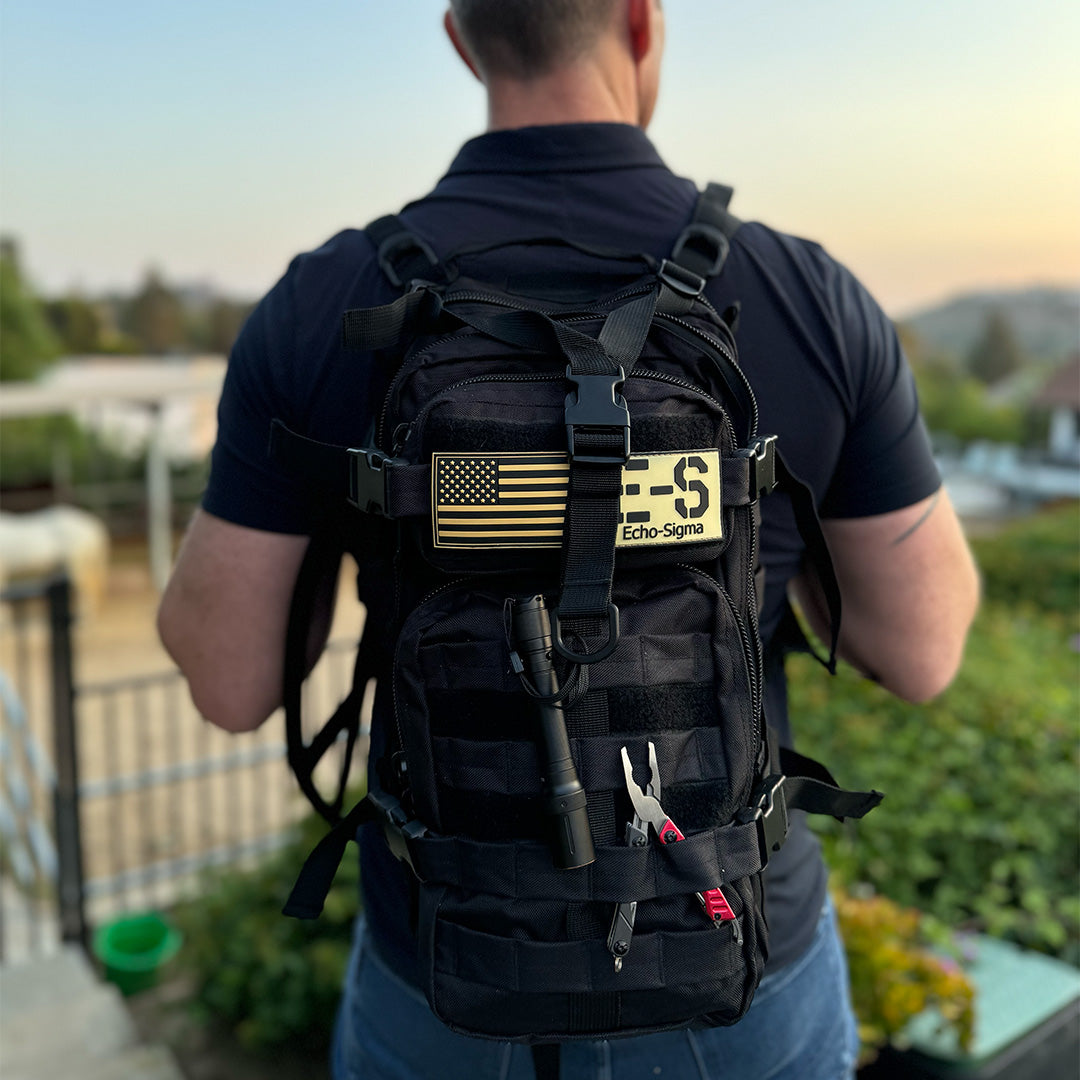
A get-home bag should not look like a tactical survival kit. A subdued-color daypack or a regular-looking backpack draws less attention in a disrupted urban environment than a military-pattern bag covered in MOLLE straps and visible gear. The ability to move without attracting attention is a genuine safety consideration in the scenarios where a GHB is needed. Black, gray, navy, and earth-tone solid-color packs are appropriate. Multicam and OD green are not.
Core Get-Home Bag Contents
Water and Hydration
Water is the heaviest necessity and the one you can’t substitute for. The baseline: 2 liters of water carried (approximately 4.4 lbs), plus a filtration or purification method for sourcing additional water along the route. Sawyer Squeeze or Sawyer Mini filters weigh 2–3 oz, filter to 0.1 micron (removes bacteria and protozoa), and attach directly to standard water bottles — the correct choice for a GHB. Water purification tablets (Aquatabs or Micropur) serve as a backup and weigh almost nothing.
Map your route for water sources before an emergency: public water fountains, streams, ponds, and commercial buildings. Urban environments typically have more sourcing options than they appear to — the limiting factor is time, not availability. Plan for 0.5 liters per hour of hard travel in moderate weather, more in heat or with physical exertion.
Food
Food for a 24-hour get-home scenario is simple: high-calorie, compact, no-cook options that you can eat while moving. The target is 1,500–2,000 calories — enough to fuel hard walking without creating a caloric debt that degrades cognitive function. Options: Clif Bars and similar energy bars (250–280 cal each, 2.4 oz), single-serve peanut butter packets (250 cal, 1.1 oz), beef jerky (100 cal per oz, long shelf life), hard candy (fast glucose, light weight). A complete 24-hour food kit for a GHB weighs under 1.5 lbs and fits in a single zip-lock bag.
Do not include items that require cooking, boiling water, or significant preparation time. The get-home scenario does not accommodate campfire cooking. Every food item in the bag should be edible immediately, without equipment.
Navigation
A printed map of your home area (download and print USGS topo quadrangles or street map of your commute corridor at no cost) plus a baseplate compass weighing 1.5 oz covers navigation completely without battery dependency. Most people dramatically overestimate how familiar their home area is — navigating 20 miles on foot through back streets and trail systems in the dark without GPS is harder than it appears. Marking your primary route and two alternates on the printed map before an emergency is a 30-minute exercise that eliminates a major vulnerability.
A backup option: GPS device with pre-loaded maps of your area. The limitation is battery life — a quality handheld GPS manages 20–30 hours on AA batteries, which is adequate for most GHB scenarios. Never depend solely on a phone GPS — phones are high-value targets in disrupted environments and batteries deplete faster under load.
First Aid
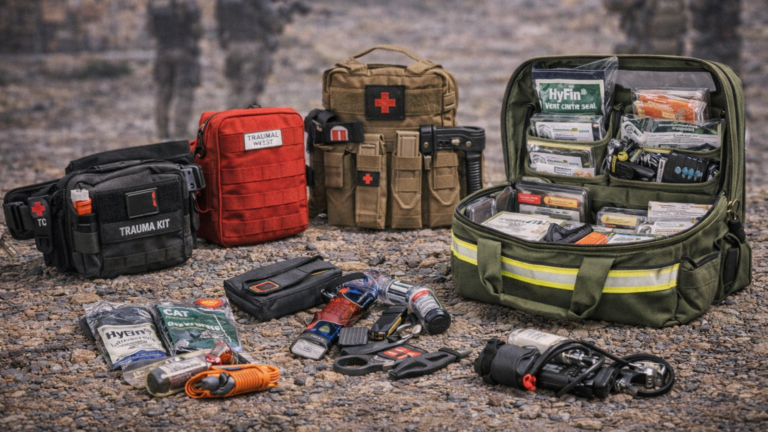
The GHB first aid kit is built for trauma and blisters — the two most likely medical events during a multi-hour foot travel emergency. The kit: one tourniquet (CAT Gen 7, 3 oz), wound closure strips, gauze roll, medical tape, blister kit (Moleskin or Leukotape P), ibuprofen or acetaminophen (for blisters, muscle pain, headache from stress), and nitrile gloves (2 pairs). This complete kit weighs under 8 oz and covers 90% of the medical scenarios you’ll encounter during a get-home event. Skip the elaborate wilderness first aid kits — the get-home scenario is not a multi-day backcountry expedition.
Light and Communication
A headlamp (90+ lumens, 3–10 hours on high, AA or AAA powered — Petzl Tactikka or Black Diamond Spot) plus a spare set of batteries. Moving at night may be necessary or strategically advantageous in some scenarios. A headlamp keeps your hands free and costs 3–4 oz. A handheld flashlight is a less practical alternative — it occupies one hand constantly.
Communication: a fully charged battery bank (10,000 mAh, 6–7 oz) that can charge your phone 2–3 times. In the early hours of most emergencies, cell service is intermittently available even when overloaded — short text messages often go through when voice calls fail. Keep family contact numbers written on paper in the bag, not only stored in the phone.
Shelter and Weather Protection
For a sub-10-mile commute, weather protection means a rain poncho (heavyweight, 4–5 oz) and a Mylar emergency blanket. For longer routes where overnight sheltering is possible, add a SOL Escape Bivy or similar ultralight emergency shelter (8–10 oz) that provides wind and water protection without requiring a tarp setup. Full tent systems are not appropriate for a GHB — they’re too heavy and too complex for a 24–48 hour travel scenario.
Tools and Miscellaneous
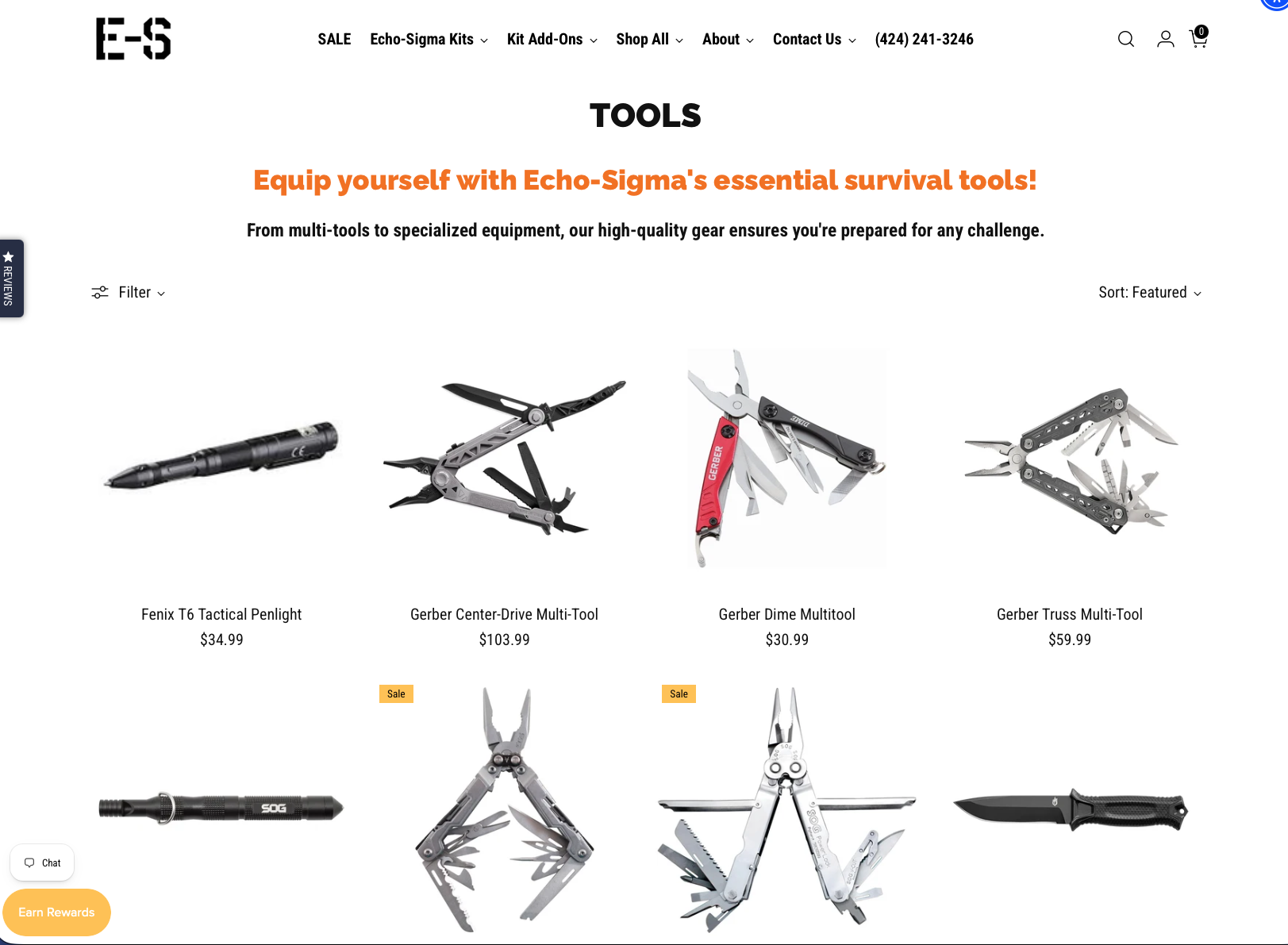
A fixed-blade knife (Morakniv Companion, 4 oz, $15) or a quality folding knife for utility tasks. A multi-tool (Leatherman Skeletool, 5 oz) covers tools you won’t anticipate needing — screwdriver, pliers, wire cutter. Paracord (25 feet, 1.6 oz) for improvised uses. Duct tape (a 3-foot section folded flat, under 1 oz) for gear repair, blister coverage, and improvised lashing. N95 masks (2, compressed flat, under 1 oz) for dust, smoke, or biological hazard conditions. Cash ($100–$200 in small bills) — in many emergency scenarios, cash transactions continue when electronic payment systems fail.
What to Leave Out
Gear That Belongs in a Bug-Out Bag, Not a GHB
The most common GHB mistake is including long-term survival gear that adds weight without serving the get-home mission: full sleeping bags (too heavy — use a bivy), camp stoves (no-cook food only), water storage containers beyond 2L (filter and refill), extensive tool collections, and more than 48 hours of food. These items are appropriate for a bug-out bag built for days of self-sufficient living, not for a 24–72 hour travel scenario with a specific destination.
Avoid redundant items that serve the same function: one navigation method (map + compass) plus one backup (GPS), not three methods. One light source plus spare batteries, not three separate lights. One knife plus a multi-tool, not four cutting tools. Every redundancy that doesn’t serve a distinct function is weight that slows you down.
Maintenance and Readiness
Seasonal Rotation
A GHB that was packed in October and sits untouched until July contains summer-inappropriate clothing, expired food, and a potentially dead battery bank. Rotate the bag seasonally: swap clothing layers for season-appropriate options, check food expiration dates, test and recharge the battery bank, verify that all batteries in lights and electronics are fresh, and re-examine the route map for any changes in your commute pattern. Seasonal rotation takes 30 minutes and ensures the bag is ready when needed rather than carrying outdated contents.
Where to Keep It
The GHB is useful only if it’s with you when an emergency occurs. The correct storage locations: in your vehicle (a locked car gets you started and the bag deploys from there), at your office desk or locker, or in a locker at any location you spend significant time. A GHB kept at home does nothing for an emergency that catches you away from home. The bag must travel with your daily commute to serve its purpose.
Frequently Asked Questions About Get-Home Bags
How heavy should a get-home bag be?
Target 15–20 lbs fully loaded. This weight is sustainable for 15–20 miles of foot travel without excessive fatigue and allows a normal walking pace without drawing attention. Above 25 lbs, pace drops significantly on extended travel, fatigue compounds over distance, and the physical cost of carrying the bag becomes a liability in a scenario where you need to move efficiently. Every item should be weighed against this constraint — if it doesn’t provide essential capability for the get-home mission, it doesn’t belong in the bag.
What’s the difference between a get-home bag and a 72-hour kit?
A 72-hour kit (emergency kit) is stored at your home or vehicle and is designed to sustain you at a shelter-in-place location for 72 hours after a disaster. A get-home bag is carried on your person or in your vehicle and is designed to enable travel from your location to your home. A 72-hour kit prioritizes comfort, food variety, and extended supplies. A GHB prioritizes mobility, light weight, and travel-specific capability. Both have a place in a complete preparedness plan, but they serve distinct scenarios and should be built and maintained separately.
How much water should a get-home bag have?
Carry 2 liters (4.4 lbs) as your baseline and plan to source and filter additional water along your route. The target consumption rate is 0.5 liters per hour of hard walking — for a 10-hour travel day, you need 5 liters. Carrying 5 liters from the start adds 11 lbs of water weight, which is impractical. The correct approach is 2 liters carried plus a Sawyer Squeeze or Mini filter (2–3 oz) to treat water from any available source along the route. Map water sources on your printed route map before an emergency so you’re not searching for them under stress.
Published by Chad Dyer, President, Brand Avalanche Media, Inc. Popular Outdoorsman is an independent editorial publication. Product recommendations reflect editorial judgment based on field experience and specifications review.


Reader Favorites
Field-to-table reference desk
From tag to table — official season dates for all 50 states, plus safe doneness temps for your harvest.
| Species | Archery | Firearm |
|---|---|---|
| Deer | Sep–Oct | Nov |
| Elk | Sep | Oct–Nov |
| Turkey | — | Apr–May |
All 50 state wildlife agencies, plus how seasons, tags and licenses work.
Find your state → Network| Doneness | Target |
|---|---|
| Rare | 125–130°F |
| Medium-rare | 130–135°F |
| Well-done | 160°F+ |
Safe pull temps for venison and steak, from Popular BBQ.
View full chart →