Cold Weather Layering Systems That Actually Work Outdoors
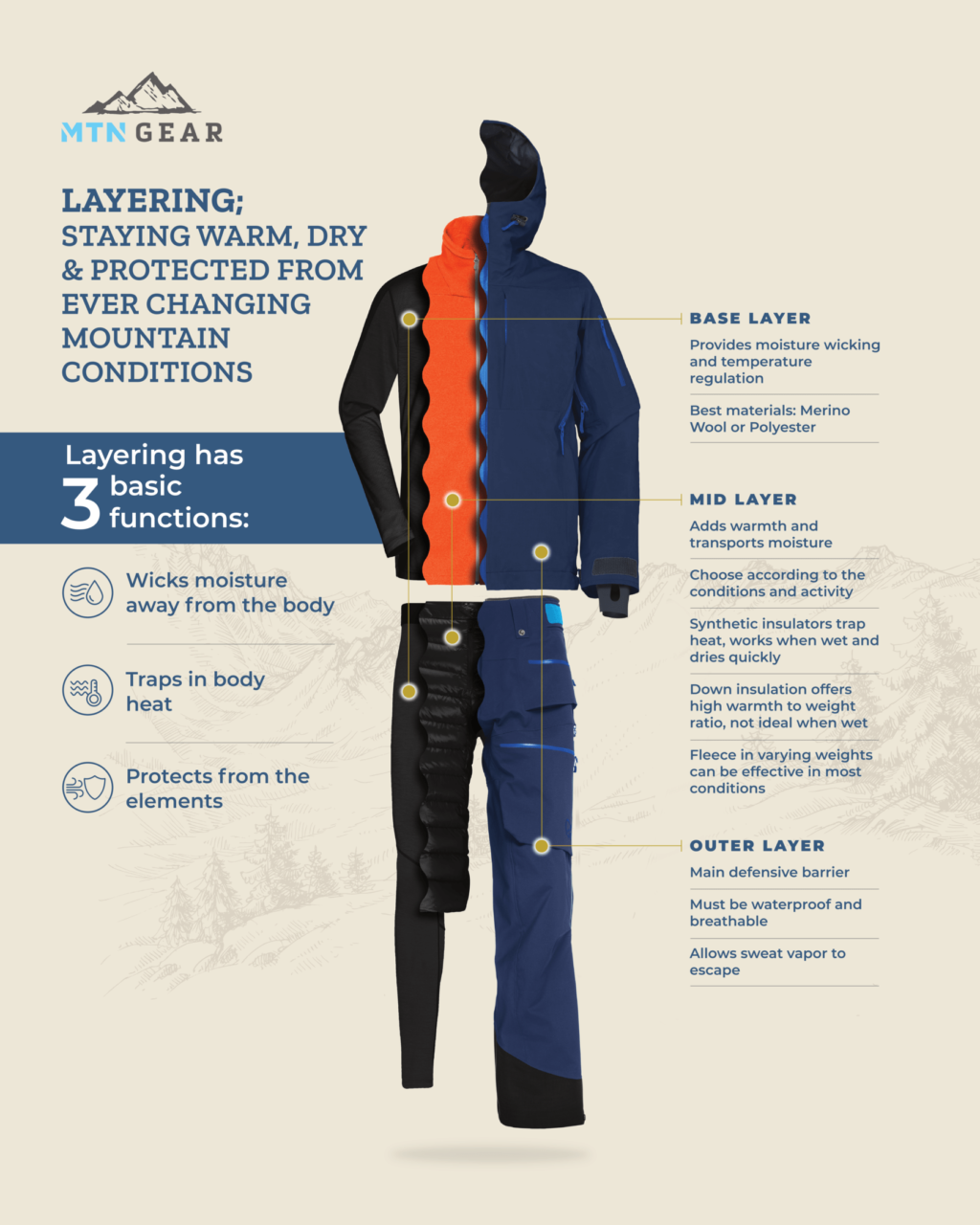
A cold weather layering system has three jobs: a base layer moves sweat off your skin, a mid layer traps warm air, and a shell blocks wind and wet.
Last updated: September 30, 2026 · Originally published September 29, 2026
Cold weather does not usually beat people because the air is cold. It beats them because they dress for the temperature they feel at the trailhead, then stay stuck in that outfit while their body heat, sweat, and the wind change by the minute. A working layering system is not a pile of jackets. It is a way to keep your skin dry, trap just enough heat, and block the weather that would steal both.
What Layering Actually Means and What It Does for You
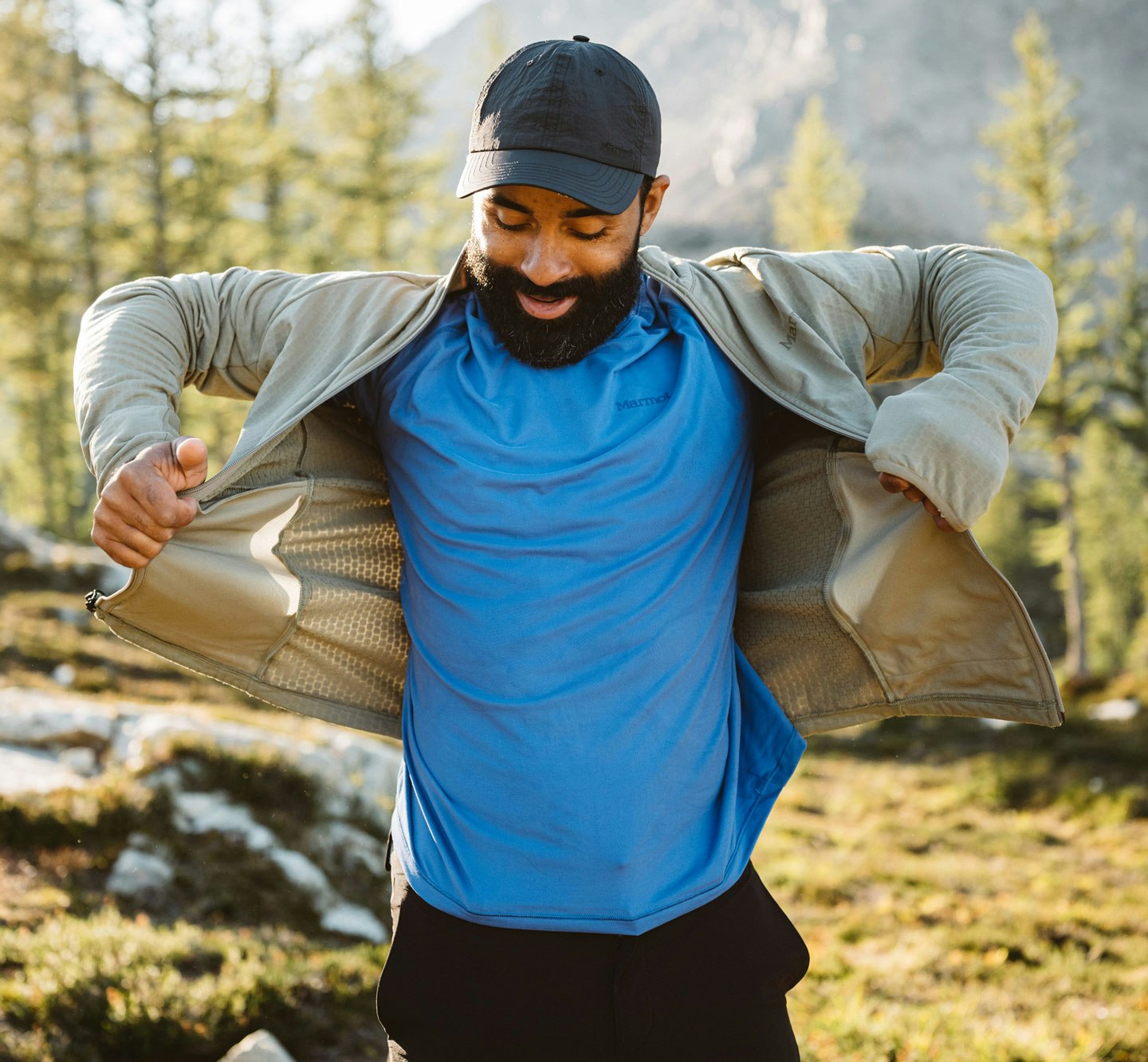
Layering means wearing several thinner pieces that each have a job, instead of one thick garment that tries to do everything. The system should move moisture away from your skin, hold warm air when you need it, and shed wind, rain, or snow when conditions turn.
Done right, layering does four things:
- It keeps you from soaking your insulation with sweat.
- It lets you dump heat before you overheat.
- It protects the warm air next to your body from wind and wet.
- It lets you stay out longer without swinging between soaked and shivering.
The goal is not maximum warmth at all times. The goal is a stable, dry microclimate around your body while you hike, hunt, ski, work, or stand still.


Cold Weather Layering Basics That Work
A layering system that works outdoors follows a few non-negotiable rules.
Dry beats thick. Wet clothing loses insulation fast. Cotton holds water and stays cold. Start with fabrics that move sweat and dry quickly: merino wool, synthetics, or blends.
Vent before you sweat. If you wait until you are dripping, you have already lost. Unzip, drop a mid layer, or open pit zips as soon as you feel heat building.
Wind is a heat thief. Still air at 20°F can feel manageable. The same air with a 20 mph wind strips warmth off exposed fabric. A windproof or weatherproof shell is often more important than another fleece.
Fit matters. Base layers should sit close to the skin. Mid layers should trap air without ballooning. Outer layers should fit over everything without binding at the shoulders, hips, or knees.
Hands, head, and feet are part of the system. A perfect torso setup fails if your gloves are soaked, your hat is missing, or your socks are cotton.
You dress for the work, not the parking lot. If you will climb, pack, or break trail, start cooler than comfort. If you will sit in a stand or wait on a ridge, you need more insulation and a better wind block.
How Cold Weather Layering Works Outdoors
Your body is a furnace. Clothing is the house around that furnace.
Heat leaves you through radiation, convection, evaporation, and conduction. Layering fights those losses in sequence.
The base layer manages evaporation. It pulls sweat off skin so cooling happens on purpose, not by accident. The mid layer manages radiation and still-air insulation. It traps warm air in fibers or baffles. The outer layer manages convection and wetness. It stops wind from flushing that warm air out and keeps rain or snow from collapsing the insulation underneath.
Outdoors, the system has to change with output. Walking uphill can produce as much heat as a light workout. Standing in a blind produces almost none. That is why static “wear this at 25 degrees” charts fail. The same person may need a shell and a light mid layer on the climb, then a heavy insulated jacket the moment they stop.
Moisture is the hidden failure point. Sweat inside a jacket becomes a wet shirt. A wet shirt against cold air becomes a chill that no extra coat can fully fix until you dry out. That is why experienced people obsess over zippers, vents, and the moment they start feeling warm.
The Three Layers in a Cold Weather Layering System
Base Layers
The base layer is the only piece that should touch your skin. Its job is moisture control and a thin bit of warmth.
Choose merino wool for odor control and a wide comfort range. Choose synthetics for faster drying and lower cost. Avoid cotton. In cold weather it becomes a wet rag.
Weight should match the day and the work:
- Lightweight for high output: hiking, snowshoeing, backcountry skiing.
- Midweight for mixed movement and stops.
- Heavyweight for low output: ice fishing, standing hunts, winter camp chores in deep cold.
Fit should be snug, not compressive to the point of restricting blood flow. Long sleeves and full-length bottoms matter more than people think, because bare forearms and calves leak heat and collect wind.
A good base layer also includes socks. Merino or synthetic socks, sized so they do not wrinkle in the boot, do more for warm feet than an extra pair of cheap cotton socks.
Mid Layers
The mid layer is your adjustable furnace. It traps warm air.
Common options:
- Grid fleece or light fleece for active days.
- Heavier fleece when you need more warmth and some breathability.
- Active insulation, such as light synthetic puffy jackets, for stop-and-go movement.
- Wool sweaters or wool shirts for durable, quiet warmth.
- Heavy down or synthetic insulated jackets for static cold.
Use one mid layer you can put on and take off easily. Two thin mids often beat one huge sweater because you can shed one and keep the other. Look for a full zipper. Pullovers are slower to vent when you start working.
The mid layer should still breathe. If it is a windproof fortress, it starts acting like an outer layer and you will overheat underneath it.
Outer Layers
The outer layer faces the weather. Its job is wind, snow, and rain, not maximum loft.
A softshell works when the air is cold and mostly dry, and you are moving. It blocks a lot of wind, sheds light snow, and breathes better than a hard shell.
A hardshell, meaning a waterproof-breathable jacket and pants, is the right call in wet snow, sleet, rain-on-snow, or strong wind. It must have pit zips or big vents. A sealed bag with no vents becomes a sweat lodge.
An insulated outer jacket is useful when you are not generating much heat: sitting, glassing, riding, waiting, or walking slowly in deep cold. It is usually a poor choice as your only moving layer on a hard climb.
Pants follow the same logic. Softshell or insulated pants for dry cold. Waterproof pants when snow is wet or you will kneel, sit, and brush against drifts all day. Gaiters help keep snow out of boots so the whole system does not fail from the ankles up.
Why Outdoor Layering Fails in Cold Conditions
Starting Overdressed
The most common mistake is leaving the truck in every layer you own. You feel fine for ten minutes. Then you climb. You sweat. You open a zipper too late. The base layer is damp. You stop on a ridge. The wind hits. Now you are cold in a way that feels sudden, even though you created it on the way up.
Start with enough clothing to be slightly cool when you begin moving. Carry the extra warmth in the pack, not on your back, until you need it.
Ignoring Wind Exposure
People dress for the thermometer and forget the wind. A fleece that feels perfect in a sheltered valley can feel useless on an open lake, ridge, or prairie. Wind finds gaps at the neck, wrists, waist, and zipper.
Fix this with a real shell, a neck gaiter or hood, glove gauntlets or long cuffs, and a hem that stays down when you bend. If your mid layer is flapping, it is not insulating. It is being ventilated by the weather.
Failing to Adjust Cold Weather Layers
Layering is not a costume you put on in the morning. It is a process.
Failing to adjust looks like this: you keep the puffy on during the climb; you leave the shell zipped when the sun comes out; you take the hat off and never put it back when you stop; you wait until your fingers are clumsy before you change gloves.
Good layering means small changes often. Zip. Unzip. Hood up. Hood down. Mid layer in the pack. Mid layer back on before the chill sets in. The people who stay comfortable are not tougher. They are earlier.
How Experienced Outdoorspeople Manage Cold Weather Layering
People who spend long days outside treat clothing like a thermostat.
They start cool and accept a minute of discomfort at the beginning of a hike. They watch for the first hint of dampness at the lower back or chest. They vent while they are still comfortable. They put insulation on during the last minutes of a climb, not after they have already stood still and started to shake.
They keep a “stop coat” in the pack: a warmer insulated jacket used only when movement ends. That coat stays dry because it is not worn during hard work.
They carry spare gloves and spare socks. Wet hands and wet feet end days faster than a missing sweater.
They protect the gaps. A hood, a beanie that fits under a helmet or cap, a neck gaiter, and gloves that work with zippers matter as much as the jacket.
They match fabric to the job. Quiet wool for hunting. Breathable fleece for big climbs. A tough shell for brush, ice spray, or wet snow. They do not expect one hero jacket to cover every hour of the day.
And they eat and drink. A layering system cannot replace calories. When the furnace slows down, no jacket fully makes up for it.
Layering Strategies for Common Outdoor Activities
Hiking and backpacking. Lightweight merino or synthetic base, breathable fleece or active insulation, packable shell. Start cool. Keep the puffy for breaks and camp. Change socks at camp before your feet stay damp overnight.
Hunting and wildlife watching. Quiet base and mid layers. Windproof outer layer that does not rustle. Extra insulation for the sit. Chemical or rechargeable hand warmers help only if the core is already managed; they will not save a soaked shirt.
Skiing and snowboarding at a resort. Moisture-wicking base, light mid, weatherproof shell. You can get away with less versatility because you can duck inside. Still vent on warm laps. A soaked base layer on a cold chairlift is miserable.
Backcountry skiing and snowshoeing. Dress as if you are exercising in winter, because you are. Thin base, highly breathable mid, shell for wind and snow. Heavy insulation stays in the pack until transitions and descents if you cool off.
Ice fishing and other stationary cold. Heavier base layers, a real insulated mid, and a windproof or waterproof outer. Warmth here is about blocking wind and staying dry while you sit. Movement is limited, so overheating is less common than getting chilled by breeze across the ice.
Winter work, ranch, or yard jobs. Durable layers that can take abrasion. A hardworking base, a mid you can peel at the truck, and a shell that blocks wind. Keep spare gloves dry. Wet leather gloves in 15°F wind will end the job.
Camping and overnight trips. Separate “moving clothes” from “camp clothes.” Never lounge in the damp layers you hiked in. A dry base layer and a dedicated camp puffy change the night.
Cold Weather Layering FAQ
How many layers should I wear in cold weather?
Three is the working model: base, mid, and outer. You can add a second mid layer in deep cold or during long stops. More than that usually means you started overdressed or you are using bulky pieces that do not vent.
Should I start a hike already warm?
No. Start slightly cool. If you are toasty in the parking lot, you will sweat within the first mile. Carry the extra jacket and put it on when you stop.
Is merino better than synthetic?
Merino handles odor better and feels less clammy for many people. Synthetics dry faster and usually cost less. Both work if they wick. Cotton does not.
Can I use a cotton hoodie as a mid layer?
Not if you expect to sweat or get snow on you. Cotton holds moisture and loses warmth when wet. Save cotton for dry, low-output time indoors or in the truck.
Do I always need a waterproof shell?
No. In dry cold and high output, a wind-resistant softshell often beats a fully waterproof jacket because it breathes better. Use a hardshell for wet snow, sleet, rain, or strong wind.
Why am I cold even with a big puffy jacket?
Usually because the layers under it are damp, the wind is leaking through gaps, or you have been standing still after working hard. Dry the base layer, block the wind, cover head and hands, and add food. A wet shirt under a puffy is still a wet shirt.
Should my base layer be tight?
Close-fitting, yes. Tourniquet-tight, no. It needs contact with skin to move sweat, but it should not cut circulation.
What about legs? People only talk about jackets.
Layer legs the same way: wicking bottoms, an insulating pant if you are standing around, and a shell pant when it is wet or windy. Bare legs in a breeze dump a lot of heat.
How do I keep my hands warm?
Start with liners you can wear while using zippers or tools. Add an insulated glove or mitt when you stop. Keep a dry spare pair. Once gloves are soaked, they will not recover in the field.
Why do my feet get cold first?
Often the socks are cotton, too thick for the boot, or already damp. Tight boots also reduce blood flow. Use merino or synthetic socks that leave a little room, keep snow out with gaiters, and change into dry socks if you stop for a long time.
Is down warmer than synthetic insulation?
Dry down is excellent warmth for the weight. Wet down loses loft. Synthetic insulation handles moisture and wet snow better. For active days with sweat risk, many people prefer light synthetic or fleece. For dry camp and long sits, down is hard to beat.
When should I put the extra jacket on?
Before you feel cold, not after. The best time is near the end of a climb or just as you stop. If you wait until you are shivering, you are playing catch-up.
What is a stop coat?
A warmer insulated jacket that lives in the pack and comes out only when you stop moving. Because you do not hike in it, it stays dry and lofted for breaks, glassing, and camp.
Can kids use the same layering system?
Yes, and they need it more because they heat up and cool down faster. Pack an extra mid layer and dry gloves. Change them sooner than you think you need to.
What is the single most useful layering habit?
Vent early. Unzip or shed a layer at the first sign of warmth. Staying dry does more for cold-weather comfort than owning a thicker coat.


Reader Favorites
Field-to-table reference desk
From tag to table — official season dates for all 50 states, plus safe doneness temps for your harvest.
| Species | Archery | Firearm |
|---|---|---|
| Deer | Sep–Oct | Nov |
| Elk | Sep | Oct–Nov |
| Turkey | — | Apr–May |
All 50 state wildlife agencies, plus how seasons, tags and licenses work.
Find your state → Network| Doneness | Target |
|---|---|
| Rare | 125–130°F |
| Medium-rare | 130–135°F |
| Well-done | 160°F+ |
Safe pull temps for venison and steak, from Popular BBQ.
View full chart →