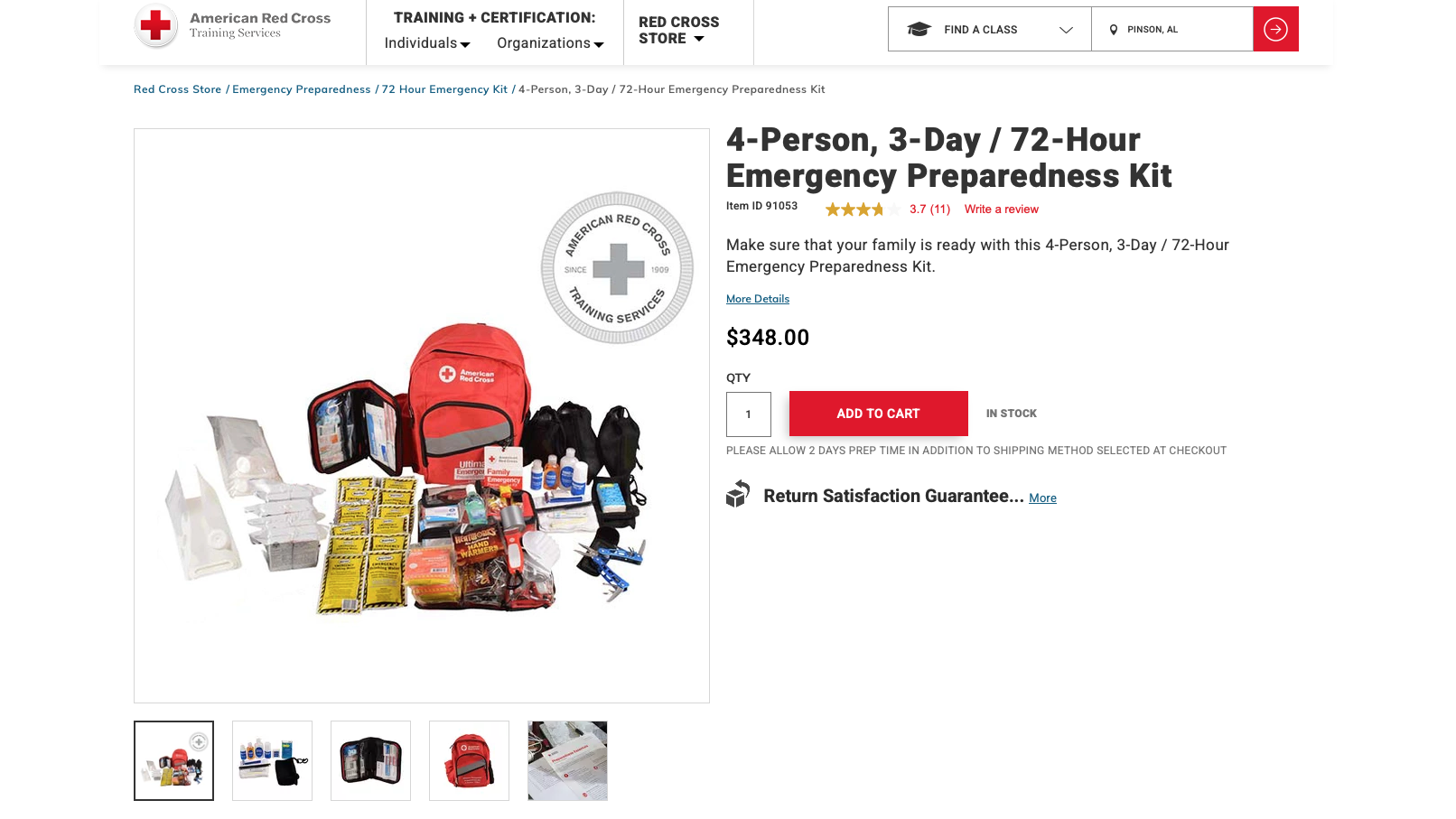
How to Build a 72-Hour Emergency Kit: A Complete Step-by-Step Guide
Last updated: October 9, 2026 · Originally published September 20, 2026
FEMA’s most consistent preparedness advice is a single 72-hour kit, and this builds one step by step from water and food outward.
FEMA’s most consistent emergency preparedness recommendation is a single specific number: 72 hours. Emergency services are typically unavailable for the first three days after a major disaster — flood, earthquake, tornado, or extended power grid failure. A 72-hour emergency kit is the buffer between those three days and the point where professional help arrives.
Most households don’t have one. Those that do often have incomplete kits assembled from online lists without understanding why each item earns its place, or what quantities are actually needed for their specific household size and medical requirements. This guide closes both gaps: it walks through every category of a complete 72-hour kit with precise quantities, item selection rationale, and storage guidance.
Build this kit once, maintain it on a clear schedule, and store it where you can grab it in 30 seconds. That’s the entire formula.
How to Calculate Your 72-Hour Needs
Before purchasing a single item, calculate your household’s specific requirements. Kit composition varies significantly based on:
- Household size: Every quantity here scales by person. A two-person household needs double the water and food of a solo kit; a family of five needs five times.
- Medical requirements: Prescription medications, insulin storage, oxygen concentrators, dialysis — medical dependencies require individual planning that a generic kit cannot cover.
- Infants and young children: Formula, diapers, and comfort items are survival-critical for households with children under 3.
- Pets: Dogs and cats require food, water, medications, and carriers that don’t fit in a standard kit — plan a separate pet emergency kit.
- Climate: A 72-hour kit in Phoenix in August needs significantly more water than the standard minimum. A kit in Minneapolis in January needs dramatically heavier insulation.
Work through the calculations here using your actual household numbers before buying anything. An undersized kit built around someone else’s household profile is not a functional emergency kit.


Water Requirements and Storage
Water is the first category to plan and the most critical to get right. The minimum FEMA standard is one gallon per person per day — a total of three gallons per person for a 72-hour kit. This covers drinking (roughly half a gallon per day at rest), basic food preparation, and minimal hygiene.
Why the Standard May Not Be Enough
The one-gallon minimum assumes sedentary conditions in a moderate climate. Several scenarios increase requirements significantly:
- Physical activity (evacuation on foot) doubles water requirements
- Heat above 90°F increases water needs by 50–90%
- Illness or fever increases water needs
- Breastfeeding mothers need an additional quart per day
- Young children in hot conditions need proportionally more water relative to body weight than adults
For a family of four in a moderate climate with no unusual factors: plan 12 gallons minimum (4 people × 3 gallons). In a hot climate or with physically active household members, plan 16–20 gallons for the same household.
Water Storage Options
- Commercial bottled water: The easiest option. FEMA-approved sealed commercial bottled water has a 2-year shelf life before official rotation guidance, though sealed bottles remain safe much longer. Store in a cool, dark location away from chemicals and petroleum products (plastic can absorb odors and compounds through container walls).
- WaterBOB bathtub reservoir: A 100-gallon food-grade bladder that fills in a standard bathtub in approximately 20 minutes when emergency is imminent. A single WaterBOB stores 33 days of water for a family of four at minimum intake — far exceeding 72-hour requirements. The bladder is single-use but costs under $35 and stores flat until needed.
- 7-gallon water containers: FEMA-approved BPA-free 7-gallon stackable water containers (Reliance Aqua-Tainer or similar) allow controlled pre-storage that doesn’t depend on advance warning. Fill, treat with two drops of unscented bleach per gallon, store sealed. Rotate every 6–12 months.
Water Purification Backup
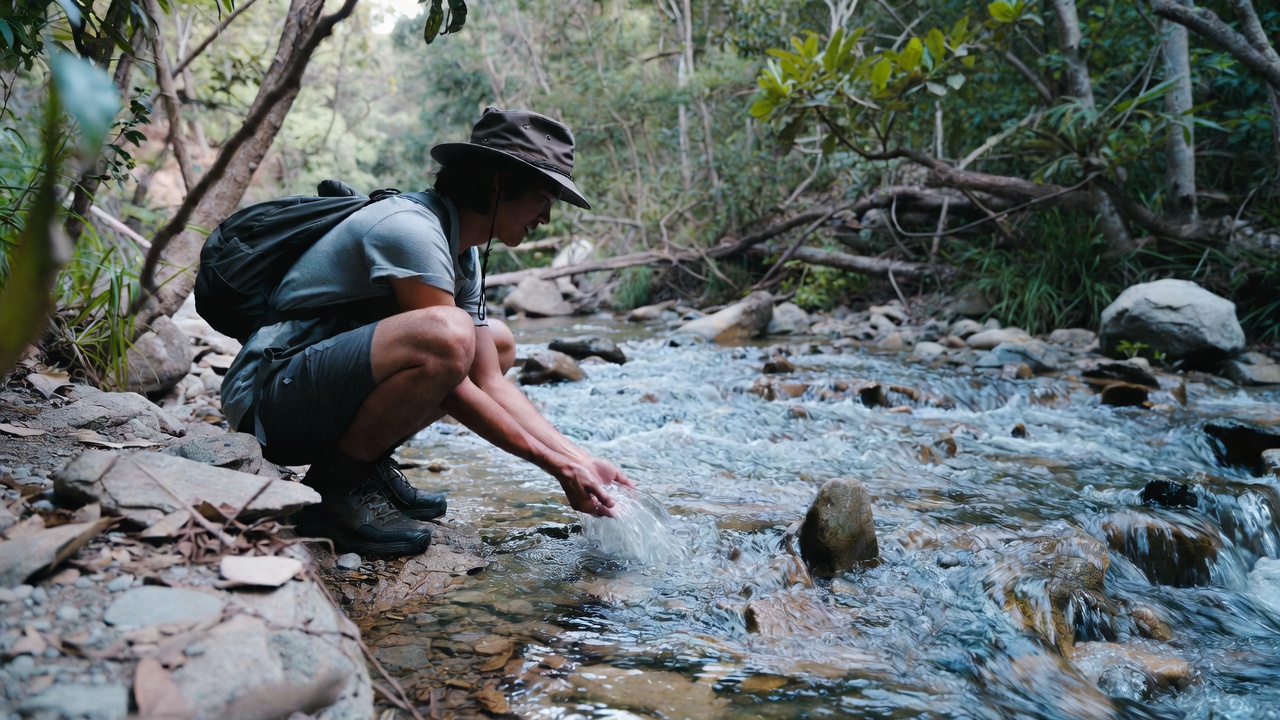
Even with stored water, include purification capability in every 72-hour kit. If your stored water is compromised, lost, or insufficient, a purification backup allows sourcing water from any available supply.
- Sawyer PointOne or Squeeze filter (removes bacteria and protozoa)
- Potable Aqua chlorine dioxide tablets (adds virus coverage; 30-tablet pack)
- Single-wall stainless steel bottle (enables boiling as a final-resort purification)
For detailed purification method comparison, see our guide to the best survival water filters.
Food Selection and Caloric Density
The caloric target for a 72-hour emergency kit is 2,000 calories per person per day — approximately 6,000 calories per person for the full kit. Physical evacuation, stress, and cold exposure increase caloric needs; adjust upward for households that may be walking or performing physical labor during an emergency.
What Makes Good Emergency Food
Emergency food selection criteria, ranked by importance:
- No preparation requirement: If you can’t heat water or cook, your food must still be edible. Ready-to-eat options that require no cooking are the most reliable emergency food category.
- Caloric density: Heavy, low-calorie food wastes pack space and doesn’t meet nutritional requirements. Target 100+ calories per oz for the most weight-efficient options.
- Shelf life: Minimum 1-year shelf life for any emergency food. Foods that require annual rotation create maintenance burden; longer shelf-life options (3–25 years) are preferable.
- Familiar to your household: An emergency is the wrong time to introduce unfamiliar foods, particularly for children and elderly family members who may already be stressed and reluctant to eat.
Recommended Emergency Food Items
- Peanut butter: 166 kcal per oz, 2-year shelf life, familiar to most households, no preparation required. One 40-oz jar provides 6,640 calories — more than a full day of calories for a family of three from a single item weighing 2.5 lbs.
- Nuts and trail mix: 160–180 kcal per oz, long shelf life, no preparation. One pound covers 2,600+ kcal.
- Crackers and shelf-stable bread: Calorie-efficient, familiar, pairs with peanut butter and canned protein for complete meals. Whole-grain crackers (Triscuits, Ryvita) hold better than saltines in temperature variation.
- Canned protein: Tuna, chicken, salmon, sardines, and beans. 80–100 kcal per oz, self-contained with pull-tab lids (no can opener required). Provides essential protein that prevents the fatigue and muscle loss associated with carbohydrate-only emergency diets.
- Dried fruit: Raisins, apricots, dates, cranberries. Compact caloric density plus natural sugars for energy. Provides vitamins missing from purely shelf-stable processed food.
- Energy bars: Clif, RX Bar, or DATREX emergency ration bars. Known calorie count per unit, compact, no preparation. Excellent for per-person daily ration planning because serving size is already measured.
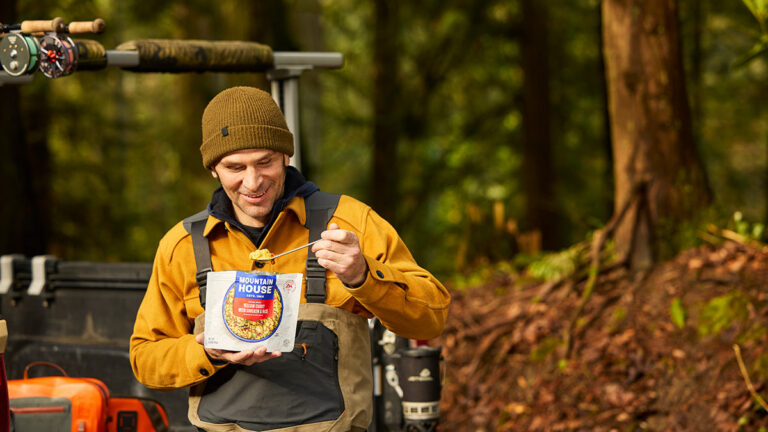
- Freeze-dried meals: Mountain House or similar. 25-year shelf life, excellent caloric density, but require hot water for preparation. Include as supplement to no-cook options rather than primary food source.
Special Dietary Requirements
Emergency kits must reflect actual household dietary requirements, not generic recommendations:
- Infant formula and baby food for households with children under 12 months
- Gluten-free alternatives for households with celiac disease
- Diabetic-appropriate foods with controlled sugar content
- Allergen-free alternatives (nut-free, dairy-free) where applicable
- High-protein options for households with specific nutritional requirements
Build the food portion of your kit around what your household actually eats and needs, not what generic emergency lists recommend. A kit with food nobody will eat is not a functional kit. For product recommendations, see our guide to best emergency food storage.
First Aid and Medical Supplies
A 72-hour emergency kit’s medical component covers two categories: trauma first aid for injuries sustained during or after a disaster, and maintenance of ongoing medical needs that cannot be interrupted for 72 hours.
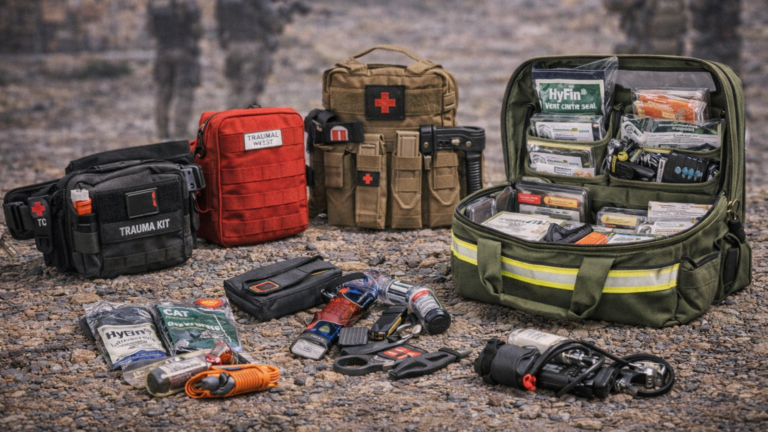
Basic First Aid Supplies
- Assorted adhesive bandages (30+ pieces in multiple sizes)
- Sterile gauze pads (4×4 inch, 10+ pieces) and medical tape (2 rolls)
- Elastic bandage (ACE wrap) for sprains and pressure dressings
- Antiseptic wipes and antibiotic ointment (Neosporin)
- Nitrile examination gloves (6+ pairs)
- Tweezers (for splinter and debris removal)
- Scissors (medical shears, not household scissors)
- CPR face shield or pocket mask
- First aid manual — wilderness or comprehensive emergency edition
Over-the-Counter Medications
- Ibuprofen (400mg tablets, 30-count) — pain, inflammation, fever
- Acetaminophen (500mg tablets, 30-count) — pain and fever alternative to ibuprofen
- Diphenhydramine (Benadryl, 25mg capsules) — allergic reactions and sleep aid
- Antacid (Tums or Maalox) — digestive issues common during stressful events
- Imodium (loperamide) — anti-diarrheal critical for preventing dehydration from GI illness
- Electrolyte packets (Liquid IV, Pedialyte powder) — rehydration support
Prescription Medications
This is the most individualized and most critical medical component of any emergency kit. For every prescription medication in your household, maintain a separate emergency supply of at least 90 days. This exceeds the 72-hour kit window to provide margin for extended disruptions and supply chain delays.
Medication storage considerations:
- Most prescription medications remain effective for 1–5 years beyond the printed expiration date when stored correctly (cool, dry, dark, below 77°F)
- Insulin requires refrigeration — include a Phase 22 or similar phase-change cooling pack for diabetic household members; room-temperature insulin degrades within 28 days of first use
- Include a written list of all medications with dosages, prescribing physician name and phone number, and pharmacy contact information
- Include a copy of each prescription for controlled substances in case of loss or theft
For comprehensive first aid kit recommendations, see our guide to the best first aid kits for 2026.
Communication and Information Tools
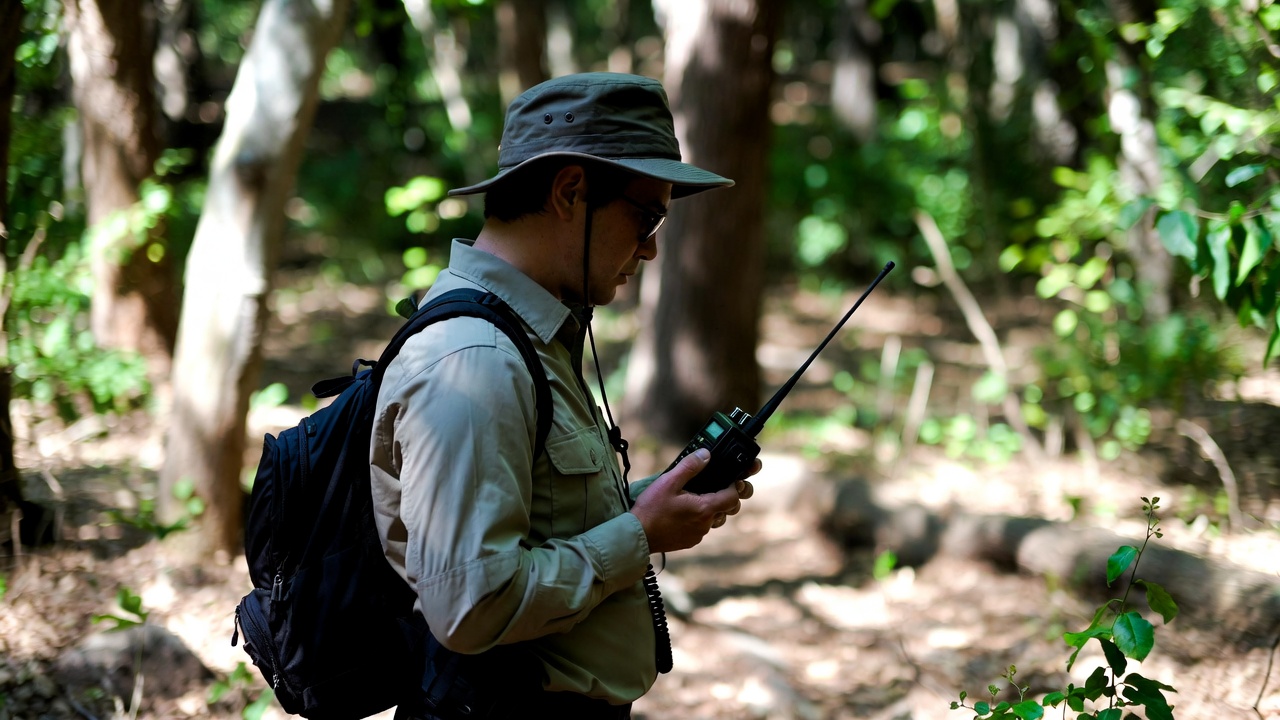
During a major emergency, standard communication infrastructure — cell towers, internet, landlines — often fails or becomes overloaded. Your 72-hour kit needs communication tools that function independently of that infrastructure.
- NOAA Weather Radio: A battery-powered or hand-crank NOAA radio receives government emergency broadcasts on all hazard channels. The Midland ER310 or similar handles solar charging, hand-crank backup, and AM/FM/NOAA bands. This is the most important communication item in any emergency kit — it works when nothing else does. For model comparisons, see our guide to the best emergency radios for 2026.
- Portable battery bank: 20,000+ mAh USB power bank for charging cell phones. Most modern phones last 24–36 hours on a single charge; a 20,000 mAh bank charges most phones 4–5 times, covering the full 72-hour window for a two-person household.
- Physical copies of critical documents: In a waterproof sealed pouch: photo ID copies, insurance cards, emergency contact list (laminated), bank account information, medical information summary, property documentation. Stored in the kit — not just in a phone that may be lost or dead.
- Local maps: Printed street and topographic maps of your home area. When GPS and cellular data are down, paper maps navigate. Know the routes from home to your designated emergency shelter, your family’s out-of-area contact’s location, and the nearest medical facility.
Power, Light, and Tools
Illumination
- Headlamp: USB-rechargeable headlamp (Black Diamond Spot or Petzl Actik Core) with spare batteries. Hands-free illumination for all tasks. Primary light source.
- Battery lantern: A battery-powered LED camping lantern provides ambient light for group spaces — better than a headlamp when multiple people are stationary. Coleman or Black Diamond camp lanterns on 3 D-batteries run 200+ hours.
- Candles with lighter: Long-burning emergency candles (Sterno Long Burning Emergency Candles or similar) provide 100+ hours of light per candle with no battery requirement. Use in ventilated spaces only.
Tools and Supplies
- Multi-tool (Leatherman Wave+ or similar)
- Duct tape (one full roll) — structural repair, weather sealing, improvised gear
- N95 dust masks (10+) — structure fire smoke, ash, or dust after earthquake or explosion
- Heavy work gloves — debris handling, structural movement
- Whistle (Fox 40 or similar) — signaling rescuers
- Wrench or pliers for shutting off gas and water main valves — critical for earthquake response
Shelter, Warmth, and Clothing
- Emergency blankets (SOL or similar): One per household member. A quality Mylar emergency bivy retains 90% of body heat, weighs 3–4 oz, and costs under $15. The minimum cold-weather survival item per person. See our guide to the best emergency blankets.
- Extra clothing: One complete change of clothing per person in weather-appropriate layers, sealed in a waterproof bag. Include sturdy closed-toe shoes — evacuation through debris requires foot protection, and most people own only the shoes they’re wearing when an emergency strikes.
- Rain gear: Lightweight rain jacket or poncho per person. Hypothermia from rain exposure is a genuine risk even in mild temperatures when combined with wind and wet clothing.
- Sleeping bag or thermal blankets: For extended shelter-in-place scenarios beyond 72 hours, one sleeping bag rated to 20°F below expected minimum temperature per person provides margin for extended emergencies.
Sanitation and Hygiene
Extended emergency scenarios create sanitation challenges that contribute to disease transmission and psychological stress. Include:
- Hand sanitizer (60%+ alcohol, 2 large bottles) — primary hand hygiene when water is limited
- Moist towelettes (50+ pack) — personal hygiene without running water
- Toilet paper (2+ rolls) in sealed plastic bag
- Portable camping toilet or heavy-duty garbage bags with toilet seat — for extended indoor scenarios when plumbing fails
- Personal hygiene items: toothbrush, toothpaste, feminine hygiene products, soap
- Bleach (small bottle, unscented) — surface disinfection and water treatment backup
Financial Preparedness
Include $500–$1,000 in cash in mixed denominations (emphasis on $1, $5, $10, $20 bills) sealed in a waterproof pouch. During extended power outages, ATMs and card readers go offline. Cash is universally accepted when digital payment infrastructure fails.
Storage, Organization, and Maintenance
Container Selection
Store your 72-hour kit in one or two dedicated containers that are clearly labeled and accessible without moving other items:
- Option 1 — Large duffel or backpack: A 60+ liter tactical duffel or backpack holds a complete kit for a small household. Backpack style allows hand-free carry if needed.
- Option 2 — Waterproof tote: A waterproof Rubbermaid or similar tote for household-size kits where portability is less critical. Keep in a ground-floor closet or garage for rapid access.
Store your kit in a location accessible within 30 seconds of deciding to evacuate — not in a basement that may be flooded or under a heavy pile of other gear. Label it clearly: “72-HOUR EMERGENCY KIT.”
Maintenance Schedule
- Every 6 months: Check water supply, test batteries, recharge power bank, verify lighters work, spot-check food dates
- Annually: Replace all food and water. Update documents (insurance cards, contact list). Rotate medications with current prescriptions. Swap seasonal clothing if needed.
Set calendar reminders for both dates — make it a routine like changing smoke detector batteries. A kit that hasn’t been maintained is not a kit you can rely on.
Frequently Asked Questions About 72-Hour Emergency Kits
How much water do I need for a 72-hour emergency kit?
Plan one gallon per person per day — three gallons minimum for 72 hours per person. Two quarts per person per day covers drinking; the remaining two quarts cover cooking and minimal hygiene. In hot climates or for physically active household members, increase to 1.5–2 gallons per person per day. For a family of four in a moderate climate, stock 12 gallons as your baseline 72-hour supply, plus water purification backup in case stored supply is compromised.
What foods are best for a 72-hour emergency kit?
Calorie-dense, shelf-stable foods that require no preparation: peanut butter, granola bars, nuts, dried fruit, canned tuna and chicken with pull-tab lids, crackers, and energy bars. Target 2,000 calories per person per day. Prioritize no-cook options over freeze-dried meals, which require hot water. Include at least one comfort food item per household member — familiar foods reduce stress in emergency conditions, particularly for children.
Should I include prescription medications in my emergency kit?
Yes — keep a 90-day emergency supply minimum for every prescription medication in your household. Store with a copy of each prescription, your doctor’s contact information, and a written list of all medications with dosages and conditions being treated. For insulin and other temperature-sensitive medications, include appropriate cold storage (phase-change cooling packs). Rotate medications with your regular prescription cycle to maintain current dates.
Published by Chad Dyer, President, Brand Avalanche Media, Inc. Popular Outdoorsman is an independent editorial publication. Product recommendations reflect editorial judgment based on field experience and specifications review.


Reader Favorites
Field-to-table reference desk
From tag to table — official season dates for all 50 states, plus safe doneness temps for your harvest.
| Species | Archery | Firearm |
|---|---|---|
| Deer | Sep–Oct | Nov |
| Elk | Sep | Oct–Nov |
| Turkey | — | Apr–May |
All 50 state wildlife agencies, plus how seasons, tags and licenses work.
Find your state → Network| Doneness | Target |
|---|---|
| Rare | 125–130°F |
| Medium-rare | 130–135°F |
| Well-done | 160°F+ |
Safe pull temps for venison and steak, from Popular BBQ.
View full chart →