First-Time Deer Hunting Guide for Beginners
Are you a first-time hunter? If you are new to deer hunting, there’s a lot you need to learn.

Last updated: November 6, 2026 · Originally published August 10, 2018
It is not wise to start hunting for a deer if you do not know the “ABCs” of first-time deer hunting. Going into the forest without any prior training is a threat to not only you, but to others as well. Trust us, you do not want to take that chance. It’s pertinent you follow the tips in this first-time deer hunting guide to have a successful first-time deer hunting experience:
Rule 1: Never Go Deer Hunting without Informing Someone First

Have you seen the movie 127 hours? If you have, you know what can happen if you do not inform anyone of your whereabouts. If you are going to hunt deer on your own, you need to inform a friend, family member, or even your neighbor. If a hunting-related fatality occurs or you get lost in the woods, you will have someone who will notice your absence and send for help.
Rule 2: Choose Your Hunting Ground

You can either go deer hunting on public land or private land. Even though other deer hunters may tell you otherwise about hunting on public land, saying that it’s a bad choice, do not cross it off your list, as it is just a myth. If the public land allows deer hunters to come and hunt for deer, you should go, unless your personal preference is private land.
Rule 3: Select Your Hunting Weapon
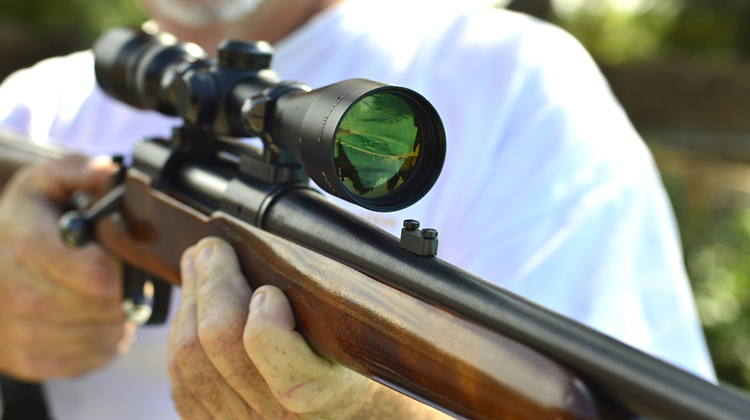
In this first-time deer hunting guide, this rule is important to follow. You should select your weapon recommended by an experienced deer hunter. If you have prior knowledge about the best deer hunting weapons to use, refer to it to select your weapon. Some hunting weapons that are highly recommended for beginners to use include:
- .270 Winchester
- .30-06 Springfield
- .30-30 Winchester
- .308 Winchester
- 7mm Remington Magnum
- Remington Model 700
- Ruger American Rifle
- Savage Trophy Hunter XP
- Weatherby Vanguard
- Winchester Model 70
Rule 4: Educate Yourself on Deer Hunting Regulations and Laws

Before you go deer hunting, you need to review the regulations and laws related to the activity. Review both the local and state laws and regulations. To find the most up-to-date information on deer hunting laws, visit your state’s website.
Note down important rules and regulations to follow as well as the repercussions of breaking one of them. For instance, your state might even require you to complete and pass a hunter safety course before you can go deer hunting.
Rule 5: Obtain Your Hunting License

You need to obtain your hunting license. If you do not have one already, you need to buy it. Along with buying your deer hunting license, you need to pay for the hunting weapon and ammo. Once you obtain the hunting license, you will receive the legal status to hunt on either private land or public land.
Rule 6: Dress Accordingly

Another important rule in this first-time deer hunting guide includes the way you dress for the activity. You need to wear and have the following items of clothes to have a safe deer hunting experience:
- Blaze orange vest and hat
- Gloves, jacket, and hat
- Tall and long rubber gloves (field dressing)
- Flashlight (tracking deer)
- Zip tie, Ziploc bag, and pen (tagging deer, depends on your state’s laws)
- High quality sharp knife (field dressing)
- Extra ammunition (just in case)
- Permits (should always be on you)
- Gun (but you knew that already)
Rule 7: Look for Signs to Scout Out Deer

You need to scout out the area for signs of deer activity. You need to learn the type of food deer eat during hunting season. The like acorns that fall from the white oak, but every year, they eat something different. Look for these signs to scout out the deer:
- Shrubs
- Clipped grasses
- Tender shoots of plants
- Rubs
- Tracks
- Deer droppings
- Wind direction
Rule 8: Take a Deer Hunting Survival Kit

A deer hunting survival kit is a must-have for first-time hunters. This first-time deer hunting guide would be incomplete without this rule, as it can save your life. The deer hunting survival kit needs to include:
- Tweezers
- Safety pins
- Pain killers
- Antibiotic gel or cream
- Water tablets
- Painter’s cloth
- Light sticks
- Cloth strips to make bandages
- Athletic tape for blisters
- Band aids of different sizes
- Fire starter
- Poncho
- Medical gloves
- Emergency blanket
- Paracord
Follow all these rules mentioned in the first-time deer hunting guide to have a fun, enjoyable, and exciting first-time deer hunting experience.
Website or phone call and no check-in rule tied for the top answer, just ahead of a phone app and an in-person check station.
Reader Favorites
Field-to-table reference desk
From tag to table — official season dates for all 50 states, plus safe doneness temps for your harvest.
| Species | Archery | Firearm |
|---|---|---|
| Deer | Sep–Oct | Nov |
| Elk | Sep | Oct–Nov |
| Turkey | — | Apr–May |
All 50 state wildlife agencies, plus how seasons, tags and licenses work.
Find your state → Network| Doneness | Target |
|---|---|
| Rare | 125–130°F |
| Medium-rare | 130–135°F |
| Well-done | 160°F+ |
Safe pull temps for venison and steak, from Popular BBQ.
View full chart →