Adventure
Elk Calling Tips: Essential Guide for First-Time Hunters
Elk Calling Tips: Essential Guide for First-Time Hunters
Mastering these elk calling tips is crucial for first-time hunters aiming to succeed during the thrilling elk rut. Elk hunting demands skill, patience, and a deep understanding of the animal, and effective calling can turn a quiet hunt into a heart-pounding encounter. Calls like cow mews and bull bugles attract curious or aggressive elk, offering a strategic edge. This guide provides essential elk calling tips for beginners, drawing from expert insights and real-world experiences to help you excel in the backcountry.
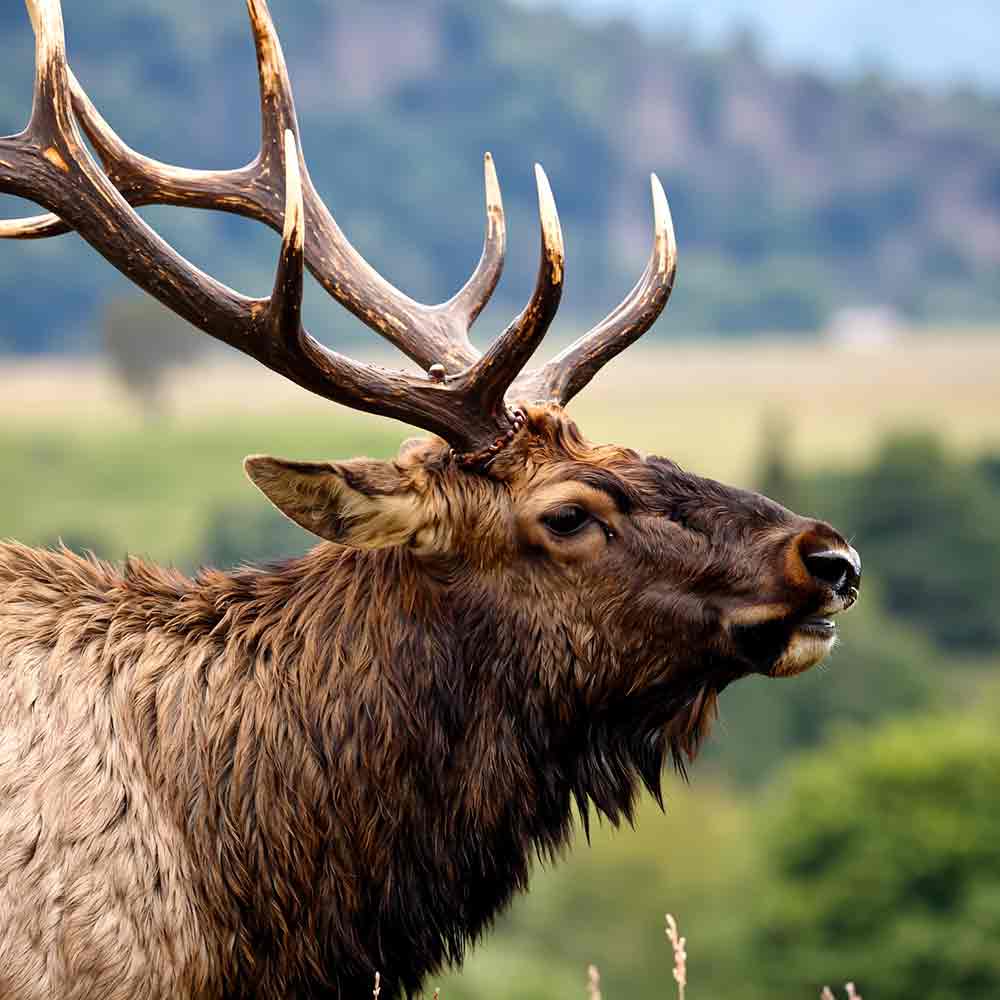
Bull elk responds to elk call tips.
Why Elk Calling Tips Are Essential
During the elk rut, typically from September to October, bulls become vocal and territorial, responding to cow calls or challenging bugles from rival males. Using elk calling tips effectively can lure a bull within range or locate a herd. However, calling requires practice and finesse—poor technique or overcalling can spook elk, while realistic calls can trigger dramatic responses. Below, we outline three key elk calling tips to help beginners succeed.
1. Start with Simple Cow Calls
For beginners, cow calls—such as mews and chirps—are the easiest way to lure elk. These soft, melodic sounds mimic female elk, signaling to bulls that a potential mate is nearby. Cow calls are versatile, helping you locate herds or attract bulls without the complexity of bugling.
- Learn the Basics: Focus on mastering a diaphragm call or external reed call for cow mews. These tools are affordable and portable, ideal for beginners. Practice short, nasal “mew” sounds and higher-pitched chirps to mimic a cow elk’s natural vocalizations.
- Use Sparingly: A common rookie mistake is overcalling, which can alert elk to your presence. Start with a few soft calls, wait 5-10 minutes, and listen for responses like bugles or rustling in the brush.
- Resources: Check out Rocky Mountain Elk Foundation’s Calling Tips for detailed tutorials on cow calling techniques.
Pro Tip: Practice cow calls at home using instructional videos from Elk101.com.
2. Practice Realism for Authentic Elk Calling Tips
Elk are highly perceptive, and unnatural calls can make them wary or cause them to flee. To apply elk calling tips effectively, mimic the pitch, cadence, and emotion of real elk vocalizations.
- Study Real Elk Sounds: Listen to recordings of wild elk on Elk101’s YouTube channel to understand their vocal range, from soft cow mews to aggressive bull bugles.
- Mimic Cadence and Tone: Practice varying your calls to reflect different scenarios, such as a cow looking for her herd or a bull challenging a rival. Avoid monotonous or overly loud calls, which can sound unnatural.
- Avoid Overcalling: Hunters often warn that over-aggressive calling can intimidate smaller bulls or alert dominant ones. Use a “less is more” approach, especially in heavily hunted areas.
Pro Tip: Record your practice sessions and compare them to professional recordings from Phelps Game Calls.
3. Partner Up for Strategic Elk Calling Tips
Hunting with a partner enhances your success by simulating the movement of an elk herd, drawing bulls closer. This teamwork approach is highly effective during the rut when bulls seek mates or rivals.
- Setup Strategy: Position the shooter 30-50 yards ahead of the caller, ideally downwind, to intercept approaching elk. The caller mimics cow or bull sounds, creating the illusion of a moving herd.
- Coordinate Timing: Agree on a calling sequence beforehand to avoid confusion. For example, start with soft cow mews, escalating to bugles if no response is heard.
- Stay Silent When Needed: Once a bull responds, reduce or stop calling to avoid pinpointing your location. Let the bull’s curiosity bring him into range.
Pro Tip: Hunters sometimes share stories of bulls charging toward well-executed partner calls and caution that both partners must stay alert to avoid being caught off-guard by an aggressive bull.
Additional Elk Calling Tips for Success
For best results, consider these pointers:
- Invest in Quality Calls: Start with beginner-friendly options like the Primos Hoochie Mama for cow calls or a basic diaphragm call.
- Practice Year-Round: Calling is a perishable skill. Practice regularly to maintain muscle memory, especially with diaphragm calls.
- Learn from the Community: Engage on social media, like X with hashtags like #ElkHunting or #HuntingTips, for more insights.
Conclusion
Mastering these elk calling tips is a game-changer for first-time hunters, offering a direct line to the elusive elk. By starting with simple cow calls, practicing realistic vocalizations, and leveraging teamwork, you can boost your chances of a successful hunt. Pair these elk calling tips with patience and respect for the wilderness for an unforgettable experience. Explore Rocky Mountain Elk Foundation or Elk101.com for more resources and connect with the hunting community.
Happy hunting, and may your calls echo through the mountains!