Compact Emergency Kits for Outdoor Preparedness
Compact emergency kits are one of the most overlooked pieces of outdoor gear people carry—or forget to carry—until something goes sideways.
Originally published: December 15, 2025
Most outdoor problems don’t start as disasters. Instead, they start as small inconveniences that snowball when basic supplies aren’t close at hand. A twisted ankle, sudden weather shift, or an unexpected delay can turn a simple outing into a rough, avoidable grind.
This guide breaks down what actually belongs in a compact emergency kit for outdoor use, focusing on real-world carry tradeoffs instead of fantasy survival loads.
Why compact emergency kits matter outdoors
The outdoors punishes “I’ll be fine” thinking. However, the solution isn’t hauling a giant bag everywhere—it’s carrying a small kit you’ll actually keep with you.
That’s why compact emergency kits work: they fit in a daypack, hunting pack, or vehicle console without becoming a chore. In practice, consistency beats perfection.
If you want a quick browse of related preparedness angles on-site, PopularOutdoorsman’s Survival Kit section is a good starting point.


What problems these kits realistically solve
A compact kit isn’t meant to replace a full trauma bag or expedition setup. Instead, it covers common “this got annoying fast” moments that happen on normal trips.
- Minor cuts, hotspots, blisters, and small sprains
- Unexpected cold, wind, or rain
- Navigation or visibility issues after daylight changes
- Delays that stretch a short trip longer than planned
As a baseline, many outdoor preparedness lists revolve around the “Ten Essentials” concept used by parks and safety orgs. The National Park Service overview is a useful reference point: Ten Essentials (NPS).
Choosing kit items with real outdoor carry tradeoffs
Every item earns its place by solving more than one problem. Otherwise, it tends to get left behind “just this once,” and then the habit sticks.
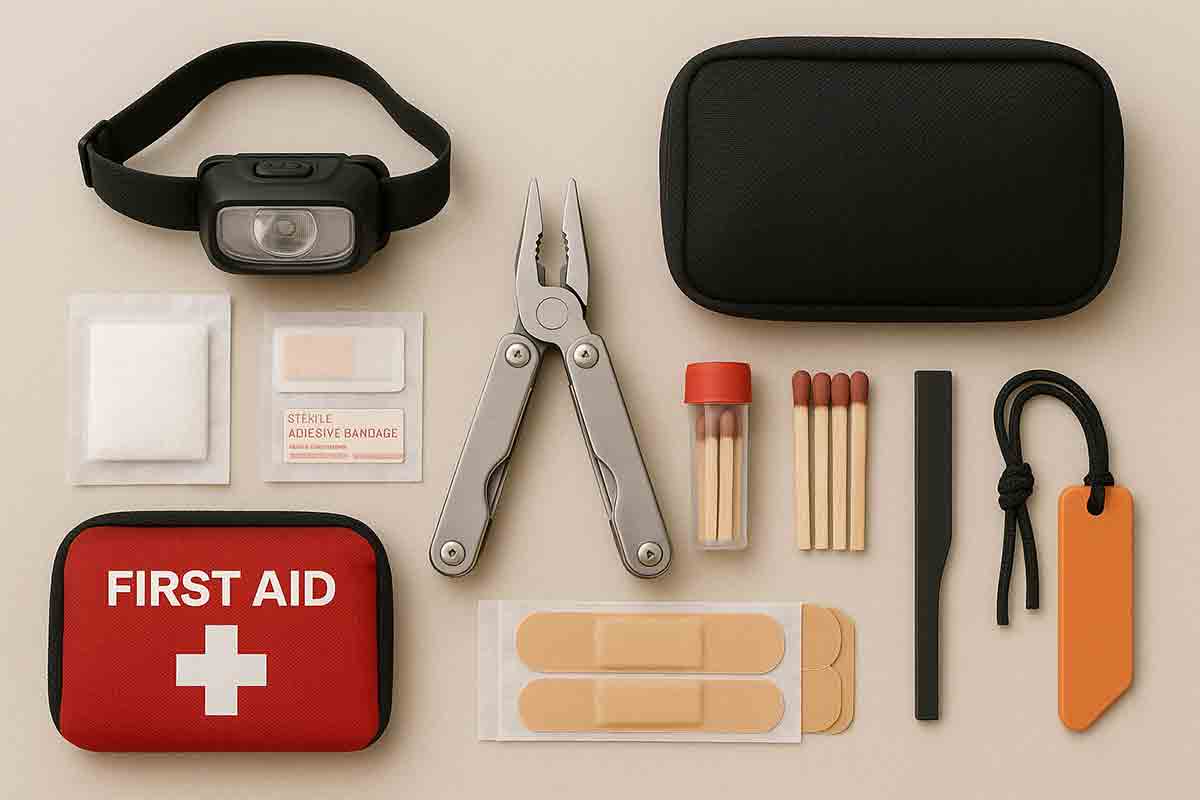
For example, a compact headlamp can solve illumination, navigation support, and signaling. Likewise, a small fire-starting method can help with warmth, morale, and emergency visibility.
For a reality-check mindset on avoiding bulky “prepper theater,” this GunsAmerica piece frames the idea of prioritizing practical get-home essentials: Forget Bug-Out Bags, You Need a Get-Home Pack!.
Weather exposure is the most common surprise
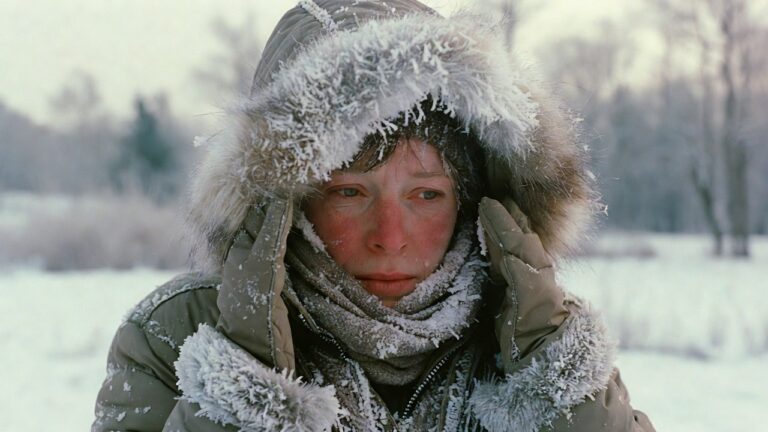
In most cases, exposure is the problem people underestimate. You can “tough it out” right up until you can’t. So, your compact kit should plan for wind, wet clothing, and temperature drops.
Cold risk is also more common than people admit, especially when someone gets wet or has to stop moving. For prevention basics, the CDC guidance is clear and practical: Preventing Hypothermia (CDC).
Where to store the kit so it stays usable
Placement matters as much as contents. If the kit is buried at the bottom of a pack, you’ll delay using it. Instead, keep it accessible: top pack pocket, outer pouch, or a consistent console spot in your vehicle.
If you want more gear-category browsing on-site, PopularOutdoorsman’s Survival Gear archive is a clean internal hub for related posts.
Frequently asked questions about compact emergency kits
How small can an emergency kit realistically be?
Small enough to stay with you. If it rides comfortably in a daypack or vehicle compartment, it’s small enough to be useful when timing matters.
Are compact kits worth it for short trips?
Yes. Short trips create most “emergency” moments because people under-prepare, push daylight, and assume everything will go perfectly.
Should a kit change by season?
It should. In colder months, prioritize insulation and moisture management. In hotter months, emphasize hydration and sun exposure planning.
Is it better to build or buy a kit?
Prebuilt kits save time, but a DIY kit usually matches your environment better. Either way, choose items you understand and will actually carry.
How often should the kit be checked?
Every few months. Batteries, meds, and adhesives degrade. A quick review prevents the “dead light, useless kit” moment.
Summary: preparedness that stays practical
Compact emergency kits work because they respect reality. They focus on common outdoor problems, stay light enough to carry, and help you respond faster when small issues try to become big ones.
Want more practical outdoor readiness like this? Join the PopularOutdoorsman newsletter and get field-friendly gear guidance that doesn’t waste your time.

Reader Favorites
Field-to-table reference desk
From tag to table — official season dates for all 50 states, plus safe doneness temps for your harvest.
| Species | Archery | Firearm |
|---|---|---|
| Deer | Sep–Oct | Nov |
| Elk | Sep | Oct–Nov |
| Turkey | — | Apr–May |
All 50 state wildlife agencies, plus how seasons, tags and licenses work.
Find your state → Network| Doneness | Target |
|---|---|
| Rare | 125–130°F |
| Medium-rare | 130–135°F |
| Well-done | 160°F+ |
Safe pull temps for venison and steak, from Popular BBQ.
View full chart →