How to Preserve Meat Without Refrigeration: Salt, Smoke, and Dry Curing
Last updated: October 6, 2026 · Originally published September 28, 2026
Every culture solved meat preservation before refrigeration existed, and salt curing, smoking and drying still work exactly as they did.
Before refrigeration, every culture on earth had solved the problem of preserving meat without it. Salt curing, smoking, air drying, and fermentation are not primitive workarounds — they are precise, well-understood techniques that have produced shelf-stable meat for months and years under the right conditions. Understanding these methods is both practical emergency preparedness and foundational food knowledge for anyone hunting, farming, or planning for extended grid-down scenarios.
This guide covers how to preserve meat without refrigeration across four methods: salt curing, smoking, air drying, and combination curing. It explains the ratios, temperatures, timelines, and storage conditions for each method, and the signs that tell you when preservation has succeeded or failed. For a complete food preparedness foundation, pair this with the best emergency food storage guide and the 72-hour emergency kit guide.
Why Preservation Works: The Science
Water Activity and Bacterial Growth
Meat spoils because bacteria require water to grow and reproduce. Fresh meat has a water activity (Aw) of approximately 0.98 — nearly saturated, an ideal bacterial growth environment. Preservation methods work by reducing water activity below the threshold where pathogenic bacteria can grow. Staphylococcus aureus stops growing below Aw 0.86; most spoilage bacteria require Aw above 0.91; Clostridium botulinum (the organism producing botulinum toxin) requires Aw above 0.94.
Salt achieves water activity reduction through osmosis — salt draws water out of the meat while creating an inhospitable ionic environment for bacteria. Drying achieves it by physically removing water through evaporation. Smoking achieves it through a combination of surface drying and antimicrobial compounds in smoke. Each method targets the same biological mechanism through different means.
The Role of Nitrates and Nitrites
Commercial cured meats use sodium nitrate (NO₃) or sodium nitrite (NO₂) — commonly sold as “pink salt,” Prague Powder, or Instacure. Nitrites are specifically effective against Clostridium botulinum at the concentrations used in curing, providing a safety margin that salt alone doesn’t guarantee in thick cuts or anaerobic environments. Traditional cures used saltpeter (potassium nitrate) for the same purpose.
For home curing of whole muscle meats held at cool temperatures with low moisture, salt alone is effective and historically validated. For cured meats stored at warm temperatures, in thicker cuts (over 2 inches), or in conditions where you can’t monitor temperature, Prague Powder #1 (for short cures, 6.25% sodium nitrite) or Prague Powder #2 (for long cures, nitrate + nitrite blend) provides meaningful additional protection. Pink salt is not optional for sausage-making using ground meat or for any product that will be warm-smoked.


Salt Curing
Dry Curing: Process and Ratios
Dry curing is the direct application of salt — with or without sugar, spices, and nitrates — to the meat surface. The salt penetrates the meat through osmosis over days to weeks, creating a stable, low-water-activity environment that inhibits bacterial growth throughout the cut.
The standard dry cure ratio: 2–3% salt by meat weight for equilibrium curing (the safest and most consistent modern method). Equilibrium curing uses exactly the percentage of salt needed to cure the meat rather than packing it in salt — the result is precisely controlled saltiness and consistent cure penetration. For a 2 lb (900g) piece of pork belly, an equilibrium cure uses 18–27g of salt (approximately 1–1.5 tablespoons of kosher salt).
Traditional dry cure ratios are higher — 5–8% of meat weight — applied as a rub and repeated over the curing period. This produces saltier, longer-shelf-life products appropriate for uncontrolled temperature storage. At 5–8% salt, the exterior of the meat becomes inhospitable to bacteria within hours; full cure penetration to the center takes approximately 1 day per 1/4 inch of thickness at refrigerator temperatures, or 2–3 days per 1/4 inch at cool cellar temperatures (50–60°F).
Wet Curing (Brining)
Wet curing submerges meat in a salt solution (brine) typically ranging from 5–10% salt by weight of water. A 5% brine is 50g salt per 1 liter of water — mild and suited for thin cuts cured over 24–48 hours. A 10% brine works faster on the surface but requires longer time for full center penetration in thick cuts.
Wet curing is faster than dry curing for even salt distribution and works well for poultry, fish, and thin cuts of red meat. The limitation for preservation (as opposed to flavor): wet-cured meat retains more moisture than dry-cured and requires subsequent drying or smoking to achieve true shelf stability without refrigeration. A wet-cured product that is not dried or smoked will spoil without refrigeration in days rather than last weeks.
Storage After Salt Curing
Properly dry-cured whole muscle meat stored at 50–60°F with good air circulation lasts 1–3 months. At temperatures above 70°F, salt alone is insufficient without additional drying or smoking. Traditional preservation in warm climates combined salt curing with smoking and air drying for precisely this reason — each method compensates for the limitations of the others.
Smoking
Cold Smoking (65–90°F)
Cold smoking applies smoke at temperatures that don’t cook the meat — typically 65–90°F. At these temperatures, the antimicrobial compounds in wood smoke (phenols, aldehydes, organic acids) penetrate the meat surface and create a preservative coating while the meat simultaneously dries. Cold smoking alone takes 1–4 weeks to achieve meaningful preservation depending on the humidity and thickness of the product.
Cold smoking is combined with salt curing in traditional preservation: salt the meat first for 5–7 days, then cold smoke for 1–3 weeks. The combination is the method behind traditional smoked hams, European charcuterie, and Indigenous pemmican variants that achieved multi-month shelf life without refrigeration.
The critical safety requirement for cold smoking: the ambient temperature during smoking must stay below 40°F or above 140°F — the USDA danger zone where bacterial growth is fastest. Cold smoking in a facility where temperature fluctuates into the 40–140°F range without adequate salt curing is the most common cause of cold-smoked product spoilage and foodborne illness.
Hot Smoking (200–225°F)
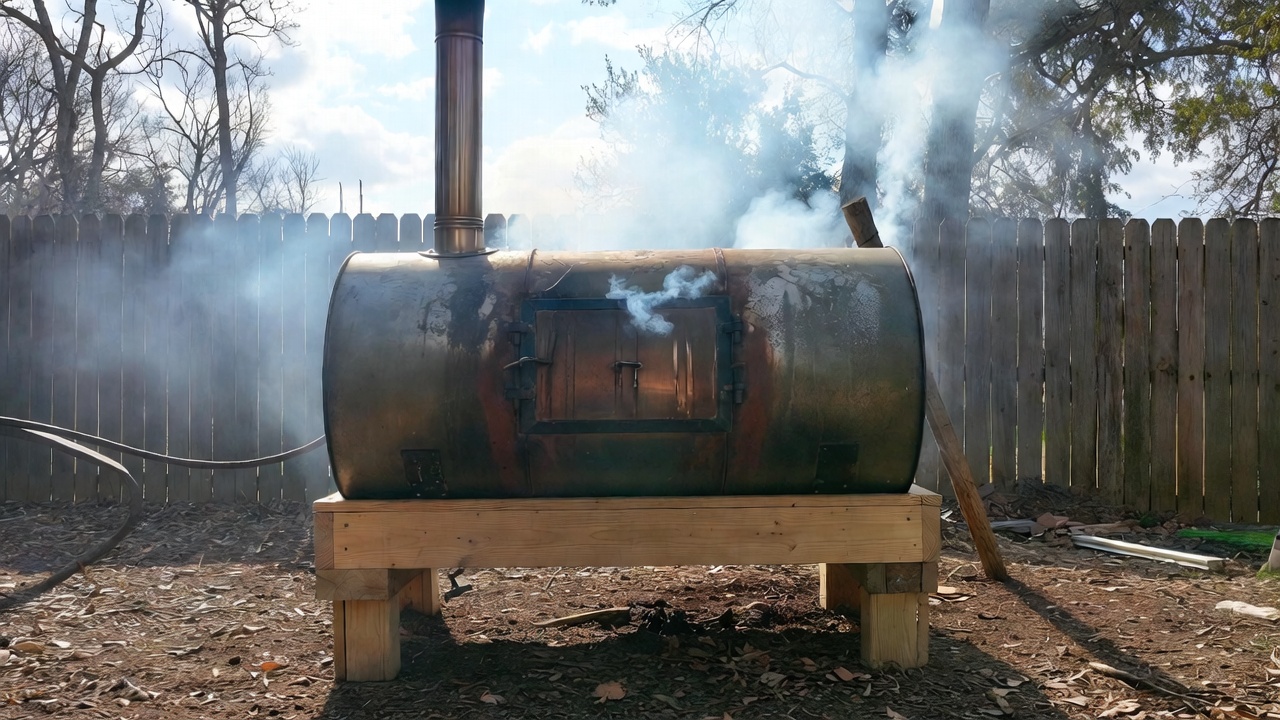
Hot smoking cooks meat while infusing it with smoke flavor — a process that typically takes 4–16 hours depending on the cut and target internal temperature. Hot-smoked meat is fully cooked (internal temperature reaching 145°F for whole muscle, 165°F for poultry, 160°F for ground meat) and surface-dried during the process.
Hot-smoked meat is safe to eat immediately but does not achieve the months-long shelf life of cold-smoked and cured products without additional drying. Hot-smoked fish jerky, biltong-style beef, and hot-smoked game birds achieve 2–4 weeks of shelf life at cool temperatures when fully dried during the smoking process (internal moisture reduced to 25% or less). Hot-smoked products not dried to jerky-level dryness should be treated as cooked food — safe for days at room temperature, weeks refrigerated.
Wood Selection for Smoking
Hardwoods produce the most effective smoke for preservation and the best flavor: hickory (strong, classic American BBQ character), apple and cherry (mild, sweet, good for poultry and fish), oak (moderate, versatile, the workhorse of European charcuterie), mesquite (strong, best for beef). Avoid softwoods (pine, cedar, spruce) — their resin produces acrid smoke with elevated levels of potentially harmful compounds. Use dry, seasoned wood; green wood produces excessive moisture and incomplete combustion.
Air Drying and Jerky
Making Jerky: The Drying Process
Jerky achieves shelf stability by removing enough moisture that bacterial growth is impossible — typically reducing meat to 25–35% of its original weight. The process: slice meat 1/4 inch thick against the grain (or with the grain for chewier texture), marinate in a salt-based brine or dry rub for 4–24 hours, then dry at 160–170°F until fully dried with no moisture remaining in the center when bent.
Traditional field jerky used sun-drying over 2–5 days in hot, dry, windy conditions. Modern jerky uses a dehydrator (130–160°F for 4–8 hours) or an oven on its lowest setting with the door slightly open. The critical endpoint: jerky should crack but not break when bent sharply. Jerky that bends without cracking retains too much moisture and will mold within days rather than weeks.
Biltong: The South African Drying Method
Biltong is air-dried cured beef from southern Africa — a method that produces a shelf-stable product without heat. The process: cut beef into strips 1–1.5 inches thick, rub with salt (2–3% by weight) and vinegar, add coriander and black pepper, then hang in a cool (60–70°F), ventilated space for 5–14 days. The vinegar lowers surface pH, creating an additional barrier against pathogens during the early drying phase. Biltong dried to the hard stage lasts 1–2 months at room temperature and is nutritionally dense.
Testing for Spoilage
Signs That Preservation Has Failed
Properly preserved meat has a dry, firm texture, a salt or smoke-forward smell, and no visible mold (for jerky and dried products) or controlled white mold only (for cured products like certain aged hams where white surface mold is expected and safe). Signs of failed preservation:
Green, black, or fuzzy mold on jerky or smoked products indicates spoilage — discard the entire product. Soft or wet texture in a product that should be hard indicates incomplete drying or moisture infiltration — do not consume. Off-odors (sour, putrid, or ammonia-like) indicate bacterial spoilage — discard. Sliminess on the surface of cured meat indicates active bacterial growth — discard.
White crystalline deposits on cured and dried meat are normal — salt crystals forming on the surface as moisture evaporates. These are not spoilage indicators. A slight white surface bloom on whole-muscle cured products held in cool, humid conditions may be harmless salt or safe mold; wipe with a cloth dampened with wine or vinegar to assess — if it wipes off cleanly and the underlying surface looks normal, the product is acceptable.
Frequently Asked Questions About Preserving Meat Without Refrigeration
What’s the salt-to-meat ratio for preserving meat?
For equilibrium dry curing (the most controlled modern method), use 2–3% of meat weight in salt. For a 2 lb piece, this is 18–27 grams (roughly 1–1.5 tablespoons of kosher salt). For traditional preservation designed to last without refrigeration in warm conditions, use 5–8% of meat weight in salt — approximately 1 tablespoon per pound. At 5–8%, the cure is saltier but more shelf-stable without supplemental drying or smoking. Apply the cure, rub thoroughly into all surfaces, and store at cool temperatures (50–60°F) for 1 day per 1/4 inch of thickness, turning daily. Add Prague Powder #1 at 0.25% of meat weight if you cannot maintain cool temperatures throughout the cure.
How long does smoked meat last without refrigeration?
This depends on the combination of methods used and storage conditions. Hot-smoked meat not fully dried lasts 2–7 days at room temperature — treat it as cooked food. Hot-smoked jerky dried to 25–35% of original weight lasts 2–4 weeks at room temperature, 2–3 months in cool conditions. Cold-smoked and salt-cured whole muscle meat (traditional ham, smoked sausage) lasts 1–3 months in cool, dry conditions. Vacuum-sealing extends shelf life significantly — remove oxygen and add 6–12 months to any properly cured product. Always test for spoilage signs before consuming any preserved product near or past its expected shelf life.
What temperature should smoking meat reach?
Cold smoking operates at 65–90°F and does not cook the meat — it preserves through smoke antimicrobials and drying. Full preservation via cold smoking alone requires 1–4 weeks and should always follow salt curing. Hot smoking operates at 200–225°F and fully cooks meat: whole muscle cuts should reach 145°F internal temperature, poultry 165°F, ground meat 160°F. For hot-smoked jerky, the USDA recommends pre-heating strips to 160°F before dehydrating, or dehydrating at 160°F throughout — ensure the meat reaches this temperature at the center of the strip, not just the surface.
Published by Chad Dyer, President, Brand Avalanche Media, Inc. Popular Outdoorsman is an independent editorial publication. This guide provides educational information. Follow USDA food safety guidelines for all meat preservation practices.


Reader Favorites
Field-to-table reference desk
From tag to table — official season dates for all 50 states, plus safe doneness temps for your harvest.
| Species | Archery | Firearm |
|---|---|---|
| Deer | Sep–Oct | Nov |
| Elk | Sep | Oct–Nov |
| Turkey | — | Apr–May |
All 50 state wildlife agencies, plus how seasons, tags and licenses work.
Find your state → Network| Doneness | Target |
|---|---|
| Rare | 125–130°F |
| Medium-rare | 130–135°F |
| Well-done | 160°F+ |
Safe pull temps for venison and steak, from Popular BBQ.
View full chart →