8 Tips For a Safe Spring Turkey Hunt
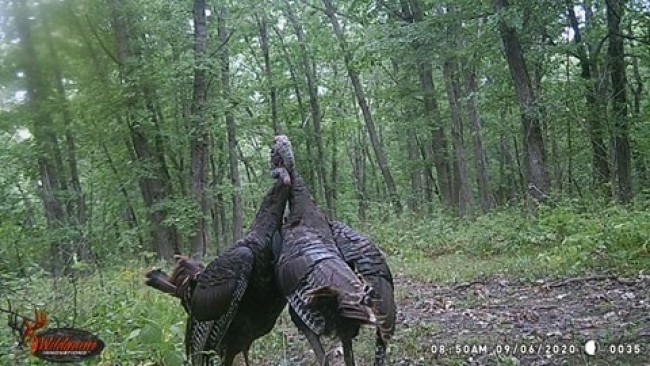
Spring turkey hunting success and safety comes down to the same thing – proper planning.
It’s turkey season! More hunters than ever are heading out into the fields, and many of them are new to the sport. Because so much of turkey hunting involves camouflaging yourself deeply, it’s important to remember that sometimes you do want to be seen (by other hunters, that is). Today’s tips come to us courtesy of Iowa’s Department of Natural Resources, but they’re relevant to just about all turkey hunters nationwide.
The key to turkey-hunting safety is to stay alert to your surroundings. This goes for hunters on private property; after all, sometimes people (especially newbies) accidentally wander into posted areas. (Yes, I’m being charitable about the “accidental” part.) “There could be other hunters out there who are coming to your call,” advises Iowa DNR’s Megan Wisecup.
“Remember, turkey hunters are skilled in the art of concealment. Don’t shoot at movement; don’t shoot at sound; no turkey’s worth it,” continues Wisecup. “I encourage hunters to only shoot after they see the turkey’s beard and have a safe backstop.” Hunters who do shoot a turkey are encouraged to not carry it over their shoulder to avoid someone mistaking it for a live bird and take a shot. Wisecup suggested hunters use a blaze orange turkey transport harvest bag.
Practicing safe hunting becomes more crucial as the annual spring leaf out progresses.
“The later it gets in May, the harder it is to see. Hunters need to stay vigilant to identify the bird and the beard,” she said.
Eight Turkey-Safety Tips to Remember:
- Plan to wear blaze orange when moving from one spot to another because you never know if someone else is out there, even on private land.
- Avoid wearing patriotic colors – red, white, blue. These same colors are found in a turkey’s head.
- Be aware that mushroom hunters will be moving through the timber in late April and May. Mushroom hunters are encouraged to wear blaze orange and avoid red, white and blue.
- Plan to add bug spray and drinking water to the field bag
- A blind is good for concealment and when taking kids turkey hunting, but not for moving around. If you plan to be mobile, don’t bring the blind.
- If hunting private land, be sure you have permission and know the property boundaries.
- Even if hunting private property, the potential exists that someone else may be out there. Trespassing calls increase during turkey season.
- Be extremely careful if planning to use decoys to hunt. Another hunter may mistake you for a turkey.
Have you ever had a “close encounter of the turkey kind” with another hunter? How did you handle it? Tell us in the comments!
Reader Favorites
Field-to-table reference desk
From tag to table — official season dates for all 50 states, plus safe doneness temps for your harvest.
| Species | Archery | Firearm |
|---|---|---|
| Deer | Sep–Oct | Nov |
| Elk | Sep | Oct–Nov |
| Turkey | — | Apr–May |
All 50 state wildlife agencies, plus how seasons, tags and licenses work.
Find your state → Network| Doneness | Target |
|---|---|
| Rare | 125–130°F |
| Medium-rare | 130–135°F |
| Well-done | 160°F+ |
Safe pull temps for venison and steak, from Popular BBQ.
View full chart →

had a father and young son try to sneak around blow down i was hiding in while calling so i yelled then left after they knew i was there
One year during a raining time I set up decoys in front of a big cedar tree that I hunkered down underneath. A trespasser walked in unheard and saw my decoys. He shot my jake and after getting my senses back yelled at him. Of course he took off running in the rain. The decoy had holes in it but it is foam and survived. Even on private land anything can happen.