How to Make Deer Jerky Safely at Home
How to make deer jerky the tested way: slice 1/4 inch thick, marinate cold, heat to 160°F before or after drying, then dry at 140°F until it cracks.
Hunting tips, fishing times, season dates and field-tested gear, every Tuesday.
Unsubscribe anytime.
✓ You're in! Check your inbox to confirm.

A cold weather layering system has three jobs: a base layer moves sweat off your skin, a mid layer traps warm air, and a shell blocks wind and wet. Last updated: September 30, 2026 · Originally published September 29, 2026 Cold weather does not usually beat people because the air is cold. It beats them...
Read More →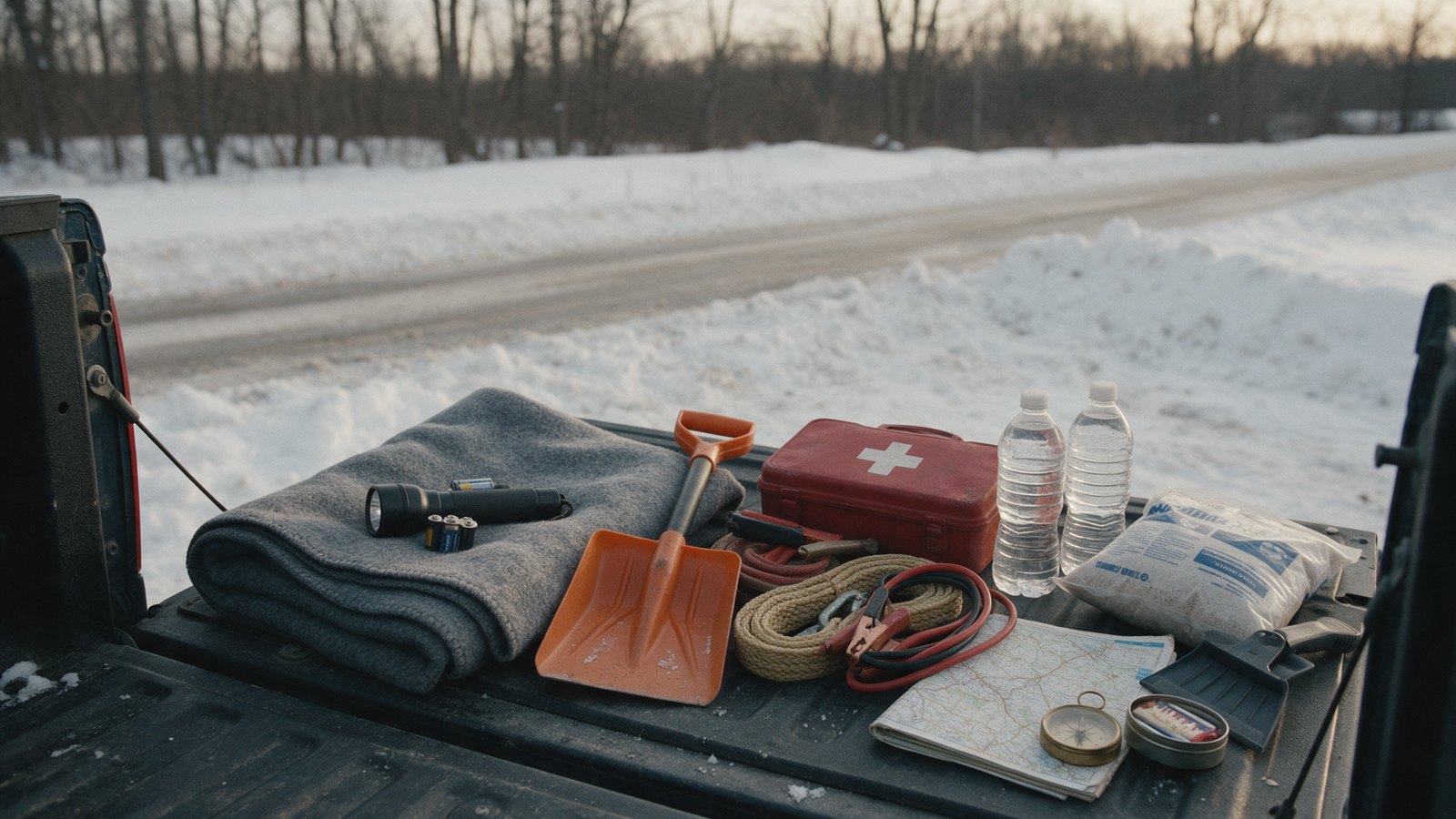
Winter survival kit checklist for car and backcountry, from the NWS, Red Cross and NPS lists, plus what to do if you get stuck and frostbite signs.
Read the articleLiving outdoors on purpose. Fire, water, shelter and navigation without gear doing the work for you, plus the camping and preparedness skills behind them.
How to make deer jerky the tested way: slice 1/4 inch thick, marinate cold, heat to 160°F before or after drying, then dry at 140°F until it cracks.
Ground venison recipes that stay juicy: chili, burgers, tacos and meatballs cooked to USDA’s 160°F, plus thawing, storage and CWD testing tips.
A cold weather layering system has three jobs: a base layer moves sweat off your skin, a mid layer traps warm air, and a shell blocks wind and wet. Last updated: September 30, 2026 · Originally published September 29, 2026 Cold weather does not usually beat people because the air is cold. It beats them…
USDA sets one safe minimum internal temperature for venison: 160 degrees F, every cut. A 16-cut anatomy and cooking table, the CWD evidence stated precisely, and USDA nutrition data that contradicts what hunting media repeats.
GMRS radios compared for 2026 on range, family use and licensing, with the practical limits that manufacturer range claims never mention. GMRS — General Mobile Radio Service — is the most practical two-way radio option for most families, outdoors enthusiasts, and emergency preparedness plans. It offers significantly more power and range than FRS walkie-talkies, requires…
Freeze-dried food brands compared for 2026 on calories, shelf life and cost per serving rather than the number of servings on the box. Freeze-dried food represents the most practical long-term food storage solution available to civilians. Nothing else combines a 25–30 year shelf life with nutritional retention, lightweight portability, and actually edible meals in a…
Best first aid kits in 2026 compared by use case: home, wilderness, tactical, and budget. Complete component checklist plus specialty additions for backcountry and trauma scenarios.
In the first 30 minutes of a tornado warning or a storm outage, the information you get decides everything. These radios still deliver it. When a tornado warning is issued, a hurricane makes landfall, or a winter storm knocks out power, the information you receive in the first 30 minutes determines the decisions that keep…
Best emergency food storage combines freeze-dried meals (25-30 year shelf life), canned goods, and calorie-dense staples. Complete brand comparison with cost-per-serving analysis.
An emergency blanket is the most weight-efficient survival gear you can carry: a mylar sheet weighs 1.4 ounces and packs to a deck of cards. An emergency blanket is the single most calorie-efficient piece of survival gear you can carry. A standard mylar blanket weighs 1.4 ounces, compresses to the size of a deck of…
Wilderness first aid works under different constraints from the everyday kind, because in the backcountry a hospital can be hours away. Wilderness first aid operates under a fundamentally different set of constraints than standard first aid. When an injury occurs in the backcountry, a hospital may be hours or days away, 911 dispatch cannot reach…
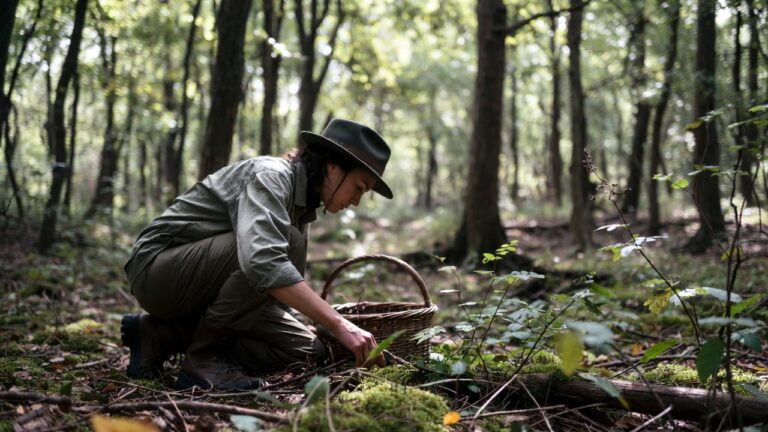
Foraging is one of the oldest human skills, and the beginner’s problem is not finding wild plants but identifying them safely before eating. Foraging — finding and eating wild plants, fungi, and other food sources in the natural environment — is one of the oldest human skills and one of the most practically useful things…
![Large festive bowl of ground meat on a rustic wooden table in a Christmas kitchen setting, with a fire burning in the background and holiday decor nearby.] ,](https://popularoutdoorsman.com/wp-content/uploads/2026/11/Ground-venison-768x432.jpg)