Deer Hunting Tips for the Rut, Phase by Phase
Deer hunting tips for the rut start with one date, your state’s peak breeding, because bucks move most one to two weeks before it.
Originally published: October 12, 2026
Safety and legal note. This article is general information, not a substitute for a hunter education course. Season dates, legal shooting hours and scent and attractant rules are set by your state, and they change. Wear a full-body harness any time you are off the ground, and identify your target and what is beyond it before every shot. Check your state wildlife agency’s current regulations before you hunt.
The rut is the stretch of the year when whitetails breed, and the deer hunting tips that work for it all count from one date: peak breeding where you hunt. Bucks move the most one to two weeks before that date and go quiet with does at the peak. Then, 21 to 30 days later, unbred does come back into heat and you get a second chance. Your state sets the season dates and legal hours for all of it, so check its regulations before you plan a sit.
Somewhere every fall, a buck does something dumb in broad daylight while a hunter sits at his desk, because he booked his vacation off a magazine calendar written for somebody else’s state. There is no national rut. Northern Illinois breeds around November 10, south Florida as early as July 22 and northwest Florida as late as March 3. A calendar built for Pennsylvania will put you in a South Texas stand a month or more early. (Wrong state, wrong month, right refrigerator magnet.)
The Rut at a Glance
- Your date: Peak breeding is mid-November across much of the North; Florida’s dates alone run from July 22 to March 3.
- Best week: Louisiana’s wildlife agency says peak buck movement comes one to two weeks before peak breeding.
- At the peak: A buck may stay with one doe for 24 to 36 hours in heavy cover, per the Illinois DNR.
- Rattling: A Texas study drew 1.07 bucks per session at the peak, 0.30 before it and 0.57 after.
- After the peak: An unbred doe comes back into heat 21 to 30 days later, per Mississippi State’s Deer Lab.

Deer Hunting Tips for the Rut, Phase by Phase
Hunters split the rut into phases named for what you see from the stand. The Illinois DNR uses seeking, chasing and lockdown, and Mississippi State’s Deer Lab calls the run-up to the peak “the searching and chasing phase.” Find your row, then read across.
| Phase | North: Illinois calendar | South: count from your peak | What bucks do | What works |
|---|---|---|---|---|
| Pre-rut | Velvet off Aug to Sep; scrapes and rubs through Oct | From velvet shed in early autumn until seeking starts | Rub, scrape and spar; few does in heat | Scout scrapes and rubs, camera the best scrape, call soft |
| Seeking | Mid- to late Oct | Roughly 2 to 4 weeks before your peak | Cruise doe areas, scent-checking for the first doe in heat | Sit downwind of doe bedding and feeding areas; soft grunts, light rattling |
| Chasing | Late Oct to early Nov | 1 to 2 weeks before your peak | Chase does coming into heat; daylight movement climbs | All-day sits on doe groups and travel routes; grunt and rattle |
| Breeding (lockdown) | About Nov 10 to 20 | Your peak: as early as Jul 22 in south Florida, as late as Mar 3 in northwest Florida | Stay with one doe for 24 to 36 hours in heavy cover | Sit where 3 or 4 travel routes meet near doe cover; rattle loud |
| Post-rut | Late Nov into Dec; second rut early to mid-Dec | Unbred does cycle back 21 to 30 days after your peak | Unbred does and doe fawns come into heat; older bucks keep searching | Rattle for older bucks; for late-season does, soft bleats, then wait 10 to 15 minutes |
North dates are the Illinois DNR’s rut calendar, which lines up with Pennsylvania’s mid-November peak. South timing uses Louisiana’s and Mississippi’s one-to-two-week rule, Mississippi State’s 21-to-30-day cycle and, for seeking, the Illinois spacing. Phase names are hunter shorthand, not biology. Get your county’s peak from our deer rut dates by state page.


When Is the Rut Where You Hunt?
The North is the easy part. A study of 4,781 fetuses from northern Illinois put mean conception at November 10. Penn State puts Pennsylvania’s adult does at a median of November 13, and Virginia’s wildlife agency puts its peak at November 16. In that belt, late October is seeking sliding into chasing.

The South is where wall calendars go to die. Texas Parks and Wildlife found peaks from September 30 in the northern Gulf Prairies to December 24 in western South Texas. Alabama’s wildlife director has said you can hunt the rut there in November, December, January and February. Mississippi’s agency adds the line every Southern hunter should tape to the dash: its map shows mean conception, and “hunter-observable rutting activity peaks about two weeks prior.”
Hunting the rut starts there: look up your county, write the date down and count back two weeks. Remember, a doe is only in heat for 24 to 48 hours, per Mississippi State’s Deer Lab. Every “phase” is bucks reacting to how many does are close to that window. Our deer movement forecast takes it down to your ZIP code and the hour.
Pre-Rut: Read the Deer Scrapes
Bucks start making boundary scrapes and rubs as soon as the velvet comes off, the Illinois DNR says, and keep at it through October. A scrape is a spot where a buck paws away the leaves to bare dirt, directly under a “licking branch” he rubs with his mouth and head, per Missouri’s Department of Conservation. Few does are in heat yet, so this is a scouting stretch more than a killing one.
Here is the catch. The Illinois DNR calls hunting near a scrape “usually a good strategy,” but warns that “most scrape activity occurs under the cover of darkness.” So I would hang a trail camera on the best scrape you find and let it tell you which bucks use it, and when. Keep the calling soft, too. Missouri says to start with contact grunts and bleats, because “once aggressive language is used, you cannot take it back.”
Seeking and Chasing: Burn Your Vacation Here
In the seeking phase, bucks start “actively surveying and inventorying does” for the first one to come into heat, the Illinois DNR says. They skirt the downwind side of doe bedding and feeding areas to scent-check them. That tells you where to sit: downwind of those areas or the trails between them, with soft grunts or light rattling for the younger bucks that come to investigate.
Then comes the chase, and if you take one of these deer hunting tips to the bank, take this one. Louisiana’s Department of Wildlife and Fisheries puts it flat: “research has shown that peak buck movement is one to two weeks before peak breeding.” Mississippi State says “most hunters see many more bucks in the pre-rut than they do during the peak rut.” The Illinois DNR adds that daylight activity climbs while bucks feed less and work scrapes more.
So should you hunt all day? In the chase, I would. Pack lunch, wear the harness (our tree stand safety guide covers the lifeline setup) and stay put. When a doe trots past looking back over her shoulder, get ready. The Illinois DNR says the buck behind her may be 20 feet back or 15 to 30 minutes behind.
Breeding: Where Did the Bucks Go?
At the peak, the buck that ran the ridges all week finds a doe and vanishes. Mississippi State says hunters see fewer bucks then because they are courting and breeding receptive does. The Illinois DNR says a buck may stay with one doe for 24 to 36 hours, with activity “restricted to dense and heavy cover.” You can sit there grunting “Bueller? Bueller?” all morning and get nothing back.
So hunt the cover, not the food plot. The National Deer Association heard from two wildlife photographers who watch tending pairs: both said the pair picks privacy and screening cover, and one said does head “into the thickest brush possible.” Photographer Tes Randle Jolly’s tell is a food plot full of fawns without their mothers. The Illinois DNR adds that where three or four major travel routes meet, you will likely see does, and where there are does, there are bucks.
Rattle loud in this window. In the Texas rattling study below, response peaked within a week of mean conception at 1.07 bucks per session. Bucks 5.5 years and older answered LEAST then, just 12 of the 64 that came, likely because most were busy with does. The rest were younger, so have a plan for aging a buck on the hoof before he walks off.
Post-Rut and the Second Rut
The rut does not shut off like a light switch. An unbred doe comes back into estrus in 21 to 30 days, per Mississippi State, and doe fawns join in late. The Pennsylvania Game Commission found fawn breeding peaked in late November and early December, with nearly half of it from December to February. That “probably explains breeding activity observed by hunters after Thanksgiving,” the commission says.
It is a sneaky good window for an older buck. In the Texas study, 20 of the 29 bucks that answered rattling after the rut were 3.5 years or older, while most younger bucks had gone back to bachelor groups. Missouri’s advice for calling late-season does is soft: bleats and grunts until they hear you, then 10 to 15 minutes before a few barely audible bleats. Buuut most hunters have burned their vacation days by then.
Rattling, Calling and Wind

The rattling numbers I trust come from a Texas study run from 1992 to 1995: 171 sessions on the Welder Wildlife Refuge and 111 bucks that came in. Loud rattling drew nearly three times as many bucks as quiet rattling, and the length of the bout made no difference.
Each session ran 30 minutes: one or three minutes of rattling, then nine or seven minutes of silence, three times over. Of the 98 bucks whose arrival time was logged, 43 came in the first 10 minutes and 55 came later, so do not climb down at minute 11. Radio-tagged bucks in a second part of the study also answered again on later sessions in 13 of 14 cases. A buck that ignored you once is not ruined.
Wind is where most setups die. In that study, 60% of the bucks were first spotted downwind of the observer, and bucks already in sight when the rattling started typically circled downwind as they came. Missouri’s calling guide says to “set up downwind of the area where deer will approach.” Then keep your mouth shut. The National Deer Association reports Texas A&M-Kingsville research in which deer were nearly twice as likely to flee human voices as the sounds of the predators that commonly hunt them. (As NDA puts it, “your presence is hunting pressure.”)
The Rut Shot
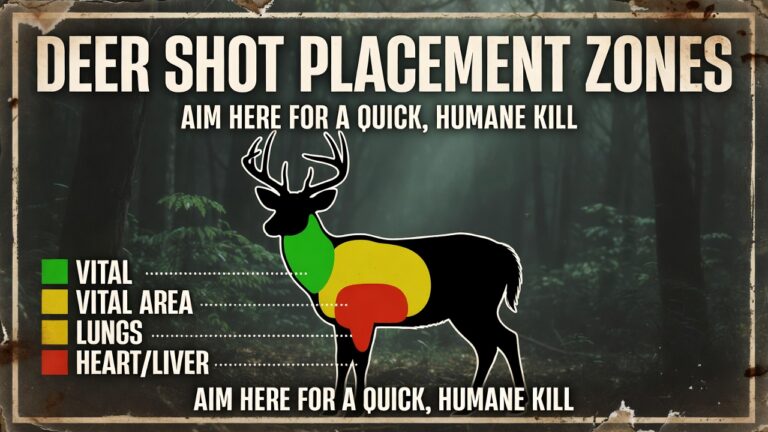
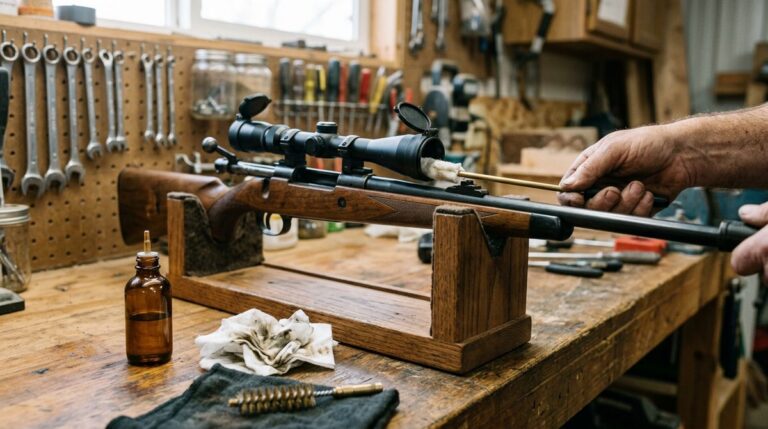
The last of my deer hunting tips is about the rifle. Having worked behind the counter for over 20 years, I get asked every fall what to bring for the rut, and my answer is boring on purpose: the rifle you have already zeroed and practiced with from a seat. A rutting buck is a moving buck, and as our shot placement guide puts it, “A deer rarely stands perfectly broadside and waits.” If he will not give you the shot, let him walk. And know your legal shooting hours, because the chase does not check a clock but the warden does (our state regulation hub links every state agency).
Frequently Asked Questions
When is the rut for deer?
Mid-November across most of the North, and anywhere from late July to early March in the South. New York’s DEC says breeding there runs from October to January with peak activity in mid-November, and Missouri also puts its peak in mid-November.
Should you hunt all day during the rut?
Yes, in the chase. Midday is the slowest window, not a dead one: in the Texas rattling study, morning sessions (7:30 to 10:30 a.m.) drew 0.92 bucks each, midday sessions 0.38 and afternoon sessions 0.56. That midday buck is the one the guy napping in the truck never sees.
Do bucks visit scrapes in daylight?
Some do, but most scrape activity happens after dark, the Illinois DNR says. Bucks and does both use scrapes regularly in the seeking phase, and scrape traffic climbs in the chase, so a camera tells you whether your buck is one of the daylight exceptions.
What attracts big bucks during the rut?
Does, first and last. In the Texas rattling study, the oldest bucks (5.5 and up) answered rattling best after the peak, and bucks 3.5 and older made up 69% of the post-rut responders. That makes the post-rut the best rattling window for an older buck.
What is the second rut?
It is the breeding of does that missed on their first cycle, plus doe fawns coming into heat for the first time. In northern Illinois, doe fawns conceived at a mean of December 2, more than three weeks after adult does at November 8, which is why the woods heat back up in early December.
So find your date, take the week or two before it off, sit the thick stuff at the peak, and rattle after the crowd goes home. If the boss asks why your vacation moved, tell him Louisiana said so.
Sources: Illinois DNR, “The Deer Rut in Illinois” (2022); Green et al., Theriogenology 94:71–78 (2017); Pennsylvania Game Commission, “When is the Rut in Pennsylvania?”; Penn State Deer-Forest Study, “How to predict the rut”; Virginia DWR, “Fawning Dates are Key to Rut Timing”; New York DEC, “White-tailed Deer”; Louisiana DWF, “Estimated Deer Breeding Periods”; Mississippi DWFP, “Deer Breeding Date Map”; Mississippi State Deer Lab, “Biology of the Rut” and “Ecology of the Rut”; Texas Parks and Wildlife, “The Rut in White-tailed Deer”; Alabama WFF, “WFF’s Rut Map Gives Hunters Useful Planning Tool”; Florida FWC, “White-Tailed Deer Breeding Chronology in Florida”; Hellickson et al., “Behavioral Responses of Male White-tailed Deer to Antler Rattling,” SEAFWA Proceedings 63:7–10 (2009); Missouri Department of Conservation, “White-tailed Deer” and “Deer Dialogue” (2014); National Deer Association, “Why Bucks Vanish When They Are Tending Does” and “Listen to These 5 Facts About Deer Hearing”.

Reader Favorites
Field-to-table reference desk
From tag to table — official season dates for all 50 states, plus safe doneness temps for your harvest.
| Species | Archery | Firearm |
|---|---|---|
| Deer | Sep–Oct | Nov |
| Elk | Sep | Oct–Nov |
| Turkey | — | Apr–May |
All 50 state wildlife agencies, plus how seasons, tags and licenses work.
Find your state → Network| Doneness | Target |
|---|---|
| Rare | 125–130°F |
| Medium-rare | 130–135°F |
| Well-done | 160°F+ |
Safe pull temps for venison and steak, from Popular BBQ.
View full chart →