Chronic Wasting Disease Testing in 2026: What Hunters Need to Know
You can still hunt where chronic wasting disease is present, but testing before you eat the animal is the step wildlife agencies now expect.
Last updated: September 15, 2026 · Originally published September 6, 2026
Updated August 11, 2026
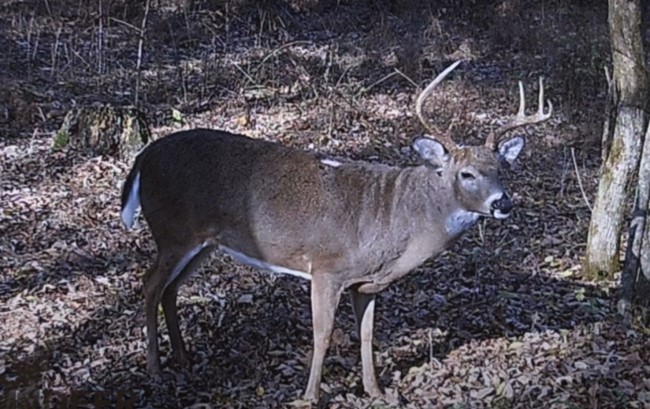
Can you still hunt where chronic wasting disease has spread? Yes but in 2026, more states require you to test your harvest before you eat it. Chronic wasting disease testing is the process of submitting a lymph node or brainstem sample from a harvested deer, elk, or moose so a lab can screen it for the prions that cause the disease. For the coming season, several Western and Midwestern states expanded mandatory testing, and a few tied license privileges to it.
Here is the plain-language version of what changed, why it matters to the herd and to your table, and how to get your animal tested without wrecking your hunt.
What chronic wasting disease testing is
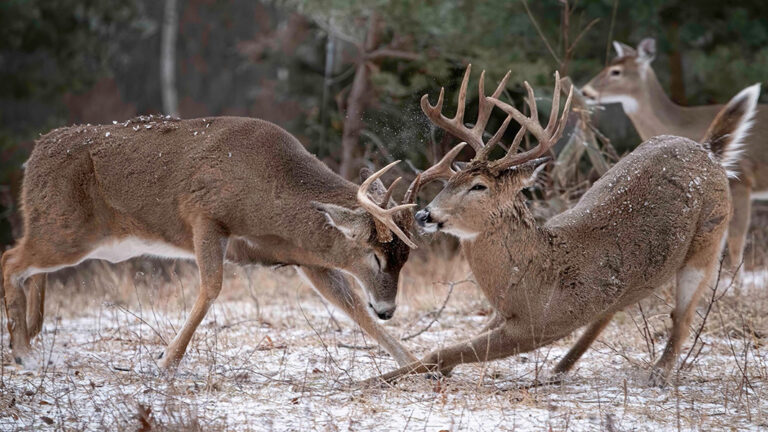
Chronic wasting disease is a fatal brain illness of deer, elk, moose, and related animals. It belongs to the same family as mad cow disease and scrapie in sheep: the trouble is not a virus or a bacterium, but a prion, a normal body protein that folds the wrong way and then teaches other proteins to do the same. Once that process starts, it chews through the nervous system. Infected animals lose weight (the “wasting” in the name), get clumsy, drool, drink and pee more than they should, and often stop acting wary of people. There is no vaccine and no treatment. The animal ultimately dies a cruel death.
It spreads via: saliva, urine, feces, and blood, plus soil and plants that stay contaminated because prions do not break down the way most germs do. That is why it keeps turning up in more states and why wildlife agencies test hunter-killed deer. No human case has been confirmed, and so far the jump to people looks unlikely, but researchers have not closed the book, which is why health agencies still say do not eat an animal that tested positive and do not handle brain or spinal tissue like it is ordinary meat. For hunters and anyone who eats venison, the practical version is simple: know whether CWD is in your area, get the animal tested when that is offered, and skip the ones that looked sick.
If you want to know what late-stage disease looks like, our guide on how to spot the signs of CWD in a deer walks through the symptoms.
Why chronic wasting disease testing matters in 2026
Two forces pushed testing up the priority list this year: wider spread and tighter rules. CWD has now been detected in more than 30 states, and agencies responded by expanding mandatory sampling.
Colorado offers the clearest example. Colorado Parks and Wildlife requires hunters to submit CWD test samples from the head, from every elk taken during rifle seasons on specific hunt codes, at no charge for that mandatory testing. The distinction matters: CPW says plainly that “not all hunt codes in a unit were selected for mandatory CWD testing,” so being in a listed area is not the test your hunt code is. The codes run to pages 41–52 of the 2026 Big Game Brochure. Deer carry no mandatory requirement this year, and voluntary deer testing costs $25 an animal (Colorado Parks and Wildlife, chronic wasting disease). Washington’s rule is geographic and strict: harvest a deer, elk or moose in the department’s Eastern Region the 100-series game management units and you must provide a lymph-node sample within five days. Salvage a deer or elk there and the whole head, with at least three inches of neck, goes in on the same clock (WDFW, rules to reduce the spread of chronic wasting disease). One thing we could not stand up: Washington’s CWD incentive tags have been widely reported as being cut, and we could not confirm any number or any cut on WDFW’s own pages. What the department’s adopted-rules page does say is that it is amending the multi-season tag rule to create a subset of tags for its CWD surveillance programme. We are not printing a figure we cannot source.
The takeaway is simple. If you hunt a unit where CWD has been detected, assume testing is required until your regulations say otherwise. These decisions sit alongside other state wildlife management decisions shaping the 2026 seasons.
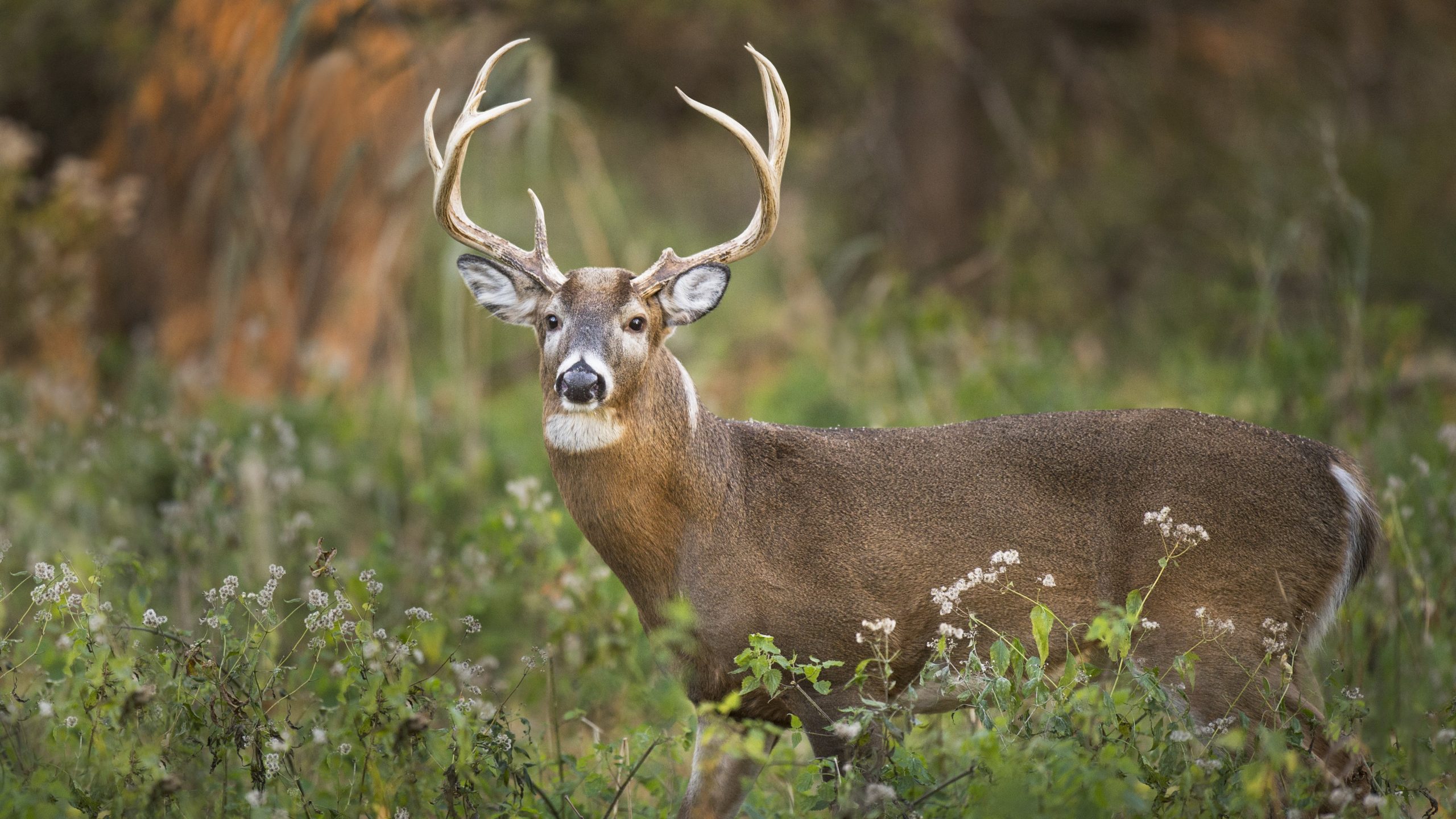
How to get your deer or elk tested
The process is short if you plan for it. Follow these steps.
- Check your state before the hunt. Read your state proclamation and note whether testing is mandatory, voluntary, or tied to a check station.
- Keep the head cool and intact. Most tests need the retropharyngeal lymph nodes, which sit at the top of the throat. Do not skin the head out until you know the collection method.
- Find your drop-off or check station. Many agencies run staffed stations, self-serve freezers, or mail-in kits. Record the harvest location and unit — labs need it.
- Submit the sample and your tag number. You will get a claim number or barcode to track the result online.
- Wait before you grind. Results often take one to three weeks. Freeze the meat and hold off on mixing carcasses until your result comes back.
Handling your own animals on private ground changes the math too, especially if you plant for deer; our look at managing deer on your own ground covers how concentration points factor into disease spread.
State highlights for the 2026 season
Rules vary widely, so treat the table below as a starting point and confirm the current language with your wildlife agency.
| State | 2026 testing posture | Hunter action |
|---|---|---|
| Colorado | Mandatory head submission for elk on specific rifle hunt codes — not every hunt in a unit. No deer requirement. | Submit the head; mandatory tests are free, voluntary deer tests $25 |
| Washington | Mandatory across the whole Eastern Region (100-series units) for deer, elk and moose | Lymph-node sample within five days of harvest |
| Most CWD-positive states | Mandatory in detection zones, voluntary elsewhere | Check unit-specific rules first |
What to do if your animal tests positive
A positive result is not a reason to panic, but it is a reason to act. Public-health agencies recommend that you do not eat meat from an animal that tests positive for CWD. The disease has never been confirmed to infect humans, yet the Centers for Disease Control and Prevention advises against consuming positive animals as a precaution. Most states will replace your tag or issue a new license if your harvest tests positive call your agency and ask.
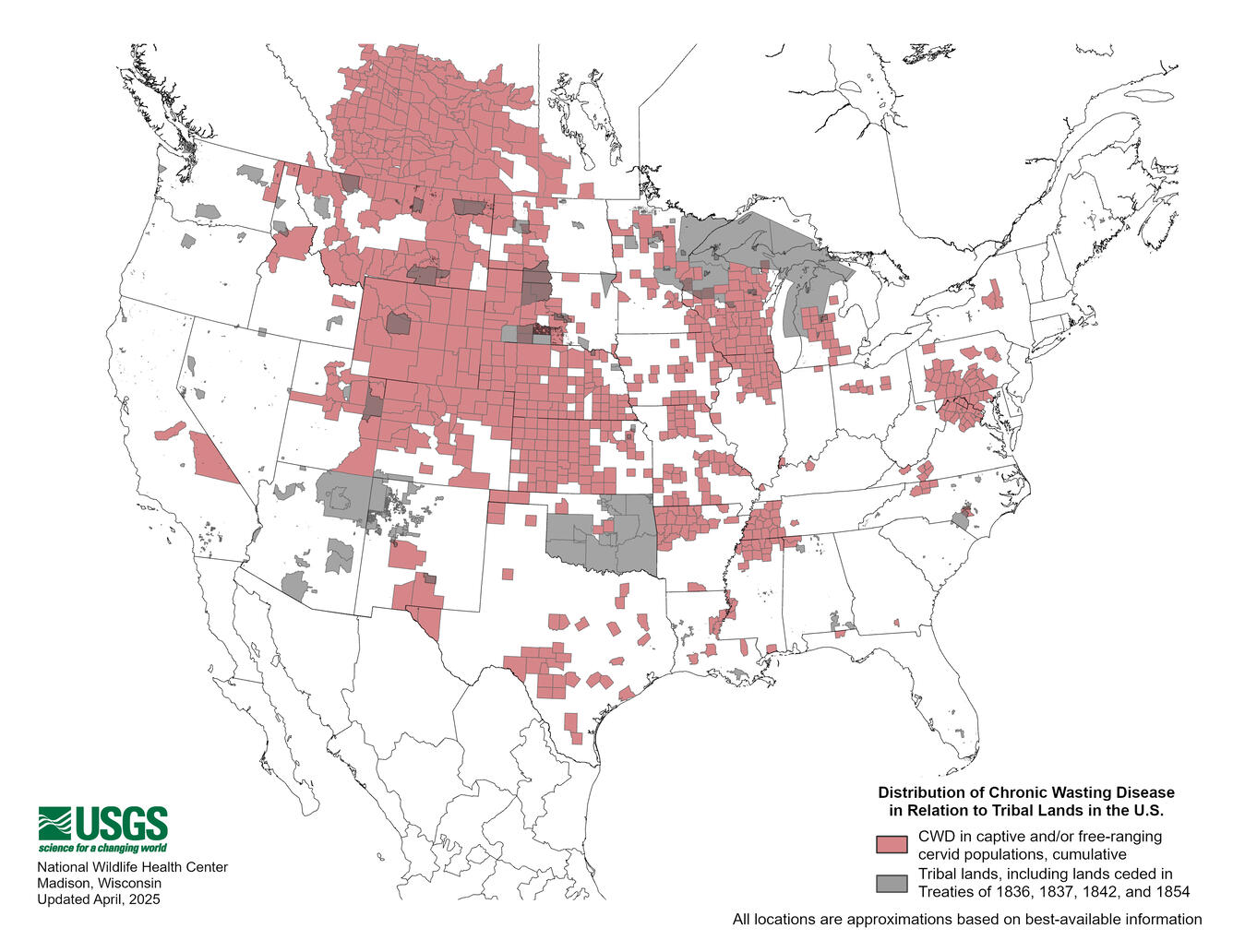
Dispose of the carcass as your state directs, usually a landfill or a designated site, to keep prions out of the soil. Many states also restrict transporting whole carcasses out of a CWD zone, allowing only boned-out meat, clean skull plates, and finished capes across the line. Learn your state carcass-transport rules before you drive home, because a positive result in another state can turn a legal drive into a violation and a fresh disposal problem. Careful disposal is part of the same conservation loop that responsible gun owners and hunters fund through licenses and excise taxes. The national picture, including detection maps, is tracked by the U.S. Geological Survey National Wildlife Health Center.
Field care that keeps your CWD sample usable
A test is only as good as the sample, and most rejected submissions come down to field care. The lab needs the retropharyngeal lymph nodes intact, so the way you handle the head in the first hour matters more than anything you do at the check station.
Keep it cool and keep it whole. Do not cape or skull-mount the animal until you have pulled or submitted the sample, because a European mount or a careless caping cut can destroy the exact tissue the lab wants. If the weather is warm, get the head on ice fast. Bag it, label it with your tag number and harvest unit, and keep it out of the sun. If your state runs self-serve freezers, drop it the same day. Sloppy field care is the quiet reason a hunter waits three weeks only to learn the sample could not be read, and by then the meat decision has already been made for you.
Why hunters lead on chronic wasting disease
Testing can feel like a chore, but hunters are the front line of CWD surveillance, not the problem. Every sample a hunter submits sharpens the map wildlife agencies use to slow the spread, and hunter license dollars fund most of that work in the first place. No other group puts eyes and samples on the landscape at this scale.
That is the conservation math. When you submit a head in a detection unit, you are doing the same job a field biologist does, one animal at a time. The data tells agencies where to focus culls, where to restrict carcass transport, and where the herd is still clean. Responsible firearm owners already understand this partnership; our sister coverage on rifles and gear built for the hunt reflects the same ethic of doing the job right. Chronic wasting disease testing is not red tape. It is herd management you can hold in your hands.
How this page was checked
Every agency claim above was re-read on 2 September 2026 against the agency’s own page, and each is linked to the page it was read on rather than to a department homepage. Colorado’s hunt-code rule and its fee schedule come from Colorado Parks and Wildlife’s chronic wasting disease page; Washington’s Eastern Region requirement and the five-day clock come from the Department of Fish and Wildlife’s CWD rules page; the human-health wording is quoted from the Centers for Disease Control and Prevention rather than paraphrased.
One claim was removed rather than fixed. An earlier draft said Washington was eliminating one hundred chronic wasting disease incentive tags. We could not find that number, or any cut, anywhere on the department’s own site — what its adopted-rules page describes is an amendment to create a subset of multi-season tags for the surveillance programme. Rather than soften the sentence, we took the figure out and said so here.
The three-state table is a shape, not a substitute for your regulations. Chronic wasting disease rules change between seasons and sometimes within one, and the unit or hunt code on your license decides what applies to you.
Frequently asked questions
Is chronic wasting disease testing mandatory in 2026?
It depends on where you hunt. Many states require testing in units where CWD has been detected and keep it voluntary elsewhere. Colorado, for example, mandates head submission from elk in certain rifle-season units. Always read your unit rules before the season.
How long does a CWD test take?
Most results come back in one to three weeks, though timing varies by lab and season volume. Freeze your meat and avoid grinding or mixing carcasses until you receive a negative result.
Can humans get chronic wasting disease?
The CDC’s wording is worth quoting exactly, because it is more careful than most summaries of it: “CWD infections in people have never been reported, and so far, it’s not known if people could get infected with CWD.” Its instruction, by contrast, is not hedged at all: “If your animal tests positive for CWD, do not eat meat from that animal.” Testing before you eat is the responsible call in a CWD zone.
What sample does CWD testing use?
Labs typically test the retropharyngeal lymph nodes at the top of the throat, and sometimes the brainstem. Keep the head cool and intact until you know your state collection method so the sample stays usable.
Does testing cost the hunter money?
Mandatory tests are often free. Colorado, for instance, charges nothing for required submissions. Voluntary tests may carry a small fee, and some states offer mail-in kits. Check your agency pricing before you drop off a sample.
The prions do not care whether the freezer is full. That is why the smartest hunters in a CWD zone treat chronic wasting disease testing as one more part of the harvest, right after the field dressing and long before the first steak.
Reader Favorites
Field-to-table reference desk
From tag to table — official season dates for all 50 states, plus safe doneness temps for your harvest.
| Species | Archery | Firearm |
|---|---|---|
| Deer | Sep–Oct | Nov |
| Elk | Sep | Oct–Nov |
| Turkey | — | Apr–May |
All 50 state wildlife agencies, plus how seasons, tags and licenses work.
Find your state → Network| Doneness | Target |
|---|---|
| Rare | 125–130°F |
| Medium-rare | 130–135°F |
| Well-done | 160°F+ |
Safe pull temps for venison and steak, from Popular BBQ.
View full chart →