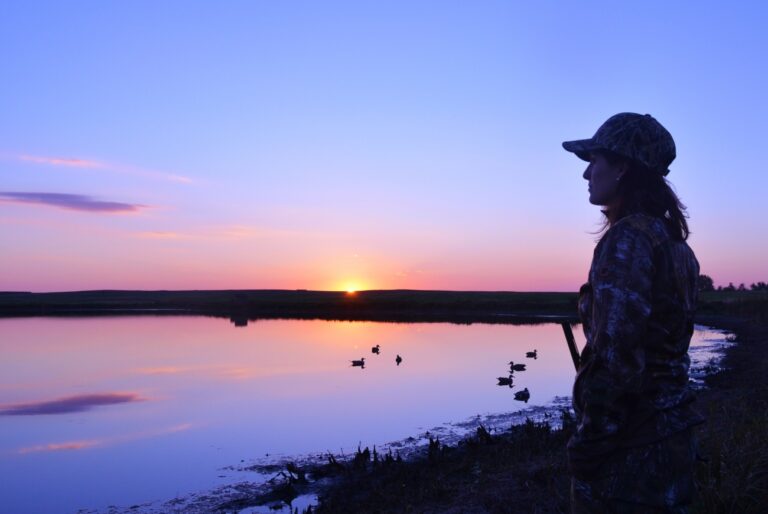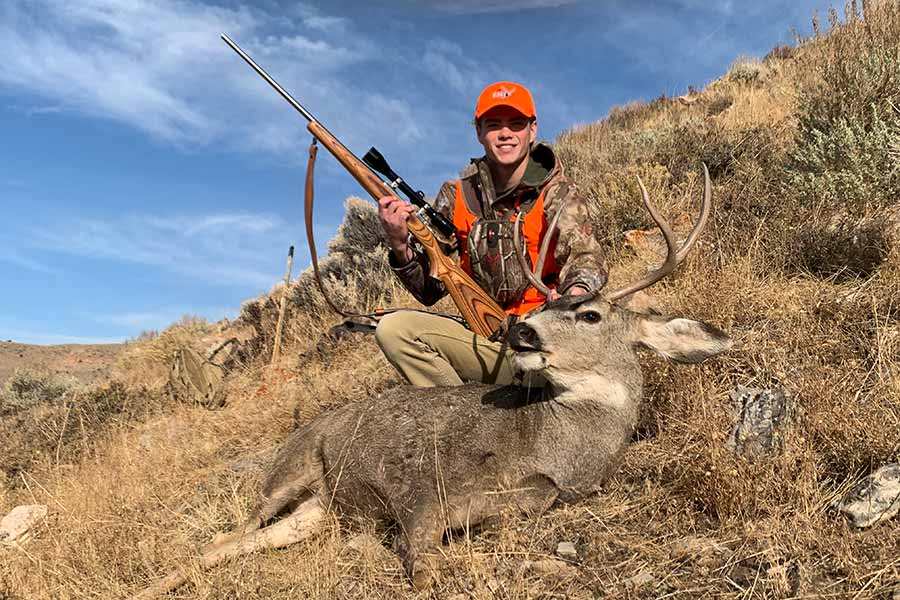
Is .300 Blackout Good for Hunting? The Suppressed Setup for Hogs, Deer & Predators
A 200-grain subsonic 300 Blackout out of a suppressed 16-inch barrel is quiet enough that a sounder keeps feeding, which is the whole appeal.
Last updated: September 30, 2026 · Originally published September 29, 2026
The hog never heard the first shot. A 200-grain subsonic round out of a 16-inch barrel leaves the muzzle with a thump you feel more than hear, and the sounder kept rooting while a second pig folded four feet from the first. That is the case for .300 Blackout for hunting in one sentence: yes, .300 Blackout is good for hunting — it is at its best on hogs, deer, and predators at the woods-to-field ranges where most of America actually fills a tag, and it is the easiest centerfire rifle to shoot suppressed.
I hold a Type 07 FFL with a Class 02 SOT, which means suppressors are part of my business, and I will tell you up front: it is not a long-range cartridge, and anyone selling it as one is selling you the wrong gun. Inside roughly 200 yards, though, .300 Blackout does something no other common rifle round does as well: it pushes a heavy .30-caliber bullet from a short, light, quiet rifle with recoil mild enough that you watch your own impact. This guide walks the load, the rifle, the suppressor, and the gear that turns the cartridge into a complete hunting setup.
Supersonic or subsonic .300 Blackout: match the load to the game
Let’s start with the ammunition. The cartridge has a split personality, and understanding it is the whole game. .300 Blackout was designed to do two jobs from the same magazine.
Supersonic loads (110–135 grain) leave a 16-inch barrel around 2,100–2,350 feet per second. They shoot flat enough for field edges and open timber, carry useful energy out past 200 yards, and expand reliably on game. This is your daylight deer-and-predator load — the one for the shot across a cut cornfield or a called-in coyote hanging up at 180.
Subsonic loads (190–220 grain) stay under the sound barrier — right around 1,000 feet per second — which is what makes the rifle quiet under a suppressor. The trade is range and terminal performance: subsonic .300 Blackout is a close-cover round. On hogs inside 100 yards it is devastating; on deer it asks for a bullet built to open at low velocity and a hunter disciplined about distance. Do not stretch it.
The simple rule: supersonic for reach and reliable expansion, subsonic for quiet work in close. A hog hunter running thick brush at night may live entirely in subsonic. A deer hunter watching a field edge wants supersonic in the magazine. Plenty of hunters carry both and load for the stand.


Why this cartridge pairs with a suppressor
Now, why the suppressor? Hearing damage is cumulative and permanent, and a rifle muzzle blast is well past the threshold that does it — one unprotected shot at a buck can cost you high-frequency hearing for good. A suppressor knocks the report down to where a hunting shot no longer wrecks your ears, and it does three more things that matter in the field: it cuts felt recoil so you spot your own hit, it tames muzzle flash at dawn and dusk, and it keeps a missed first shot from clearing every animal out of the county before your follow-up.
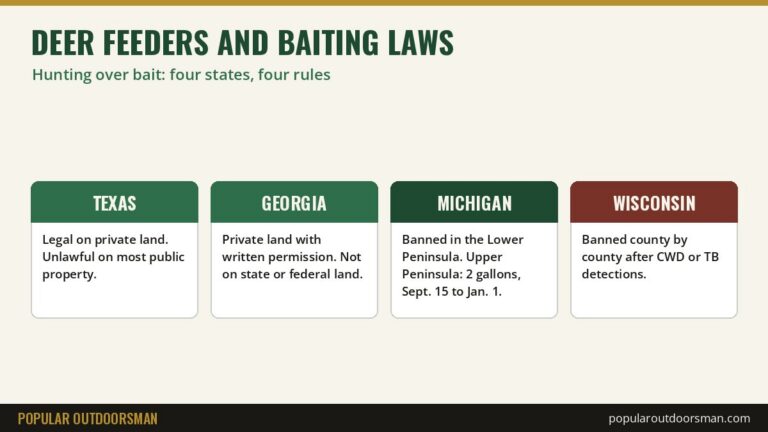
The barrier most hunters remember — the federal tax that sat on every suppressor purchase for ninety years — is gone. That cost was eliminated as of January 1, 2026, which is a large part of why suppressed hunting is no longer a niche habit. Ownership is legal in the large majority of states; whether you may hunt with one is set separately by your state wildlife agency, and I cover that map in my state-by-state breakdown on Freedom’s Lodge.
The rifle: Bergara B-14 Stoke
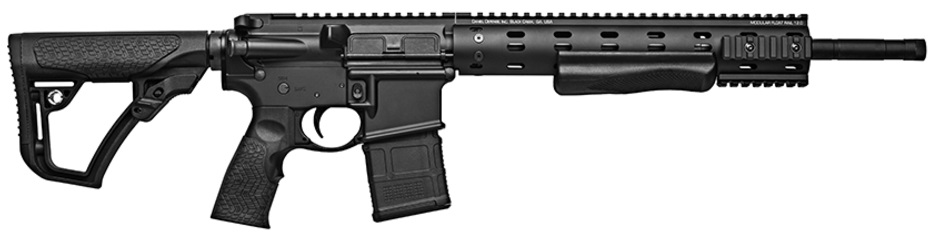
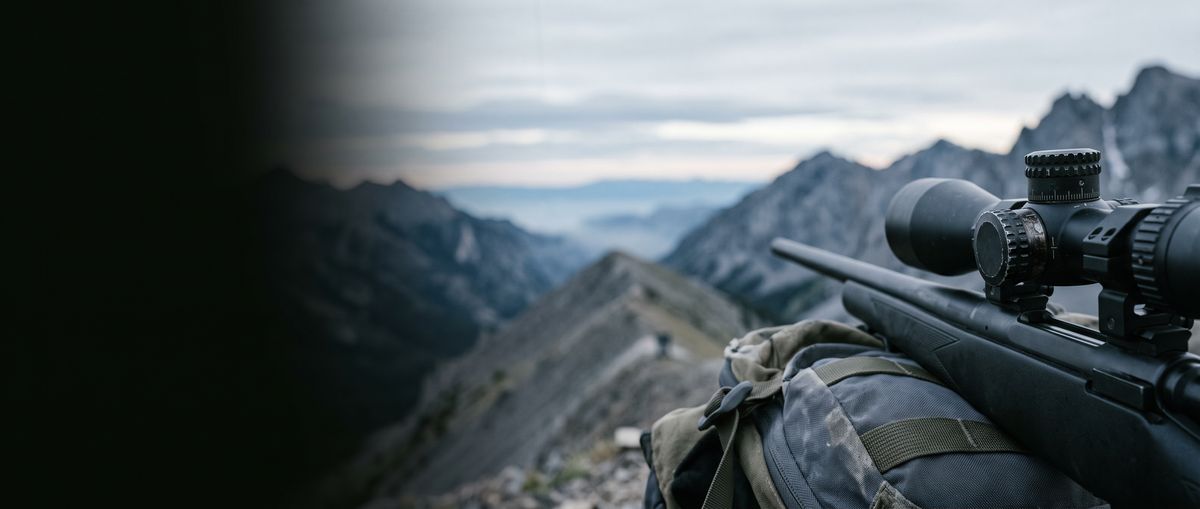
For a hunting .300 Blackout, you want short, light, and threaded from the factory — and the Bergara B-14 Stoke is built to that brief. It is a bolt-action chambered in .300 Blackout with a 16.5-inch barrel threaded 5/8×24, a 1:8 twist that stabilizes the heavy subsonic bullets the cartridge depends on, and a trim weight near six pounds before glass. List price is $969.
The detail that earns it a spot here is the 12.25-inch length of pull — among the shortest in its class. That is not a spec-sheet footnote (and it is the kind of thing that never shows up until you shoulder the gun). A short length of pull means a youth or smaller-framed hunter can actually shoulder the rifle correctly, and it means the gun handles fast in a treestand or a truck cab where a full-length stock fights you. Pair the AICS-pattern detachable magazine with a quick load change and you can swap from supersonic to subsonic between a morning field-edge sit and an evening creek-bottom push.
The suppressor: BANISH 30-V2
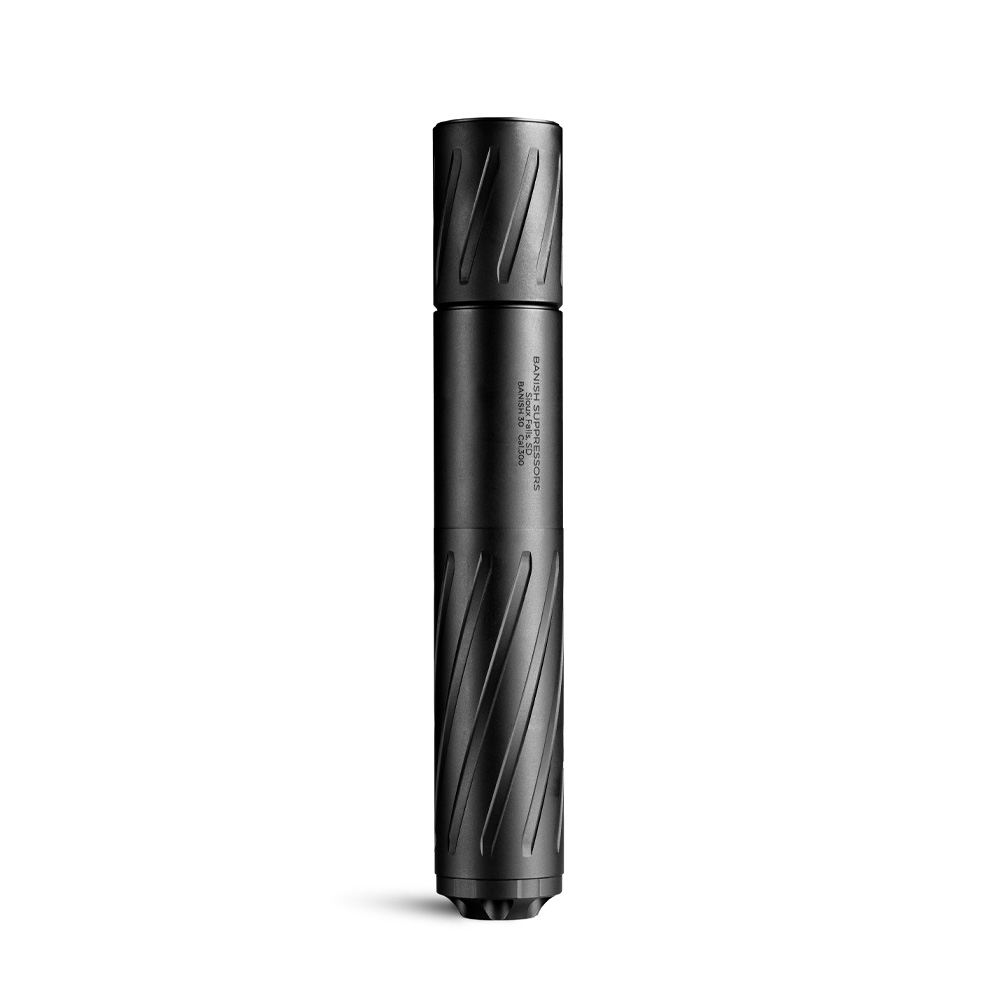
The BANISH 30-V2 is a 100% titanium, multi-caliber suppressor that runs everything from .17 HMR up to .300 Weatherby — which means the can you mount on the Stoke also rides on your deer rifle, your .22, and your magnum. On .308 it delivers up to 34.5 decibels of average sound reduction. It is user-serviceable, so the carbon that subsonic loads leave behind comes out on your bench instead of at a gunsmith like me.
It is also modular, and that matters for a hunting gun. Run all eleven baffles at 8.17 inches and 12.4 ounces when you want maximum suppression on a stand, or pull it down to the eight-baffle, 6.4-inch, 9.5-ounce configuration when you are still-hunting and every inch off the muzzle helps. It ships on a 1.375×24 HUB mount with a 5/8×24 adapter, so it threads straight onto the Stoke. For the wider field of options, see my guide to the best .300 Blackout suppressors and the dedicated BANISH 30-V2 breakdown.
Feeding it: the close-range subsonic option

Subsonic terminal performance is the part hunters get wrong. A heavy bullet creeping along at 1,000 feet per second does not have velocity to spare for expansion, so the load has to be engineered for it. Winchester Super Suppressed in 200-grain .300 Blackout is purpose-built for the quiet-and-close job — a consistent subsonic load that keeps groups tight and runs clean through a suppressor. Keep it inside sensible range, put the bullet through the boiler room, and on hogs it does exactly what you want.
Treat your supersonic and subsonic loads as two different tools for two different sits, not as a ladder where one is better than the other. The animal and the distance pick the load.
Glass: the low-light edges
Hogs move at night and deer move at the seams of the day, so your scope earns its money in the last ten minutes of legal light. The Leupold VX-Freedom 3-9×50 — provided by GunPrime — pairs a 50mm objective with Leupold’s Twilight Light Management to pull detail out of fading light, in a magnification range that suits everything the cartridge is good for. At 3x it is fast for a hog in close; at 9x it is enough glass to read a buck at the far end of a food plot. List price is $349.99.
The backcountry sidearm
If your hunting takes you somewhere a wounded hog or a bad-tempered hog dog situation can turn ugly, a capable handgun belongs on your belt. The Kimber 1911 DS Warrior is a full-size double-stack 10mm — a 5-inch stainless bushing barrel, 15+1 and 18+1 magazines, a match trigger, optics-ready slide, and an ambidextrous safety. The 10mm cartridge carries real authority for a follow-up on a hog or as bear insurance in country that has them, and the double-stack frame gives you the capacity to back it up. I cover carrying one daily in my Popular EDC piece on the DS Warrior.
Field gear that earns the pack weight
Two knives, two philosophies, both worth a place in the truck. The WE Knife Inceptus runs an M390 blade in a titanium handle — a premium build that holds an edge through a long field-dressing season before it asks for a stone. The CIVIVI Iron Tide takes the opposite, equally valid road: a 14C28N blade that is tough, easy to bring back to shaving sharp on a truck-tailgate, and priced to be the knife you use hard and do not baby. They are made by independent companies and they answer different needs — carry whichever matches how you treat a blade, or keep one of each.
And keep records. Basically, a rifle you do not track is a rifle you do not know. The Armorer app logs round counts, service intervals, and the load data behind your zero, so the rifle that printed a half-inch group in June still does in November.
Before you hunt: your state laws
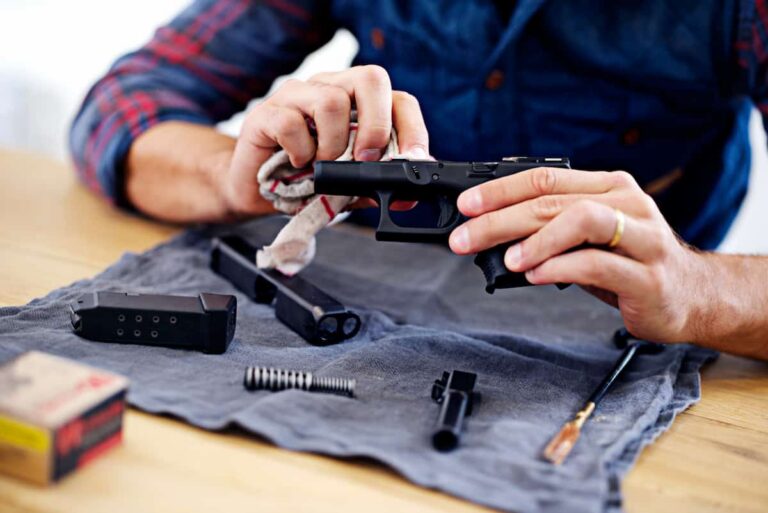
Remember, owning a suppressor and hunting with one are two separate questions, and they shape how you run this rifle. Ownership is federally legal and now carries no federal tax, but the rules for using a suppressor while hunting — by species and season — are written by each state’s wildlife agency. The trend has run strongly toward allowing it, but verify before you head afield; I keep the full map current in the Freedom’s Lodge legal guide. When the season ends, give the rifle the cleaning a suppressed bore earns — my field-to-bench routine walks it.
Frequently asked questions
Is .300 Blackout good for deer?
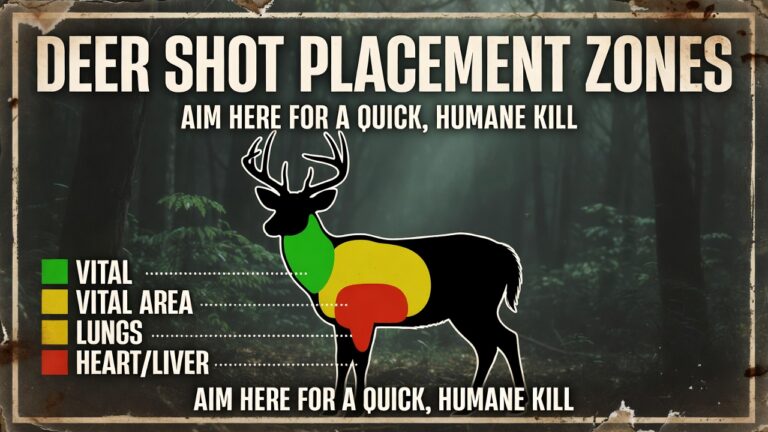
Yes, within its effective range. A supersonic 110–135 grain load carries enough energy for an ethical shot on whitetail out to roughly 200 yards. Subsonic loads will take deer in close, but only with a bullet engineered to expand at low velocity and a hunter disciplined about distance — keep those shots tight and well-placed.
Is .300 Blackout good for hogs?
It is one of the best cartridges going for hogs, especially suppressed at night. Subsonic 200-grain loads hit hard in close cover where most hog hunting happens, and the quiet report lets you take a second pig before the sounder scatters.
Do you need a suppressor to hunt with .300 Blackout?
No, but the cartridge was designed around one. Subsonic .300 Blackout is truly quiet under a suppressor, and suppressing the rifle also cuts recoil and muzzle flash. With the federal tax on suppressors eliminated as of January 1, 2026, the main barrier hunters remember is gone.
Is subsonic .300 Blackout good for hunting?
For close-range work, yes. Subsonic loads are quietest and excellent on hogs inside 100 yards, but they shed energy fast and need an expansion-engineered bullet for deer. Match the load to the animal and the distance.
Is it legal to hunt with a suppressor?
In most states, yes — but it is governed by two separate layers. Ownership is federally legal and prohibited in only a handful of states; hunting use is set by each state’s wildlife agency and varies by species and season. Check your state before you hunt; my state-by-state guide keeps it current.
Final Thoughts
A short, quiet .30-caliber rifle that lets you watch your own hit is a hard thing to argue with inside 200 yards. Load for the sit, respect the range, and check your state before you go. That is the whole setup.
Product specifications are drawn from each manufacturer; verify current details on the manufacturer’s site before purchase.

Reader Favorites
Field-to-table reference desk
From tag to table — official season dates for all 50 states, plus safe doneness temps for your harvest.
| Species | Archery | Firearm |
|---|---|---|
| Deer | Sep–Oct | Nov |
| Elk | Sep | Oct–Nov |
| Turkey | — | Apr–May |
All 50 state wildlife agencies, plus how seasons, tags and licenses work.
Find your state → Network| Doneness | Target |
|---|---|
| Rare | 125–130°F |
| Medium-rare | 130–135°F |
| Well-done | 160°F+ |
Safe pull temps for venison and steak, from Popular BBQ.
View full chart →