The Best Scope for a .308 in 2026: Burris Fullfield 4-16×50
The Best Scope Value for a .308 in 2026: Burris Fullfield 4-16×50
Last updated: September 30, 2026 · Originally published June 26, 2026


What makes the best scope for a .308
A great .308 hunting scope must handle a wide range of real-world scenarios: close shots in thick timber, mid-range shots across fields or clearings, and occasional longer shots on open country. The ideal optic offers:
- A magnification range that starts low enough for quick acquisition (around 4x) and reaches high enough for precise shots out to 400–600 yards (16x works beautifully here)
- Strong low-light performance for dawn and dusk hunts
- Reliable tracking and repeatable adjustments
- Enough eye relief to stay comfortable with .308 recoil
- Durability that survives rough field use
- Good value — because most hunters don’t need (or want) to spend $1,000+ on glass
The Burris Fullfield 4-16×50 checks every one of these boxes without unnecessary complexity.
Why the Fullfield 4-16×50 earns the rail
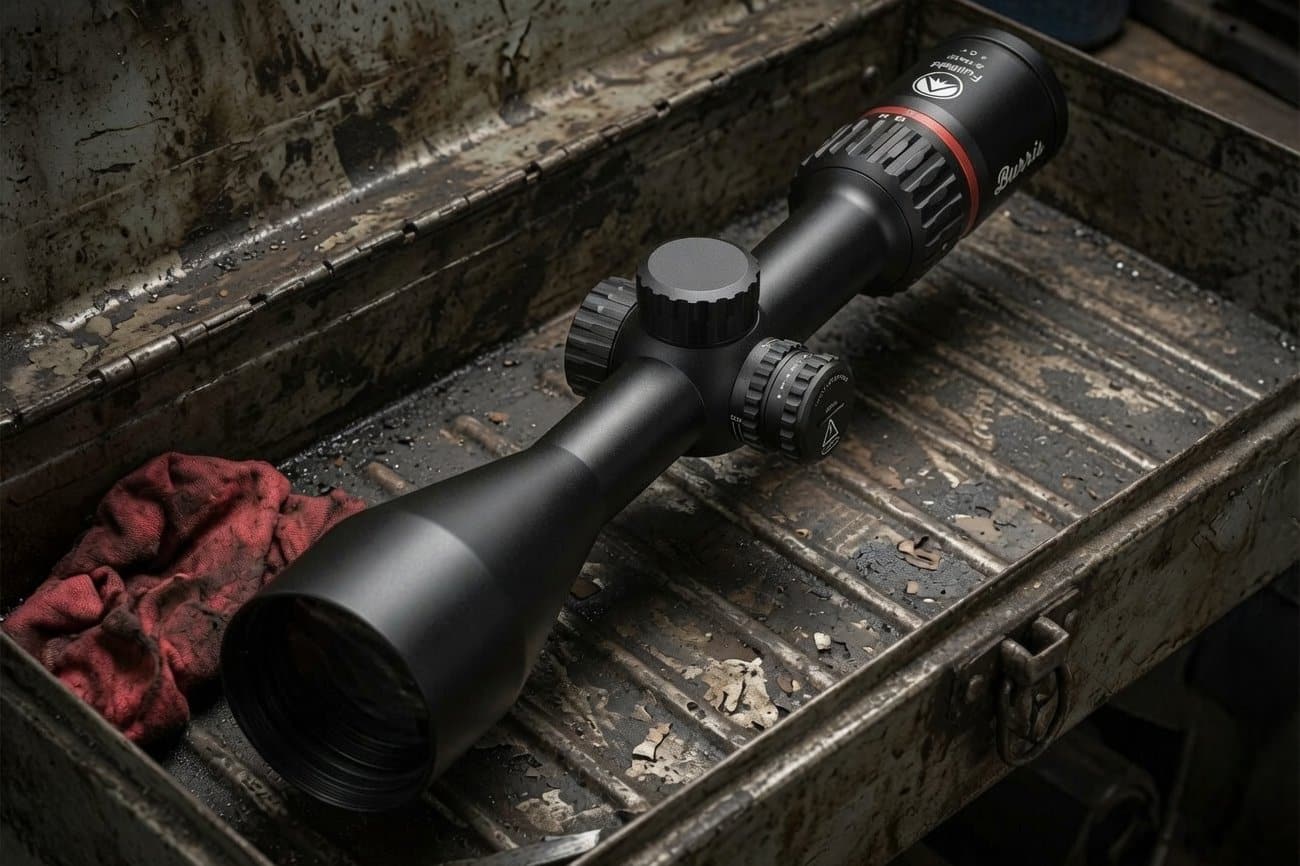
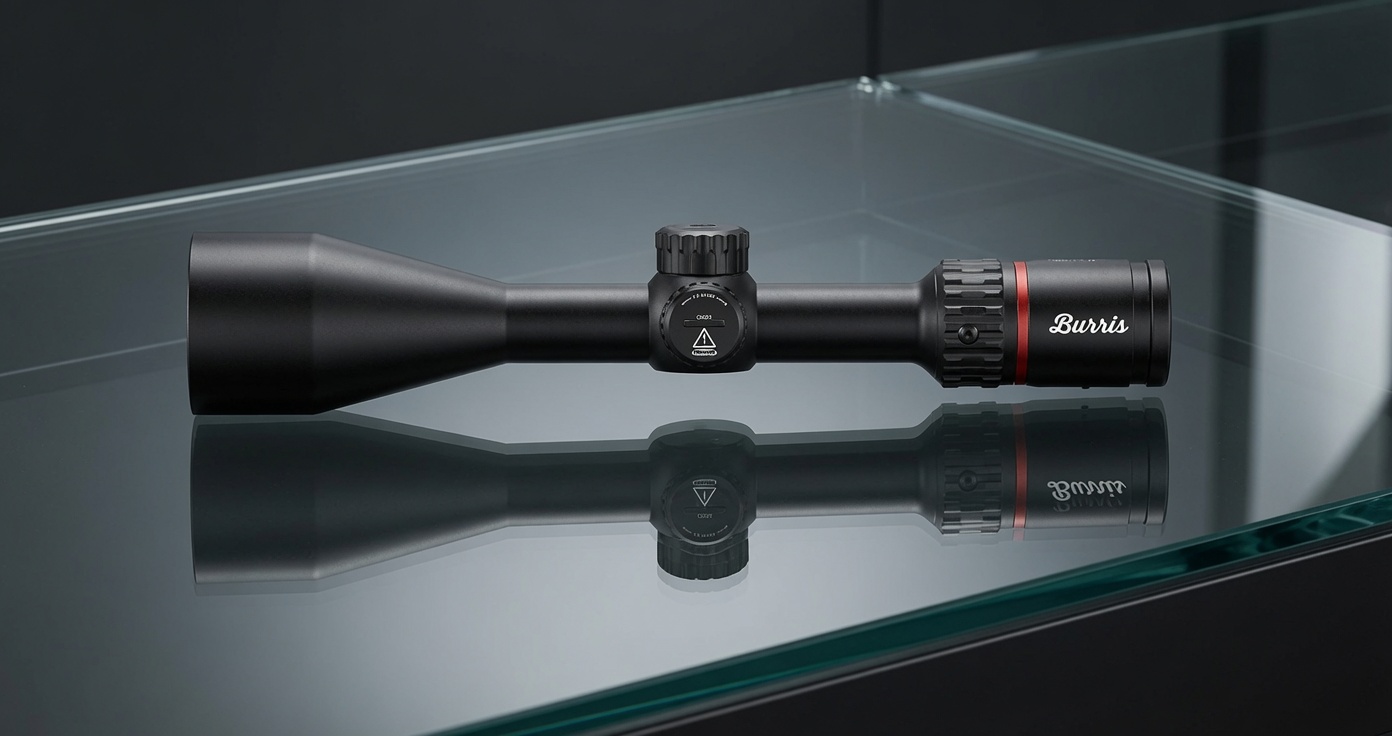
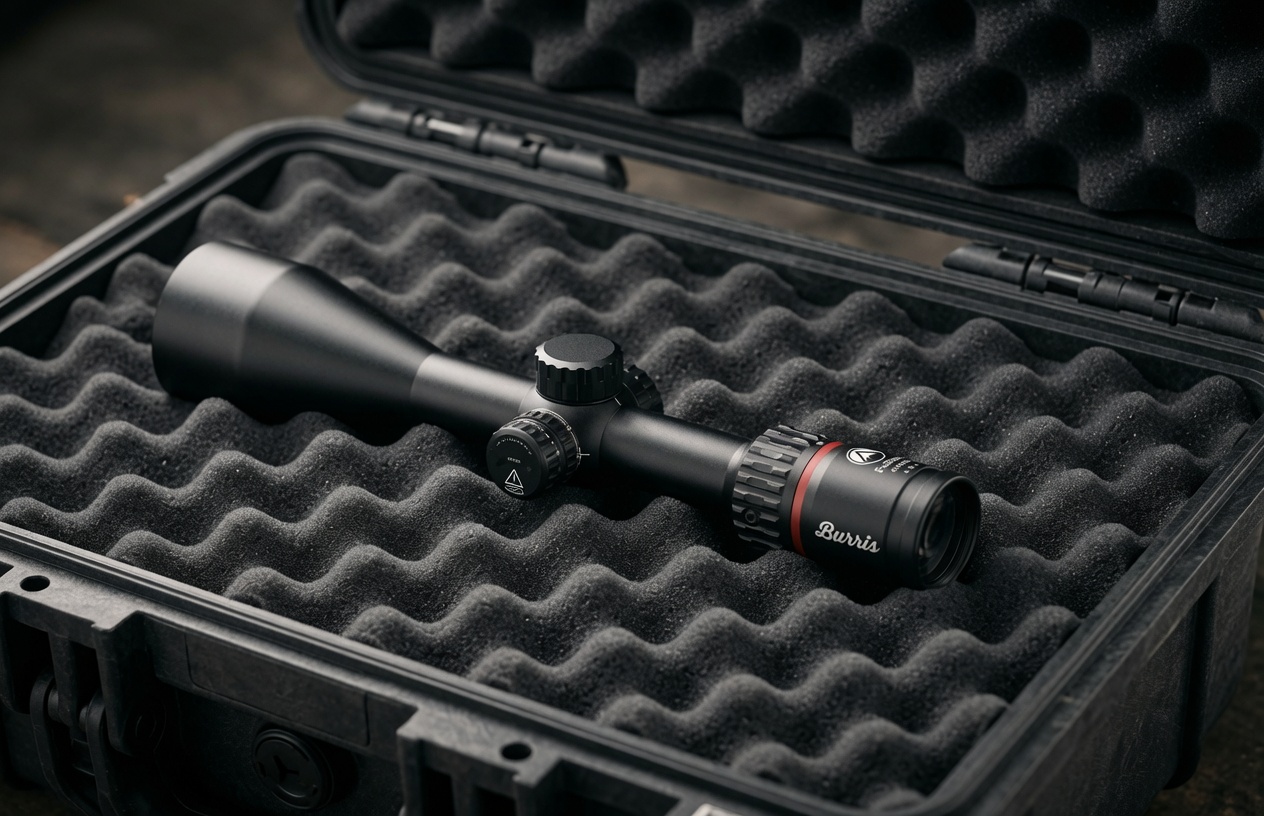
The Fullfield 4-16×50 (201552) brings modern features to Burris’s trusted Fullfield line at an accessible price (MSRP around $480). Key strengths include:
- 4-16x magnification — Perfect sweet spot for .308 hunting
- 50mm objective lens with Hi-Lume multi-coatings for excellent light transmission
- Side-focus parallax adjustment from 25 yards to infinity
- Wind Ret reticle with exposed, tactical-style turrets (1/4 MOA clicks) for quick wind and elevation corrections
- Lightweight at just 17.7 oz and only 12.3 inches long
- Rugged one-piece aluminum body, nitrogen-purged, waterproof, fogproof, and shockproof
- Burris Forever Warranty — no questions asked, transferable for life
This scope rides the rail cleanly on the Savage 110 Carbon Hunter and balances the rifle beautifully.
A note for the hunter shopping scopes
Glass for a complete suppressed .308
In a complete suppressed build, the Fullfield rides the Savage 110 Carbon Hunter‘s rail while the BANISH MeatEater hangs off the muzzle — bright glass and a quiet shot on one rifle. Feed it with Barnes subsonic ammo day one, then handload from the RCBS bench after that.
Focal planes, MOA, and the turret terms that actually matter
Most hunting scopes (including this Fullfield) are Second Focal Plane (SFP). The reticle stays the same size regardless of magnification. This is ideal for hunters because the reticle remains bold and easy to see at lower powers. First Focal Plane (FFP) reticles grow and shrink with magnification — better for long-range dialing but less practical for most hunting.
Minute of Angle is the standard unit for scope adjustments. 1 MOA is roughly 1 inch at 100 yards. The Fullfield’s 1/4 MOA clicks let you make precise corrections. Most hunters zero at 100 or 200 yards and then use the reticle or turrets for longer shots.
Parallax occurs when the reticle and target are not on the same focal plane, causing apparent movement. The Fullfield’s side-focus knob eliminates parallax from 25 yards to infinity, which is especially useful when shooting at higher magnifications.
For 90% of hunting situations, you’ll be shooting between 4x and 10x. At these powers, parallax is minimal and the reticle stays crisp. The side focus and exposed turrets on the 201552 model simply give you more capability when you need it — without complicating the scope for everyday use.

Mounting and zeroing your hunting scope
Proper mounting is critical:
- Use quality rings matched to your rail (the Savage 110 Carbon Hunter has a 0 MOA rail — low or medium rings usually work best)
- Level the scope using a bubble level on both the rifle and the scope turret
- Torque screws to manufacturer specs
Zeroing tips:
- Bore sight at 25–50 yards
- Fire a 3-shot group at 100 yards
- Adjust windage and elevation until your point of impact matches point of aim
- Confirm with another group, then move to 200 yards if desired
Once zeroed, the Wind Ret reticle and exposed turrets on the Fullfield make quick corrections in the field simple and intuitive.

Frequently asked questions
What is the best scope for a .308?
The best scope for a .308 pairs a versatile zoom range, a bright objective, and dependable zero retention with a weight that suits your rifle. For a general-purpose hunting .308, a 4-16×50 like the Burris Fullfield covers close-in acquisition through long-range precision.
Is the Burris Fullfield 4-16×50 good for hunting?
Yes. Its 4-16x range handles close timber to open country, the 50mm objective gathers low light at dawn and dusk, side-focus parallax keeps the reticle sharp at any distance, and the Burris Forever Warranty backs it for life.
How much magnification do you need for a .308?
For most hunting inside the cartridge’s comfortable range, a top end of 12x to 16x is plenty — enough to hold precise at distance without sacrificing the wide field of view you need on a close, moving animal.
What reticle does this scope have?
Item 201552 carries the Wind reticle, non-illuminated, in matte black, in a second (rear) focal plane.
Does it hold zero on a .308?
Burris builds the Fullfield on a single-piece aluminum tube, sealed against fog, with a turret system designed to return to zero under centerfire recoil.
What rifle does it pair with in this package?
The Savage 110 Carbon Hunter in .308 — a lightweight, threaded, suppressor-ready bolt rifle that ships without glass, exactly what the Fullfield is here to provide.

Reader Favorites
Field-to-table reference desk
From tag to table — official season dates for all 50 states, plus safe doneness temps for your harvest.
| Species | Archery | Firearm |
|---|---|---|
| Deer | Sep–Oct | Nov |
| Elk | Sep | Oct–Nov |
| Turkey | — | Apr–May |
All 50 state wildlife agencies, plus how seasons, tags and licenses work.
Find your state → Network| Doneness | Target |
|---|---|
| Rare | 125–130°F |
| Medium-rare | 130–135°F |
| Well-done | 160°F+ |
Safe pull temps for venison and steak, from Popular BBQ.
View full chart →