How to Catch Post-Spawn Walleye and Smallmouth Bass in Late May 2026
Post-spawn walleye smallmouth fishing runs on a thermometer, not a calendar. Walleye spawn on a thermometer. Smallmouth bass spawn on the same thermometer. In late May 2026, every fishery from Lake Erie north through the Manitoba border is somewhere in the post-spawn window — and the angler who knows which day, which water temperature, and which structure is the angler putting fish in the boat.
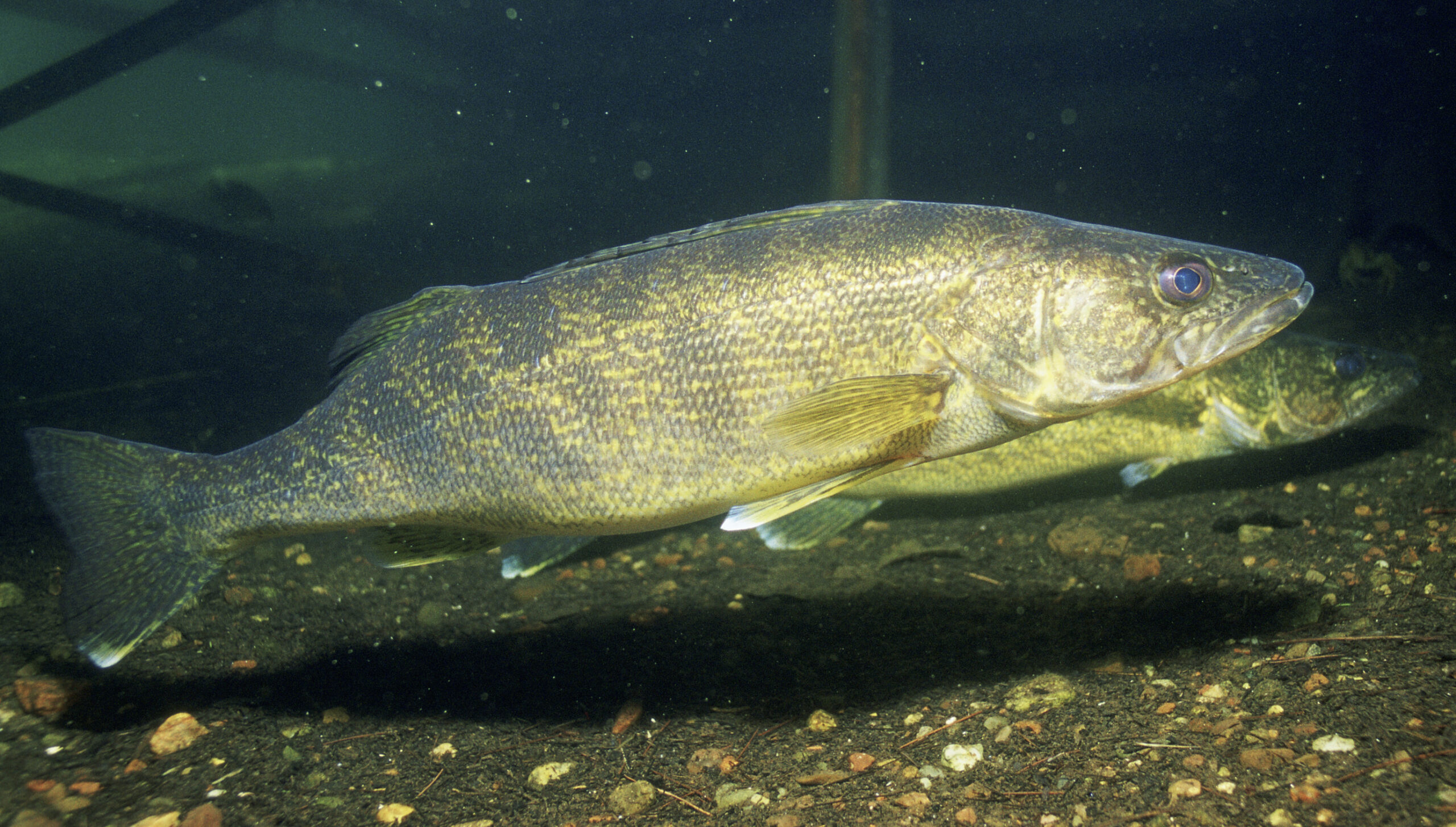
Post-spawn walleye smallmouth fishing is the hardest two weeks of the year to predict. Post-spawn walleye smallmouth fish are scattered, hungry, and uninterested in eating the same thing they ate in pre-spawn. This is the playbook for the next 14 days.
Post-spawn walleye and smallmouth in late May 2026 — water temperature decides the pattern
The post-spawn pattern is a function of water temperature, not date. The breakpoints are tight:
- 48–52°F: active spawn in the northern third of walleye range. Fish are on beds; sportsmanship and most state regulations say leave them alone.
- 52–58°F: active spawn for smallmouth. Walleye finishing in southern range, moving off beds.
- 58–62°F: post-spawn recovery window. Walleye scatter to first-break structure; smallmouth guarding fry.
- 62–68°F: post-spawn feed window. Both species are eating to recover weight lost in the spawn. This is the bite.
In May 2026, the Great Lakes reports as of May 9 had Lake Erie’s western basin at 57–61°F, Lake Ontario’s south shore at 54–58°F, and Lake Michigan’s Door County peninsula at 52–55°F. The walleye fishery is in the 58–62°F transition window across the southern Great Lakes and into the 62–68°F window in the inland reservoirs from Ohio south.
What that means: this weekend, the post-spawn walleye smallmouth bite is on.


Post-spawn walleye smallmouth: walleye on first-break structure
Post-spawn walleye smallmouth pattern: walleye move from spawning rivers and shallow shoreline gravel out to the first significant break. That break is usually a 12-to-18-foot drop near the spawning structure. Find the break, find the fish.
Late-May 2026 has reported limit catches across the Great Lakes shallow flats already — Fort Peck in Montana is producing walleye actively biting in shallow water with water temperatures climbing, and anglers are scoring with jigs, plastics, and crankbaits as the bite expands. The same pattern is repeating from Mille Lacs through Lake Winnebago and across the Great Lakes basin.
The three presentations that are working right now:
- 1/4-oz jig with a 3-inch swimbait or paddletail — the slow-fall meat-and-potatoes for cautious post-spawn fish. Drag it on the bottom of the first break. Pause for 3 seconds between hops.
- Slip-bobber with a leech — for the fish suspended over the break but not on the bottom. Run the bobber 12 to 18 inches off bottom and let the wind drift you.
- Lipless crankbait, slow retrieve — for the actively feeding fish in the 65°F+ water. Yo-yo it off the bottom.
Crawler harnesses come into play once water hits 65°F. Until then, jigs and bobbers are the high-percentage plays.
Post-spawn walleye smallmouth: smallmouth fry-guarding then rock-feed
Post-spawn walleye smallmouth pattern, stage one: smallmouth bass post-spawn is a two-stage pattern. Stage one is fry-guarding males protecting the bed. Stage two is the rock-and-current feed.
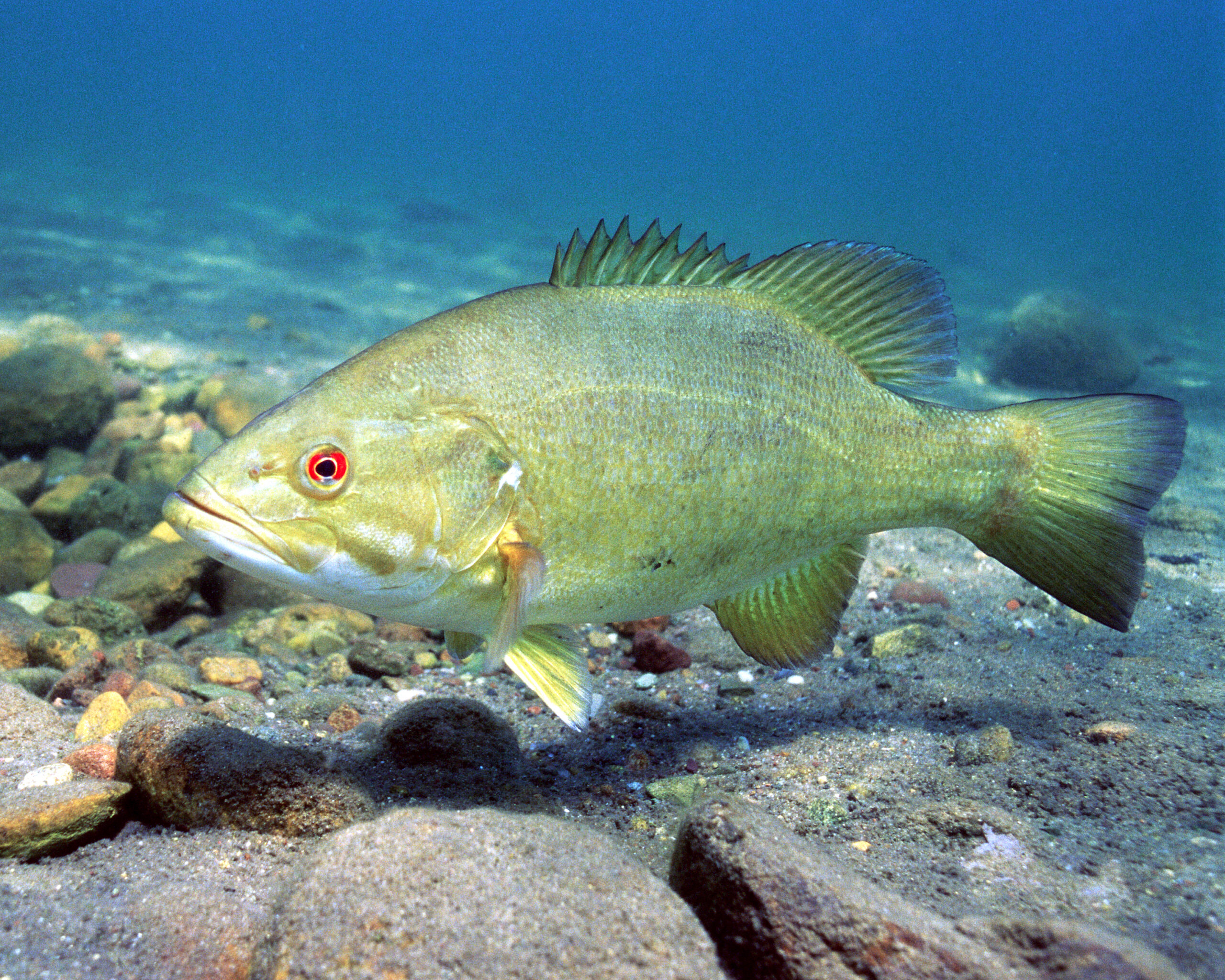
Stage one — fry guarding (water temperature 58–63°F):
The male smallmouth stays on or near the bed for 7 to 14 days after the spawn, guarding fry from predators. He is aggressive — and he is also catch-and-release sensitive. Most state regulations protect the bed during this window. Several Great Lakes states (Michigan, New York, Wisconsin) maintain season closures or harvest limits through Memorial Day or later for this exact reason. Check the local regulations before you cast.
If your state’s season is open and you are fishing fry-guarding males:
- Jig in white or chartreuse — imitates a panfish raiding the bed.
- Topwater popper — the territorial strike is the most exciting bite of the year.
- Tube bait dragged slowly — the classic. Works year after year.
Catch and release. Photograph fast. Return the fish to the same spot within 30 seconds.
Stage two — rock and current feed (water temperature 63–68°F):
Once the fry are mobile, the males abandon the bed and move to current breaks and rock structure to feed. This is the bite that pays off for the rest of the spring.
Where to find them:
- Current seams in rivers and Great Lakes tributary mouths.
- Rock points that drop into 8 to 12 feet of water.
- Wind-blown shorelines with baitfish pinned against rock.
What to throw:
- Drop-shot with a 4-inch finesse worm — when the fish are pressured or finicky.
- 3/8-oz football jig with a craw trailer — when they are aggressive.
- Suspending jerkbait — for the 65°F+ window when they are chasing baitfish.
Post-spawn walleye smallmouth late May 2026 — state-by-state where the bite is hot
As of the May 6–11, 2026 fishing reports:
- Lake Erie, Ohio + PA + NY: walleye limits hitting on the western basin reefs. Smallmouth season opens June 20 for most of NY; PA opens earlier.
- Lake Ontario, NY: salmon and trout derbies still active through May 10. Walleye starting to show in the bays.
- Mille Lacs / Leech / Cass, MN: walleye finishing spawn, moving to first breaks. Slot limits in force; check the DNR.
- Lake Winnebago, WI: walleye on the post-spawn drift. Stick to the lower Fox River mouth.
- Lake of the Woods, MN/ON: walleye limits on the south basin reefs. Border crossing requires advance fishing license for ON.
- Fort Peck Reservoir, MT: walleye actively biting in shallow water. Bring jigs and plastics.
- Indiana inland lakes: smallmouth fry-guarding window. Catch and release; observe seasons.
The post-spawn walleye smallmouth pattern reading: north of the 45th parallel, walleye and smallmouth are in the 58–62°F window. South of the 45th parallel, both species are entering the 62–68°F feed window.
Gear notes that matter in late May
A few small things separate the post-spawn walleye smallmouth boats that catch fish from the boats that do not:
- 6.5-foot medium spinning rod, 8-lb fluorocarbon — the walleye finesse jig setup that out-fishes everything in the post-spawn window.
- Polarized sunglasses, amber lens — for sight-fishing smallmouth on the rocks in 4 to 8 feet of water.
- Live-bait cooler with aerator — leeches and shiners outfish plastics on tough post-spawn days. Plan ahead; bait shops sell out by 9:00 a.m. on Saturdays.
For the angler also dialing in the safety side of late-spring water, the PO team’s Winter Fishing Safety: Ice, Cold Water & Abort Criteria carries through May — water temperatures under 60°F are still cold-water immersion territory, and the abort criteria framework applies the same way.
Post-spawn walleye and smallmouth late May 2026 — frequently asked questions
When does walleye season open in 2026?
Walleye season openers vary by state. Minnesota’s inland walleye opener was May 9, 2026. Wisconsin’s general inland walleye opener was May 2, 2026. The Great Lakes have year-round seasons with slot limits. Check the local DNR before you fish; openers shifted on several state regs in 2026.
What water temperature triggers smallmouth post-spawn feeding?
Smallmouth bass move out of fry-guarding mode and into active feeding when water temperatures hit 63 to 65°F. The transition takes 7 to 10 days. In the Great Lakes basin in late May 2026, that transition is happening this weekend in the southern lakes and rolling north through the first week of June.
Are leeches better than minnows for post-spawn walleye?
For finesse presentations in 58 to 65°F water, yes. Leeches outfish minnows in the post-spawn window by roughly 2-to-1 in side-by-side angler reports. As water warms past 65°F, the gap closes and crawlers become the dominant live bait.
Can I fish smallmouth during the fry-guarding period?
It depends on the state. Michigan, New York, and Wisconsin maintain season closures or harvest restrictions through Memorial Day or later specifically to protect spawning and fry-guarding smallmouth. Some states allow catch-and-release; some prohibit any fishing on identified spawning beds. Check the state regulation guide for the lake you are fishing.
What is the best lure for post-spawn walleye on Lake Erie?
For Lake Erie’s western basin in late May 2026 conditions, a 1/4-ounce jig with a chartreuse or pearl 3-inch swimbait, dragged on the first break in 12 to 18 feet of water, is the highest-percentage presentation. Slip-bobber with a leech is the backup when the fish are suspended.
Post-spawn walleye smallmouth — the one-line takeaway
The post-spawn walleye smallmouth fish is a recovery fish. Slow your retrieve, drop your jig weight, fish the first break, and pay attention to the thermometer — not the calendar.
Last updated: May 12, 2026. Byline: James Nicholas — Senior Editor, Popular Outdoorsman. Methodology: Water temperature ranges sourced from state DNR weekly fishing reports dated May 6–11, 2026. State-by-state bite reports cross-referenced from Outdoor News regional reports and state DNR fisheries pages. Images: USFWS / public domain via Wikimedia Commons.
Post-spawn fish feed on a schedule you can plan around. Our best fishing times calculator by ZIP code prints the major and minor feeding windows for the next seven days, along with how much prime light each morning and evening gives you.


Reader Favorites
Field-to-table reference desk
From tag to table — official season dates for all 50 states, plus safe doneness temps for your harvest.
| Species | Archery | Firearm |
|---|---|---|
| Deer | Sep–Oct | Nov |
| Elk | Sep | Oct–Nov |
| Turkey | — | Apr–May |
All 50 state wildlife agencies, plus how seasons, tags and licenses work.
Find your state → Network| Doneness | Target |
|---|---|
| Rare | 125–130°F |
| Medium-rare | 130–135°F |
| Well-done | 160°F+ |
Safe pull temps for venison and steak, from Popular BBQ.
View full chart →