Early-Season Archery Elk: Your Opening-Week Game Plan for 2026
An opening-week plan for early-season archery elk, when bulls are still in velvet on summer range and glassing beats calling most mornings.
Updated August 18, 2026

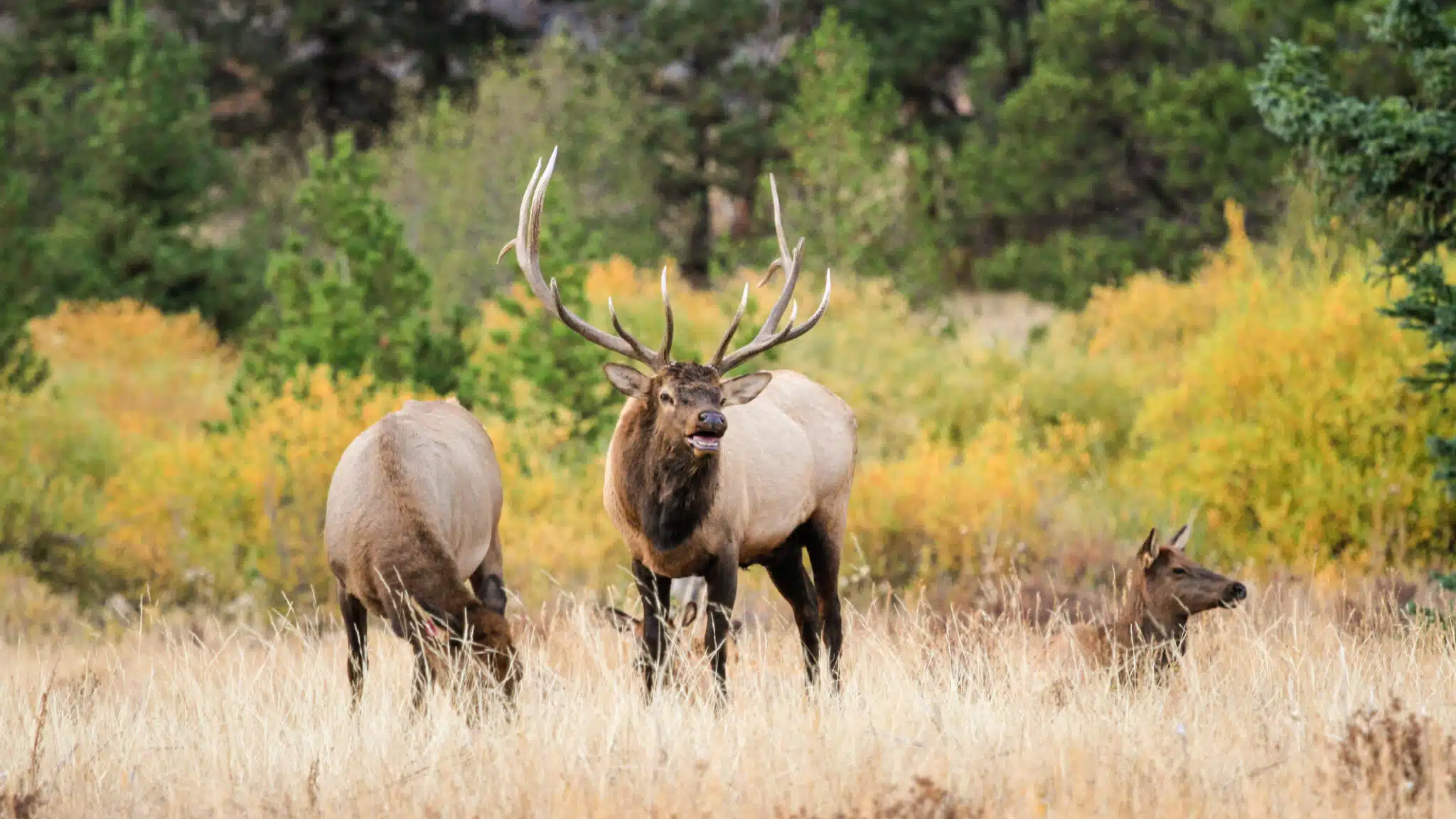
The first bull steps into the park at 6:04 a.m. He is still in velvet, still fat from a summer of alpine feed, and he has no idea you spent three July evenings watching this exact bench. Early-season archery elk hunting rewards that kind of patience. It is the window between the mid-August openers and the full rut when bulls stay on predictable summer patterns, feed in the open, and answer soft cow talk instead of a screaming bugle. I want you glassing, not calling, and here is why.
Utah opens its general archery elk season on August 15, 2026. Colorado, Idaho, Montana, and Wyoming follow over the next three weeks. If you drew a tag or picked up an over-the-counter license, the next month is the most glass-heavy, low-pressure hunting of the year. Here is how to spend it.
When the 2026 Openers Hit
Timing drives everything in the early season. Utah leads the pack with an August 15 general archery opener, per the Utah Division of Wildlife Resources. Colorado put its leftover and over-the-counter elk licenses on sale August 4, with archery seasons opening in early September, according to Colorado Parks and Wildlife. Idaho hunters face a tighter calendar: the second controlled-hunt application period closes August 15, and any leftover controlled tags go on sale August 25.
Two dates matter more than the rest. The first is your opener. The second is the day bulls strip velvet, which usually lands in the third week of August. Between those two points, you get the cleanest look at undisturbed elk you will have all fall.
Confirm Your Dates and Units First
Season structure shifts year to year. Idaho, for one, moved nonresident general deer and elk tags out of the first-come system and into a draw for 2026. Pull your state proclamation and confirm your unit before you burn a tank of gas. If you are still sorting units, my breakdown of how the Western draws shook out is a good place to start.
Read the Velvet: What Mid-August Tells You
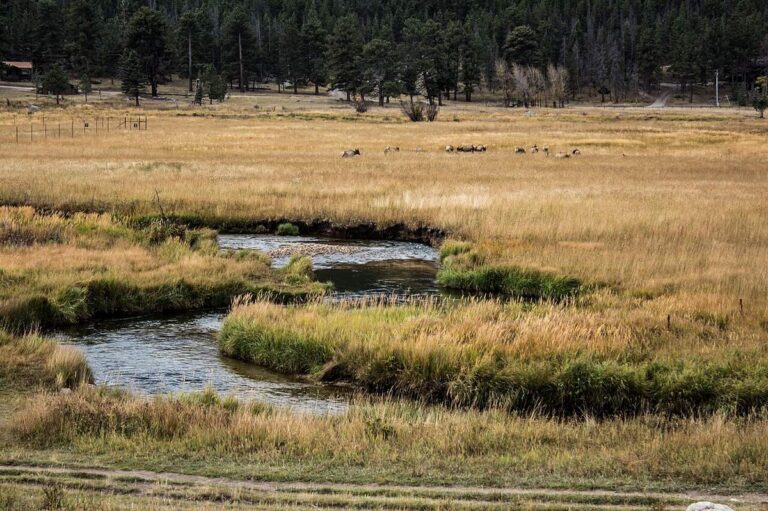
Bulls tell you where they are before they tell you anything else. In early August, mature bulls run in bachelor groups on north-facing subalpine parks, often above 9,000 feet where the feed stays green and the bugs stay light. They feed hard in the last 90 minutes of daylight and again at dawn. That habit is your opening.
Velvet is the calendar. When bulls carry full velvet, they hold summer patterns and move on food. When they start rubbing velvet in the third week of August, testosterone climbs and the same bull that fed in the open now drifts toward timber and wallows. Watch for the switch. A bull you glass on a green bench on August 14 may sit 400 yards downhill in the black timber by August 24.
Glass First, Walk Second
The single most productive early-season archery elk skill is glassing, not calling. Pre-rut bulls have not been pushed into cover yet, and they feed in daylight. A good vantage above summer feed can put three or four bulls in one evening session. Walking blind through that same basin busts them off the pattern for a week.
Set up before the light. Find a knob or two-track with a wide view of green feeding slopes, get behind a tripod, and grid the country in slow, overlapping passes. Watch the last 90 minutes hard, mark every animal, then back out without skylining yourself. Do it two evenings in a row and you will know where to be on the morning it counts. A rangefinder you can trust past 600 yards turns those observations into a real plan instead of a guess.
What to Look For Through the Glass
- Feeding slopes: green, north-facing benches between 8,500 and 10,000 feet.
- Bachelor groups: two to six bulls together signal undisturbed summer range.
- Fresh sign at wet spots: dark, churned mud at seeps hints that the wallow phase is close.
- Exit trails: where elk leave feed at dawn tells you where to intercept them.
Hunt the Wallow
Once bulls shed velvet, the wallow becomes the highest-odds early-season archery elk setup. A wallow is a wet, muddy depression where a bull rolls, urinates, and cools off as the rut builds. Prime wallow hunting runs from the last week of August into the first two weeks of September. Find one with fresh, dark mud and heavy tracks, hang a camera or check it on the wind, and sit it through the warm midday hours when bulls come to cool down.
Play the wind above all else. A wallow with the wrong thermal is a wallow you will hunt once. Approach from the downwind side, sit tight, and keep calling to a minimum. In the early season, a single soft cow mew does more than a bugle sequence that announces a rival before the bull is ready to fight. When you do want to talk, my guide to dialing in your elk calling covers the restraint the early season demands.
Gear That Earns Its Weight
Early-season elk country is warm, dry, and steep, and every ounce of your early-season archery elk kit rides on your back for miles. The list below covers what earns its place from the opener through the first cold front.
| Item | Why it matters early | Early-season note |
|---|---|---|
| Quality optics + tripod | Glassing beats walking in the pre-rut | Prioritize glass over everything |
| Rangefinder | Steep-angle shots need cut ranges | Angle compensation is not optional |
| Lightweight shelter | Warm nights, quick spike camps | Go light and mobile |
| Water filter + capacity | Dry country, long days | Plan four liters minimum |
| Cow call | Soft talk moves early bulls | Less is more |
A light backcountry shelter lets you camp close to the elk instead of driving in every morning and bumping them at the trailhead. Proximity is an advantage the truck cannot give you.
The First Cold Front Changes Everything
Watch the forecast like you watch the ridgeline. The first real cold front of late August or early September drops overnight lows, cools the timber, and flips bulls from summer feeding into serious rut behavior almost overnight. When that front rolls through, trade the glassing knob for the timber, get aggressive with calling, and hunt the wallows through midday. The same restraint that killed bulls in the velvet phase will cost you chances once the woods come alive.
Elk restoration and habitat work by groups like the Rocky Mountain Elk Foundation is a big reason these herds hold strong summer range at all. If you want to understand the country you are hunting, my look at elk habitat work connects the dots between conservation dollars and the bulls in your binoculars.
Your Opening-Week Checklist
Keep the plan simple. Basically, these are the habits that put hunters within bow range before the rut ever peaks.
- Confirm the opener and unit with your state agency before you travel.
- Scout from July into early August so you know where bulls live in velvet.
- Glass the last 90 minutes above green feeding slopes, two evenings running.
- Watch the velvet and pivot to wallows the week bulls start rubbing.
- Play the wind first on every wallow and every stalk, without exception.
- Track the forecast and go aggressive when the first cold front lands.
Once you tag out, the work moves off the mountain. BBQ’s wild game recipe roundup covers what to do with early-season elk that has not built up the fat of a late-rut bull, and Current Homesteading’s dehydrator guide is the fastest path to jerky if you are packing meat out over multiple trips.
Frequently Asked Questions
When does early-season archery elk hunting start in 2026?
Utah goes first, August 15, 2026, and most other Western states follow through late August and early September. Season structure and unit dates shift year to year, so confirm your exact opener with your state agency before you travel.
Are elk still in velvet during the archery opener?
Often. Bulls typically strip velvet in the third week of August, so an opener before that finds bulls on open summer feed, and an opener after it finds them drifting toward timber and wallows as the rut builds.
What is the best early-season elk tactic?
Glassing, by a mile. Pre-rut bulls feed in daylight and nobody has pushed them into cover yet, so a vantage above green feeding slopes in the last 90 minutes of light beats every other approach until the wallow phase opens up.
How do you hunt an elk wallow?
Find one with fresh, dark mud and heavy tracks, come in from the downwind side, and sit it through the warm midday hours when bulls show up to cool off. Keep the calling to almost nothing.
Do I need to call elk in the early season?
Less than you think. Before the rut peaks, one soft cow mew often does more than a whole bugle sequence. Save the loud, confrontational calling for the days after the first cold front.
Final Thoughts
The velvet bull on that 6 a.m. bench does not know the season opened. That is the whole edge of the early season, and it lasts only until the first cold front tells him otherwise.
Reader Favorites
Field-to-table reference desk
From tag to table — official season dates for all 50 states, plus safe doneness temps for your harvest.
| Species | Archery | Firearm |
|---|---|---|
| Deer | Sep–Oct | Nov |
| Elk | Sep | Oct–Nov |
| Turkey | — | Apr–May |
All 50 state wildlife agencies, plus how seasons, tags and licenses work.
Find your state → Network| Doneness | Target |
|---|---|
| Rare | 125–130°F |
| Medium-rare | 130–135°F |
| Well-done | 160°F+ |
Safe pull temps for venison and steak, from Popular BBQ.
View full chart →