Dove Season 2026: The Hunt That Actually Starts Hunting Season
Opening day is a party. The rest of dove season is the hunt.
September 1 is the earliest the feds will let a state open dove season, and most of the country takes them up on it. This year that date landed on a Tuesday, so a lot of states held the real circus for the first Saturday. Either way, the fields are already full of empty hulls, half-frozen water bottles, and the same argument that has been happening since your granddad was a kid: you shot behind that one. That is the point. Dove season is the country’s most honest wingshoot. No draw tag. No pack-in. No two-hour sit in the dark waiting for a gobble that never comes. You find a field the birds are using, you sit still, and a 4-ounce gray rocket tries to make you look silly at 40 miles an hour.
It also happens to be the best first hunt of the year. Kids can talk. Dogs can work. Somebody can run a grill behind the truck. And if you miss, you get another chance in about 90 seconds.

Why the opener still matters
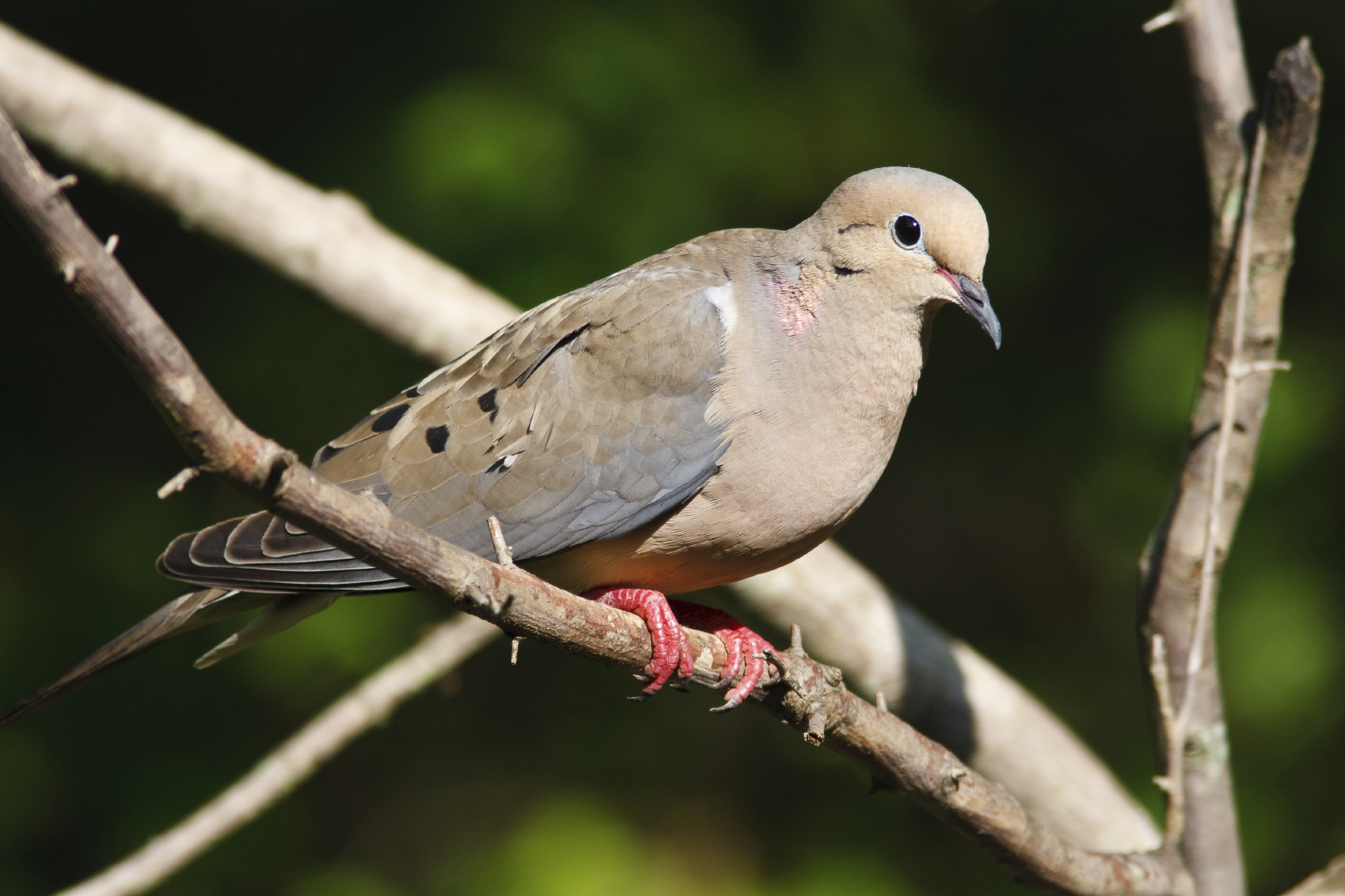
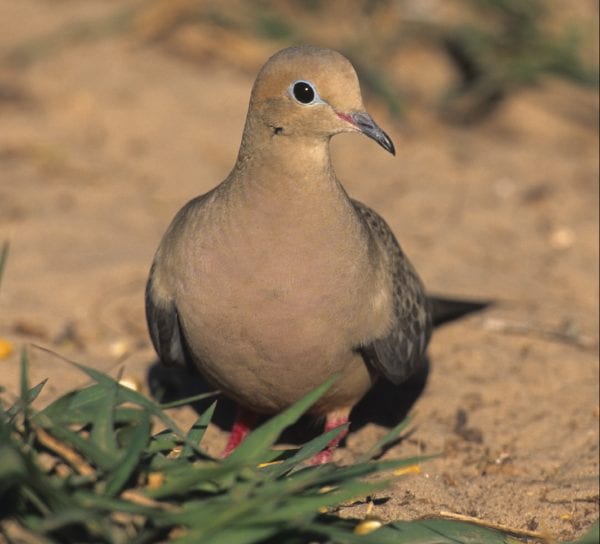
Mourning doves are the most hunted migratory game bird in America for a reason. There are a lot of them, they eat seeds, and they fly the same grocery route every day if nobody has educated them yet. Food, water, grit, roost. That is the whole map. Find two of those close together and you have a hunt. Find all four and you have a limit, or at least a good story about why you do not.
So yes, go opening weekend. Take the new hunter. Burn a box you will pretend you did not burn. Then come back on a Wednesday in mid-September when the field is empty and the afternoon flight still has a job to do.
How the season is actually built
The numbers most hunters actually need:
- Daily bag: 15 in most states (of course check your states regulations)
- Possession: usually 45 (three times the daily bag)
- Hours: half-hour before sunrise to sunset, except some public fields and some opening days that start at noon
- Paperwork: a hunting license plus HIP certification. HIP is the short survey that tells biologists who is hunting migratory birds. It is free or nearly free and takes two minutes. If you hunt doves, you need it.
A few 2026 notes worth knowing before you drive:
- Texas opened all three zones on September 1 this year, including the South Zone, which used to wait until mid-month. Daily bag is 15 in the aggregate, with no more than two white-tipped doves.
- Alabama North Zone opened September 5 with noon-to-sunset hours on opening day. South Zone waits until September 12, same noon start.
- Georgia held for the Saturday opener on September 5.
- Florida does not play the September 1 game. First segment starts September 26.
Zone lines, noon starts, and second-split dates move. Check your state wildlife site before you load the cooler. That is the whole legal education. Everything else is field craft.
The field is the hunt
Dove hunting is not a woods hunt. It is a traffic hunt. Birds commute. Your job is to sit on the road.
Set up on the flight line, not in the middle of the grocery store. Birds want an easy in and an easy out. Fence corners, lone trees, pivot pads, and the gap in a tree line are the seats that fill a vest. Sit with the sun at your back if you can. Doves flare at shine and movement more than they flare at your brand of camo.One spinning-wing decoy 20 yards out, a couple clip-ons on a dead limb, and you are in business.
More decoys than that is just more stuff to pack out when the heat wins. And the heat will try to win. September fields are still August fields with a hunting license. Water, shade, and a stool matter more than a third box of shells. We already ran the full kit in Dove Hunting Gear 2026. The short version: swing fast, choke open, No. 7.5 or 8, plug in the gun, drink more water than you think.
Early season, mid season, late season
The birds do not read the proclamation. They read the grain cart.
Early season is standing or just-cut sunflower, wheat stubble, millet, silage corn, and any dirty field edge with seed still on the ground. Singles and small groups. Close shots. Improved cylinder. This is the social hunt.
Mid season is when the easy food is gone and the combines have moved. Winter wheat, harvested corn, milo, and waterholes start to matter more than the original sunflower patch. Birds get wary. They still come. They just come higher and later.
Late season is concentration. Cold fronts push migrants south. Flocks get bigger. Flight lines get tighter. Modified choke earns its keep. A December dove hunt in a picked cornfield can feel more like a serious bird hunt than the opener ever did, and half the county has already hung it up. That is free real estate.
If you drop a bird, open the crop. Whatever is in there is the menu. Hunt that food plot
The shooting, without the clinic
A dove crossing at 30-plus miles an hour gives you about two seconds. Stopping the swing is how most limits stay in the air. See daylight ahead of the beak. Keep the barrel moving after the shot.
Take the close ones. Pass on the 50-yard hero bird unless you like picking feathers out of next year’s sunflower. Mark every bird down. A good dog turns a messy field into a clean one. If you do not have a dog, take a buddy who does, or walk your hits immediately. A gray bird in gray stubble disappears faster than your pride.
Pump and semi-auto shotguns stay plugged to three shells for migratory birds. Wardens check that and if they catch you, it will be a healthy fine.
Dove is not “tiny chicken.” It is dark, rich, and gone in two bites if you cook it like a hockey puck. Breast them in the field if it is hot. Get them on ice. Tonight they become poppers, fajitas, or a skillet with garlic and butter. Tomorrow they become the reason you bought another box of shells.
Look for bands. If you find one, report it. That little aluminum ring is how the same HIP program you grumbled about at the license counter actually learns something.
Then go again. The opener gets the photos. The second week gets the birds.
Dove season FAQ
When does dove season start?
September 1 is the earliest legal date. A lot of states open that day. Others wait for the first Saturday, and a few like Florida is the loud example that start later. Confirm your zone.
Do I need a duck stamp?
Not for doves. You need a hunting license and HIP. Some states add a migratory-bird endorsement. That is it.
Can I hunt the same field all season?
You can try. The birds will vote with their wings. Scout again after a weather change or a harvest.
Is it a good first hunt for a kid?
It is the best one most families have. Daylight, conversation, and a target that keeps coming. Eye and ear protection are not optional. Neither is water.
Dove season is not complicated. That is why it lasts. Find the flight line, sit still, swing through, and leave the field better than the argument you had about who shot behind. The deer woods can wait a month. The doves will not.
Reader Favorites
- NRA To Reincorporate In Texas
- 1000-Round Torture Test: SIG P365, Action Target & CrossBreed Holsters
- When Teens Poach: Illinois/Indiana Shock Arrest
- In the Hunt Season 4 Original Video Series – Aaron Returns to the Ranch
- EXTRA! EXTRA! Extraordinary Everyday Carry II $7.5K Guns & Gear Giveaway Ends TOMORROW
- We Can’t Stop Here; This is Bat Country
Field-to-table reference desk
From tag to table — official season dates for all 50 states, plus safe doneness temps for your harvest.
| Species | Archery | Firearm |
|---|---|---|
| Deer | Sep–Oct | Nov |
| Elk | Sep | Oct–Nov |
| Turkey | — | Apr–May |
All 50 state wildlife agencies, plus how seasons, tags and licenses work.
Find your state → Network| Doneness | Target |
|---|---|
| Rare | 125–130°F |
| Medium-rare | 130–135°F |
| Well-done | 160°F+ |
Safe pull temps for venison and steak, from Popular BBQ.
View full chart →